
How OEM Buyers Choose the Right Bedside Table Design: A Product Development Guide
A practical guide for furniture brands and OEM buyers to choose the right bedside table design, covering structure, materials, functions, sampling and production considerations.
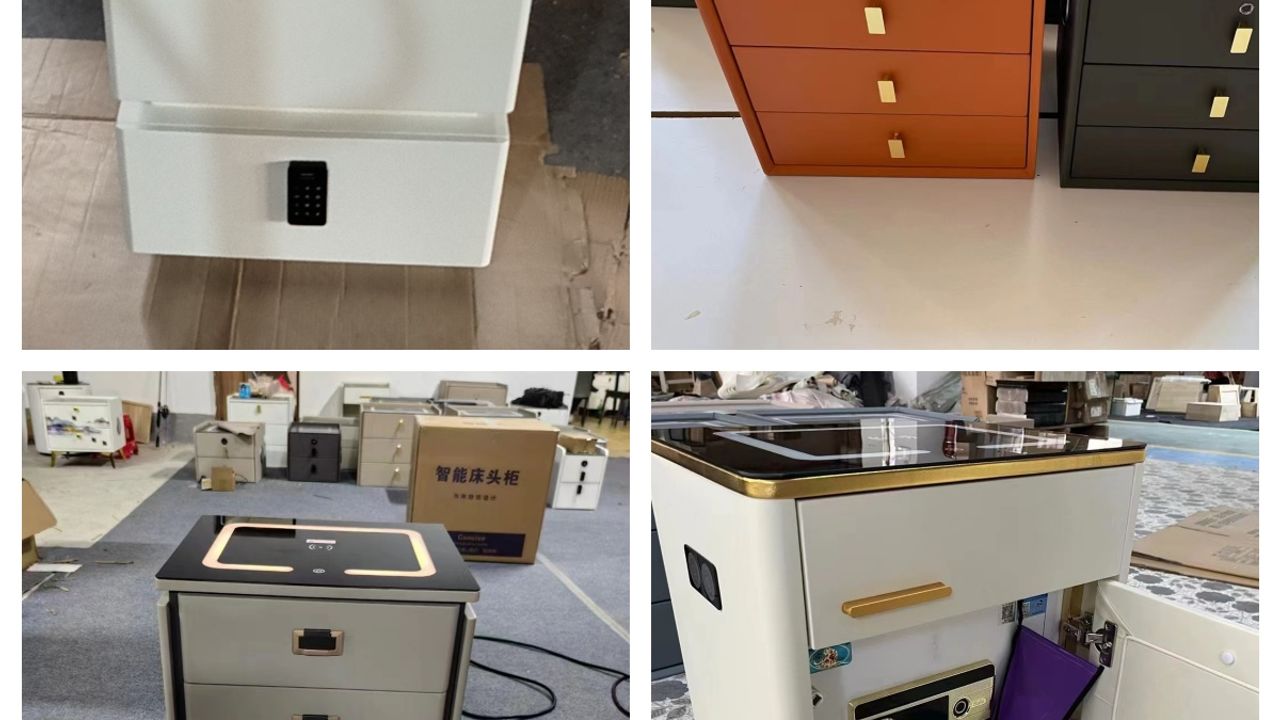
How OEM Buyers Choose the Right Bedside Table Design: A Product Development Guide
Introduction: A Good Bedside Table Design Starts With the Right Decisions
When buyers develop a new bedside table collection, the first challenge is usually not production. It is deciding what kind of product should be made.
Many OEM projects start from a simple idea:
A customer wants a new nightstand style, a retailer wants to expand its bedroom furniture range, or a brand sees a market opportunity and wants to create a different product.
However, turning an idea into a sellable product requires more consideration than appearance.
A bedside table design needs to match the target market, production requirements, and expected price level. A design that looks attractive in a picture may become difficult to produce, too expensive, or unsuitable for the end customer.
During actual OEM projects, buyers usually need to consider several questions:
Who is the target customer?
What type of bedroom environment will the product be used in?
What materials and structures are suitable?
Which functions are valuable to customers?
Can the design be produced consistently in larger quantities?
A well-planned design reduces problems during sampling and mass production. It also helps manufacturers provide better suggestions before production starts.
Understand the Target Market Before Developing a Bedside Table Design
A bedside table should be designed according to where and how it will be sold.
A product developed for an online furniture store may have different requirements from a hotel project or a premium bedroom furniture collection.
For brands planning to develop their own bedside table collection, understanding the private label development process can help reduce product development risks.
👉 private label bedside table development
Retail Furniture Market
Retail buyers usually focus on product appearance and market acceptance.
Customers often make purchasing decisions based on:
Design style
Color and finish
Storage function
Price level
For this market, the design needs to look attractive while remaining practical for production.
Common choices include:
Modern simple structures
Popular finishes
Functional storage
Easy-to-understand features
A design that is too complicated may increase manufacturing cost without creating enough additional value.
Hotel and Contract Projects
Hotel bedside tables have different priorities.
In hospitality projects, buyers usually pay more attention to:
Durability
Easy maintenance
Stable quality
Consistent appearance
A bedside table used in a hotel room may be opened, moved, and cleaned much more frequently than a home product.
Therefore, the design should consider:
Strong structure
Reliable hardware
Practical storage
Long-term use
E-commerce Furniture Products
For online sellers, product development involves both furniture design and logistics.
Important factors include:
Package size
Shipping cost
Assembly requirements
Customer installation experience
A well-designed product should not only look good but also be suitable for international transportation.
Premium Furniture Collections
Premium brands usually look for more differentiation.
Their requirements may include:
Unique appearance
Higher-grade materials
Special finishing
Customized details
In this segment, the design itself becomes part of the brand image.
After defining the product direction, choosing an experienced OEM bedside table manufacturer is the next step to turn the design concept into a production-ready product.
👉 OEM bedside table manufacturer
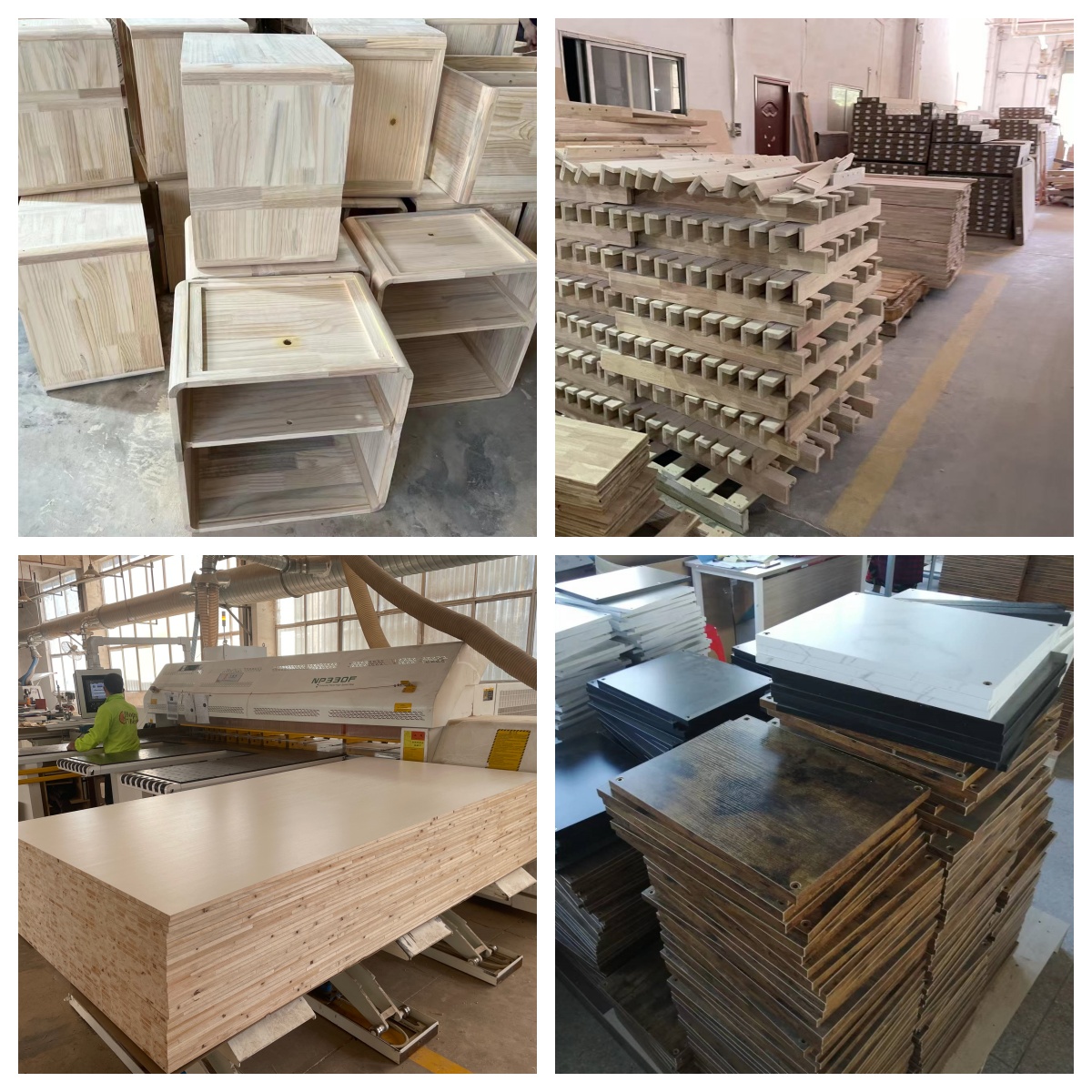
Choose the Right Structure and Storage Design
After defining the market, buyers need to decide the product structure.
The structure affects not only appearance but also production difficulty and customer experience.
Drawer and Storage Configuration
Different customers have different storage expectations.
Single Drawer Design
Suitable for:
Minimalist styles
Compact bedroom furniture
Simple retail products
Advantages:
Clean appearance
Lower production complexity
Multiple Drawer Design
Suitable for customers who need more storage.
Advantages:
More practical use
Higher product value perception
However, additional drawers also increase:
Hardware requirements
Assembly work
Production cost
Open Shelf Design
Open storage creates a different visual style.
It is often used for:
Modern designs
Decorative products
Easy-access storage
Product Dimensions and Proportion
Size is another important design decision.
OEM buyers usually consider:
Bed height
Bedroom size
Customer habits
Shipping requirements
For example, apartment furniture may require a narrower bedside table, while luxury bedroom collections may use larger designs with more storage.
The ideal dimension depends on the market, not simply on a standard size.
Balance Design Ideas With Manufacturing Reality
One common issue in OEM development is the difference between a concept and a production-ready product.
A design may look excellent but create challenges during manufacturing.
Consider Production Complexity
Before finalizing a design, buyers should discuss:
Production steps
Material processing
Assembly method
Quality control difficulty
Small design changes can sometimes make a large difference.
For example, adjusting a structure slightly may improve production efficiency while keeping the original appearance.
Experienced manufacturers often provide suggestions based on previous projects.
Hardware Selection Matters
Hardware is a small part of a bedside table, but it directly affects user experience.
Important components include:
Drawer runners
Hinges
Handles
Connection fittings
The selected hardware should match:
Product positioning
Expected usage frequency
Target price
Think About Mass Production From the Beginning
A sample is only the first step.
The final product needs to be produced hundreds or thousands of times with consistent quality.
Before production, buyers should confirm:
Whether materials are available
Whether the structure is stable
Whether workers can assemble efficiently
Whether quality can be controlled
Choosing the right packaging solution starts with choosing an experienced OEM partner. A professional bedside table manufacturer should understand not only production, but also product development, quality control, packaging and international shipping requirements.
👉 OEM bedside table manufacturer in China
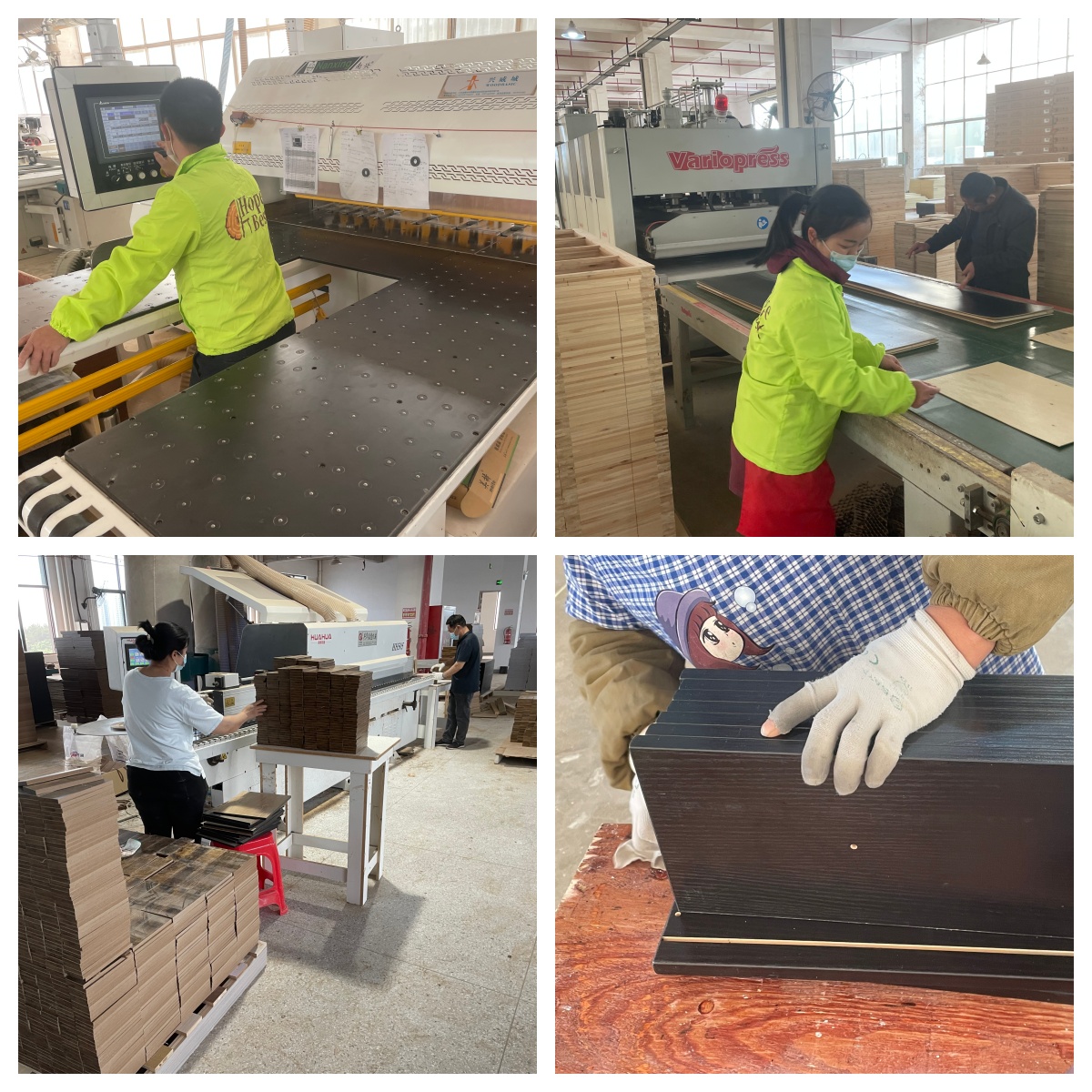
Select Materials According to Product Positioning
Material selection is not only about appearance. It also affects cost, durability, and production method.
MDF
MDF is commonly used for painted bedside tables.
It is often selected because of:
Smooth surface
Stable processing
Cost efficiency
It is suitable for many modern retail designs.
Plywood
Plywood is often considered when stronger construction is required.
It is commonly used for:
Commercial furniture
Hotel projects
Products requiring better structural strength
Solid Wood
Solid wood is usually used for premium collections.
It provides:
Natural appearance
Unique grain
Higher product value
Veneer
Veneer provides a real wood appearance while maintaining more consistent production.
It is often used when buyers want a balance between appearance and manufacturing efficiency.
Consider Smart Functions Carefully
Smart bedside tables have become a growing product category.
Many brands are adding:
Wireless charging
USB ports
Type-C charging
LED lighting
Bluetooth speakers
Fingerprint locks
However, smart features should be selected according to customer demand.
During product development, buyers need to consider:
Internal space
Cable arrangement
Component installation
Safety requirements
Adding more functions does not always create a better product. The key is whether the functions solve real customer needs.
For example, a hotel project may value charging convenience, while a retail brand may focus more on appearance and price.
Develop Samples Before Mass Production
Sample approval is one of the most important steps in OEM bedside table development.
Before bulk production, buyers should check whether the actual product matches the original idea.
Design Confirmation
Before making samples, confirm:
Product dimensions
Materials
Colors
Hardware
Functions
Clear communication helps avoid unnecessary modifications later.
Sample Checking
During sample evaluation, buyers usually check:
Overall appearance
Structure stability
Surface quality
Drawer operation
Function performance
Final Adjustment
Based on sample feedback, manufacturers may adjust:
Structure
Hardware
Production method
Product details
After sample approval, the product can move into mass production.
A clear development process helps buyers reduce risks before mass production, from initial design review to final sample approval.
👉 smart nightstand OEM solutions

Common Mistakes When Choosing a Bedside Table Design
Choosing Appearance Without Considering Production
A visually attractive design may not always be practical for manufacturing.
Possible problems include:
Higher cost
Difficult assembly
Quality inconsistency
Adding Functions Without Clear Purpose
More features can increase:
Product cost
Production complexity
After-sales requirements
Functions should match customer expectations.
Ignoring Packaging and Transportation
For international buyers, packaging should be considered during design.
Product size and structure affect:
Shipping cost
Container loading
Damage risk
Skipping Sample Approval
Moving directly into production without checking samples may lead to:
Incorrect details
Different appearance
Customer complaints
Choosing a Supplier Without Bedside Table Experience
A supplier may produce furniture, but that does not always mean they understand bedside table development.
Experience with bedside tables helps with:
Structure improvement
Material recommendations
Production solutions
Function integration
Questions OEM Buyers Should Discuss Before Development
Before starting a new bedside table project, buyers should discuss:
Is this design suitable for the target market?
The design should match customer expectations and price positioning.
Can this design be produced efficiently?
The manufacturer should evaluate:
Structure
Materials
Production process
Which material is suitable for this product?
Material selection should balance:
Appearance
Cost
Durability
Can the design support future changes?
A flexible design makes future updates easier.
Can samples be provided before bulk production?
Sample approval helps both sides confirm the final product.
After defining the product direction, choosing an experienced OEM bedside table manufacturer is the next step to turn the design concept into a production-ready product.
👉 OEM bedside table production process
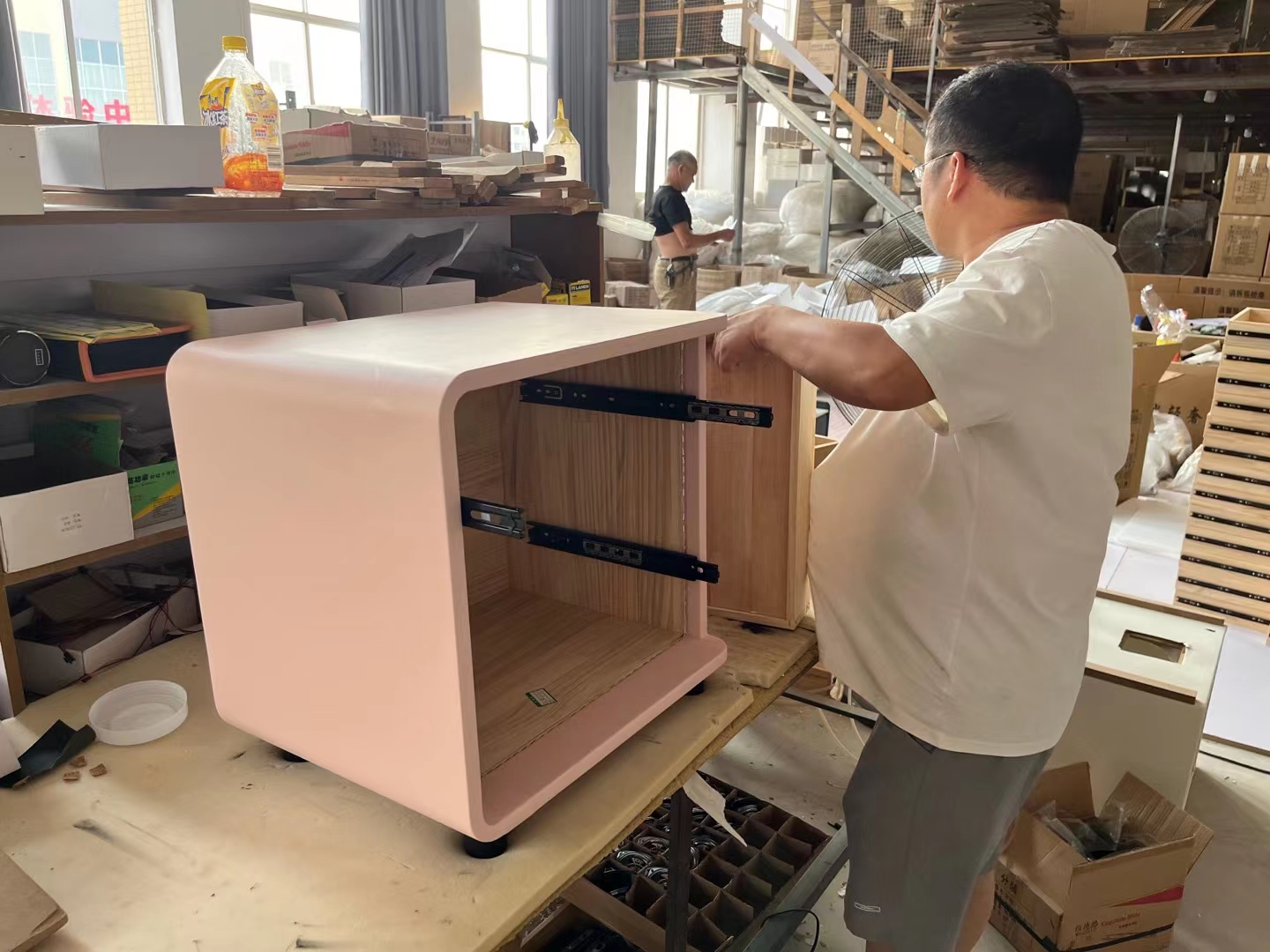
Why Work With an Experienced Bedside Table OEM Manufacturer?
A successful bedside table project requires cooperation between design ideas and manufacturing experience.
An experienced OEM manufacturer can help buyers evaluate:
Product structure
Material selection
Production feasibility
Custom requirements
Manufacturing details
Hebai Furniture focuses on bedside table OEM manufacturing and supports overseas buyers with customized nightstands, smart bedside table projects, and production solutions.
From the first product concept to final production, the right manufacturing partner can help reduce development risks and create products that fit the target market.
Packaging is also closely related to importing costs, customs planning and total landed cost. Buyers who are sourcing bedside tables internationally should consider the complete import process before placing large orders.
👉 import bedside tables from China guide
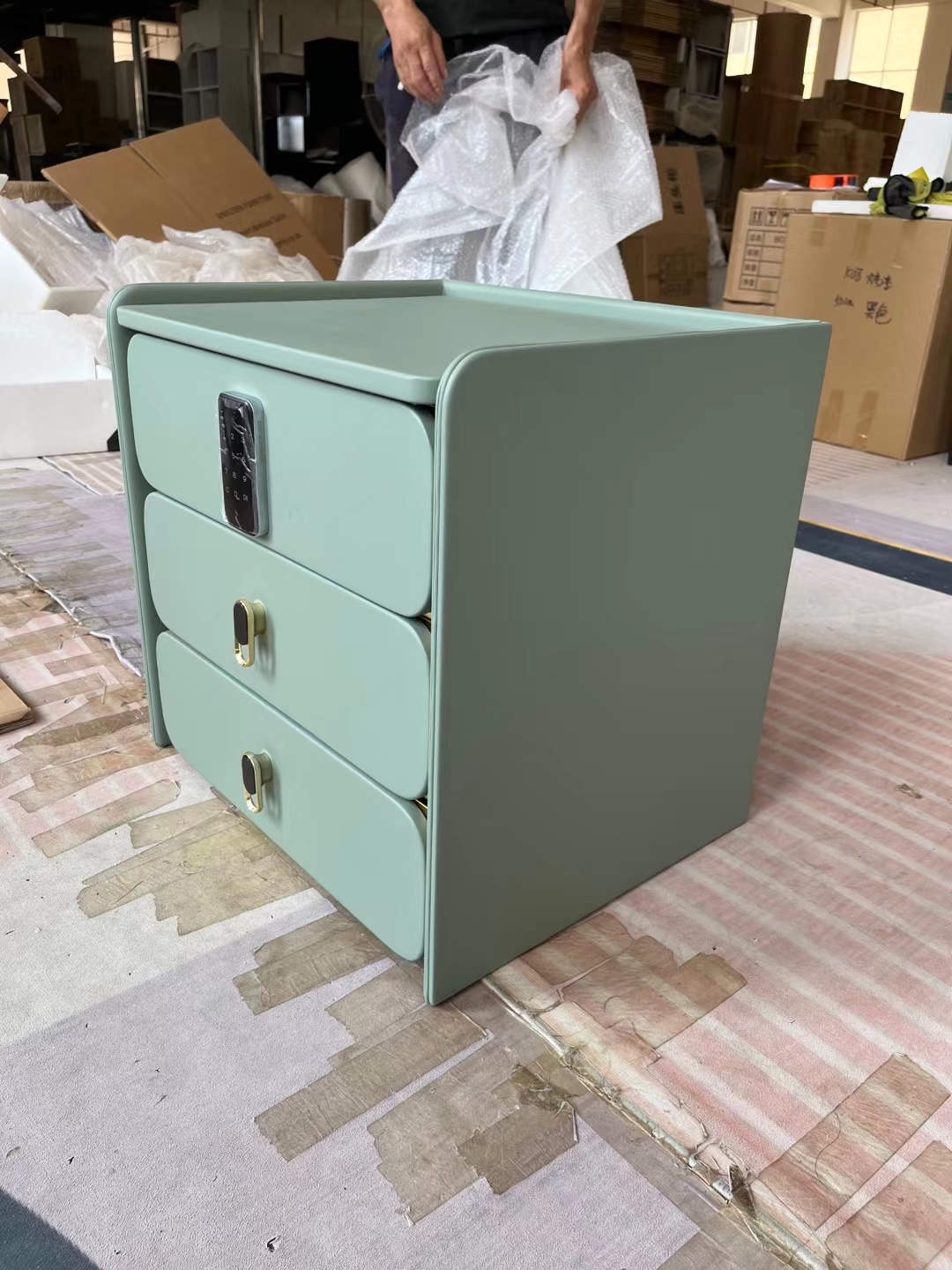
Conclusion: The Right Design Makes Better OEM Products
For OEM buyers, choosing a bedside table design is not simply selecting a style.
A good design needs to balance:
Customer needs
Product positioning
Manufacturing feasibility
Cost control
Long-term market performance
By evaluating these factors before production, buyers can develop bedside tables that are easier to manufacture, more suitable for customers, and more competitive in the market.
Start Your OEM Bedside Table Project
Tell us your product requirements, target market and order quantity. Our team will help evaluate product design, packaging method and export solution.
👉 Send Your Project Requirements
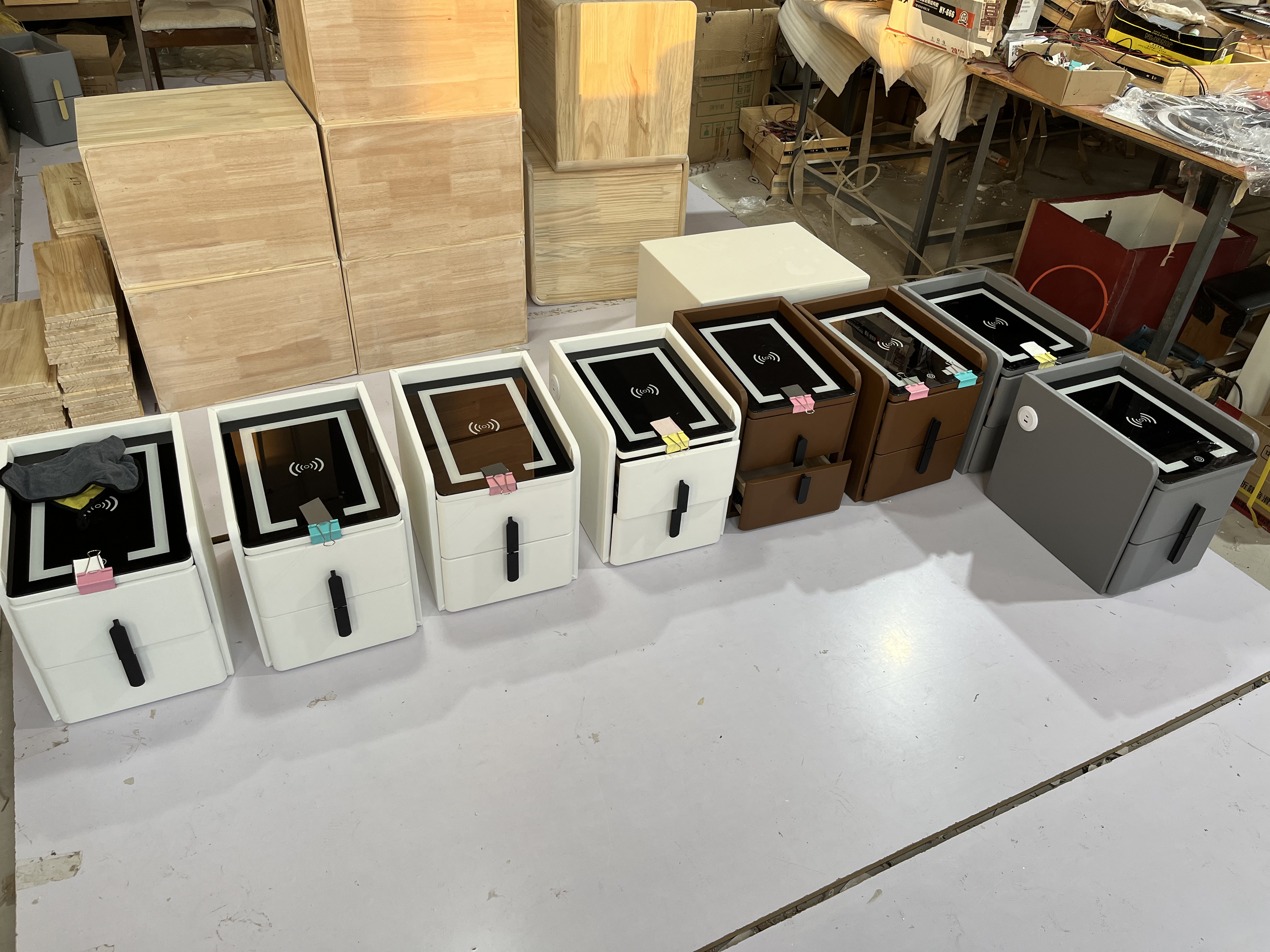
FAQ: OEM Bedside Table Design Guide
1. What should OEM buyers consider when choosing a bedside table design?
OEM buyers usually start with the target market, product positioning, and production feasibility when choosing a bedside table design.
A bedside table design may look attractive, but it also needs to match the customer group, expected price level, and manufacturing requirements.
Before development, buyers normally consider:
Who will buy the product
Where the product will be sold
What functions customers need
Whether the design can be produced consistently
A good OEM design balances market demand and production reality.
2. How do furniture brands decide what type of bedside table to develop?
Furniture brands usually decide bedside table designs based on their customers, sales channels, and product positioning.
For example:
Retail brands may focus on appearance, trend, and price.
Hotel buyers usually pay more attention to durability, easy maintenance, and stable quality.
Online furniture sellers often consider packaging size, shipping cost, and customer assembly experience.
The right design depends on the market the product is intended for.
3. What makes a bedside table design suitable for OEM production?
A bedside table design is suitable for OEM production when it can achieve the required appearance while maintaining stable manufacturing.
During product development, manufacturers usually review:
Structure
Material availability
Assembly method
Hardware selection
Production difficulty
Some design changes may look small but can greatly improve production efficiency and quality consistency.
4. How can buyers check if a bedside table design is practical for mass production?
Buyers can evaluate mass production feasibility by discussing the design details with the manufacturer before making samples.
Important points include:
Whether the structure is stable
Whether materials are suitable
Whether the production process is reasonable
Whether quality can be maintained in bulk orders
A design that works for one sample may still need adjustments before large-scale production.
5. Should buyers focus more on design appearance or manufacturing cost?
OEM buyers need to balance product appearance, customer value, and manufacturing cost.
A highly complicated design may attract attention but increase production difficulty and cost.
In many projects, manufacturers help buyers adjust details such as structure, materials, or components to keep the original design idea while making production more practical.
6. What bedside table structures are commonly used for OEM projects?
Common bedside table structures include drawer designs, open storage designs, and combinations of both.
Different structures suit different markets:
Single drawer designs are often used for simple and modern products.
Multiple drawer designs provide more storage space.
Open shelf designs create a lighter visual appearance.
The choice depends on the target customer and product positioning.
7. How important is sample approval for OEM bedside table projects?
Sample approval is one of the key steps before starting mass production.
A sample allows buyers to check:
Product dimensions
Appearance details
Material finishing
Hardware performance
Functional features
For OEM projects, the approved sample usually becomes the reference standard for bulk production.
8. Can OEM buyers customize bedside table designs?
Yes. OEM buyers can customize bedside tables based on their product requirements.
Common customization areas include:
Product size
Drawer configuration
Surface finish
Materials
Hardware
Additional functions
Many buyers start with reference pictures or existing market products, then work with the manufacturer to adjust the design for production.
Start Your OEM Bedside Table Project
Whether you are sourcing standard bedside tables, smart nightstands or custom hotel furniture, our team can help with product development, sampling, production and export logistics.
✔ OEM & ODM Service
✔ Smart Nightstand Solutions
✔ Low MOQ Available
✔ Sample Support
✔ Export Experience
👉 Get OEM Quote Within 24 Hours
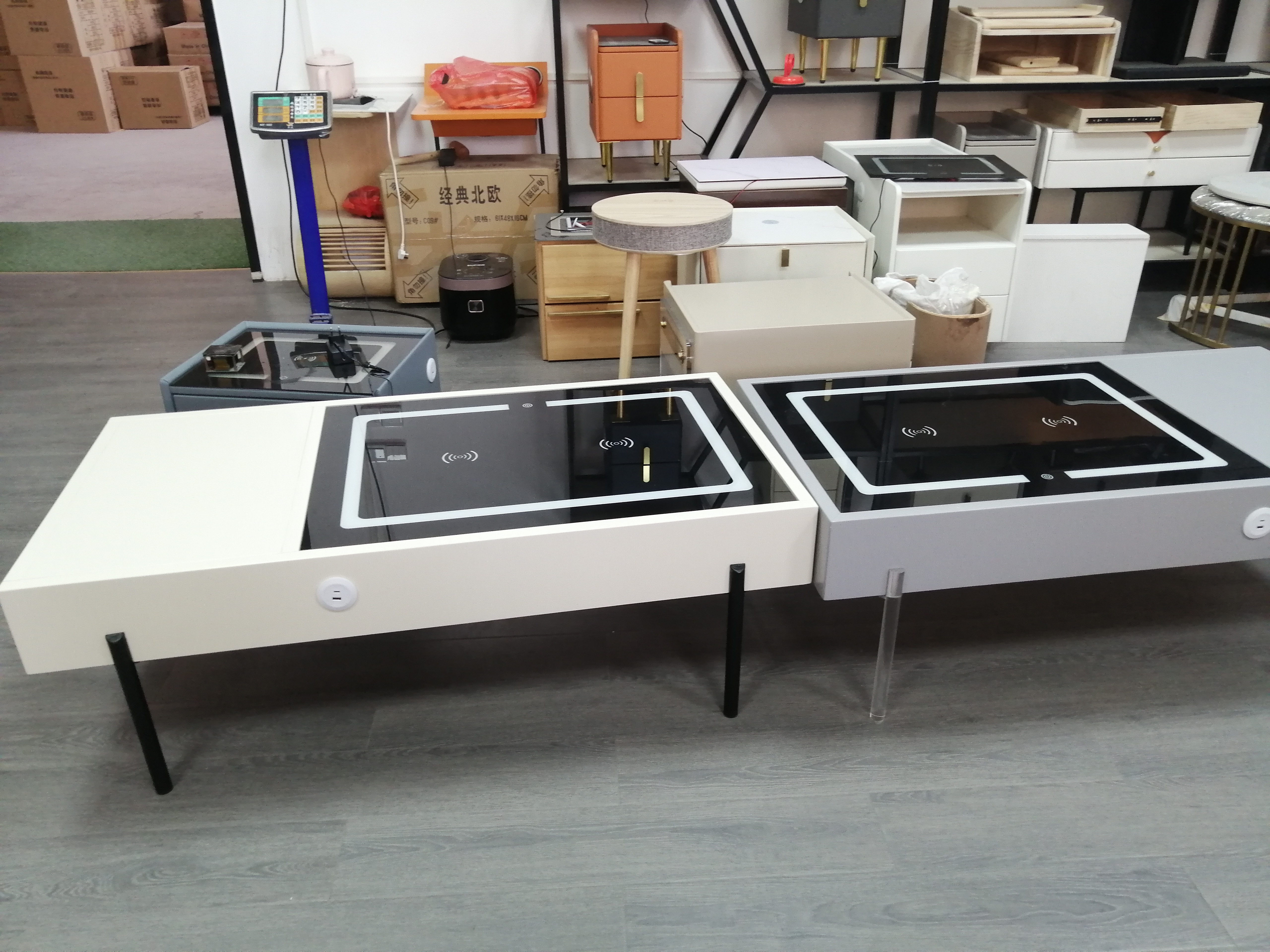
9. How does material selection affect bedside table design?
Material selection affects the appearance, cost, durability, and manufacturing process of a bedside table.
For example:
MDF is commonly used for painted products with controlled cost requirements.
Plywood is often selected when stronger structures are needed.
Solid wood is usually chosen for premium collections.
Veneer can provide a natural wood appearance with more consistent production.
The suitable material depends on the product position and target market.
10. What should buyers consider when adding smart functions to bedside tables?
Smart functions should be selected according to customer needs and product positioning.
Common options include:
Wireless charging
USB or Type-C charging
LED lighting
Bluetooth speakers
Fingerprint locks
Before adding these functions, buyers should discuss:
Internal space requirements
Wiring arrangement
Component installation
Product safety
Smart features need to work together with the furniture structure.
11. What are common mistakes when developing OEM bedside tables?
Common mistakes include choosing designs without considering production requirements, adding unnecessary functions, and skipping sample confirmation.
Other problems may include:
A design that is difficult to manufacture
Materials that do not match the target market
Insufficient testing before bulk production
Early communication with the manufacturer can help avoid these issues.
12. How can a manufacturer help improve a bedside table design?
An experienced manufacturer can help improve a bedside table design by providing production experience and practical suggestions.
During development, manufacturers may help with:
Structure adjustments
Material recommendations
Function integration
Production methods
Cost optimization
This cooperation helps turn an initial idea into a product that can be manufactured reliably.
13. What information should buyers provide before developing a custom bedside table?
Buyers should provide basic product requirements before starting a custom bedside table project.
Useful information includes:
Product images or drawings
Target size
Expected quantity
Market position
Required functions
Material preference
Clear information helps the manufacturer provide more accurate suggestions.
14. How long does it take to develop an OEM bedside table design?
The development time depends on the complexity of the product and the level of customization required.
A typical process includes:
Product discussion
Design confirmation
Sample production
Sample approval
Bulk production preparation
Simple modifications usually require less time than completely new designs.
15. How should buyers evaluate a bedside table OEM manufacturer?
Buyers should evaluate a manufacturer based on product experience, customization ability, and production capability.
Useful evaluation points include:
Experience with bedside tables
Previous OEM projects
Sample development ability
Quality control process
Communication efficiency
A supplier with specific bedside table experience can usually provide more practical solutions during product development.
Developing a Smart Nightstand Project?
Smart furniture requires both manufacturing experience and electronic protection planning. Our team can help evaluate packaging requirements for wireless charging, LED and smart functions.
👉 Discuss Smart Furniture Project