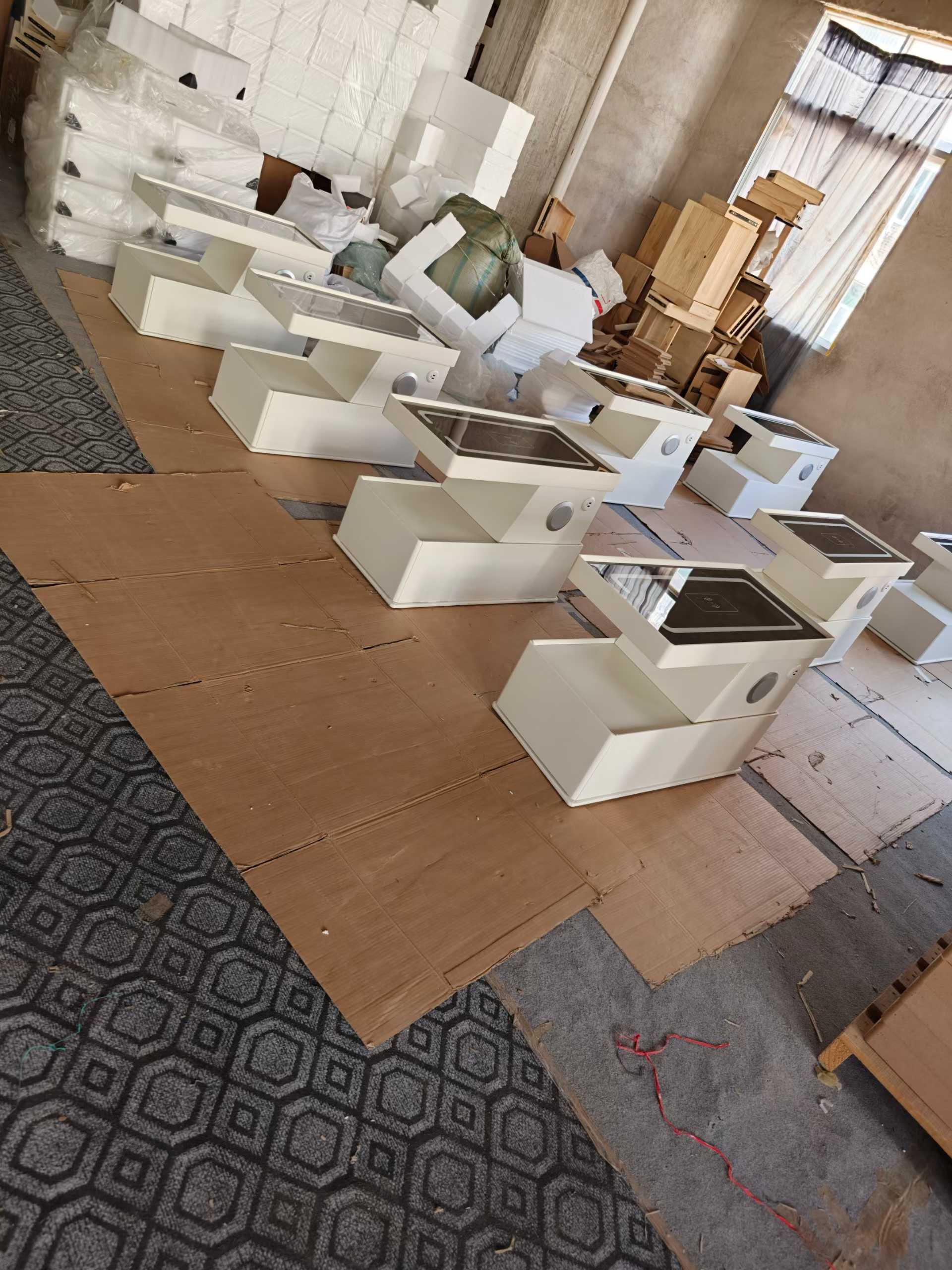
Bedside Table Product Mix Strategy for Furniture Retailers: How to Build a Profitable Collection
Learn how retailers, importers and distributors can build a practical bedside table collection with the right mix of price levels, materials, styles and smart features.
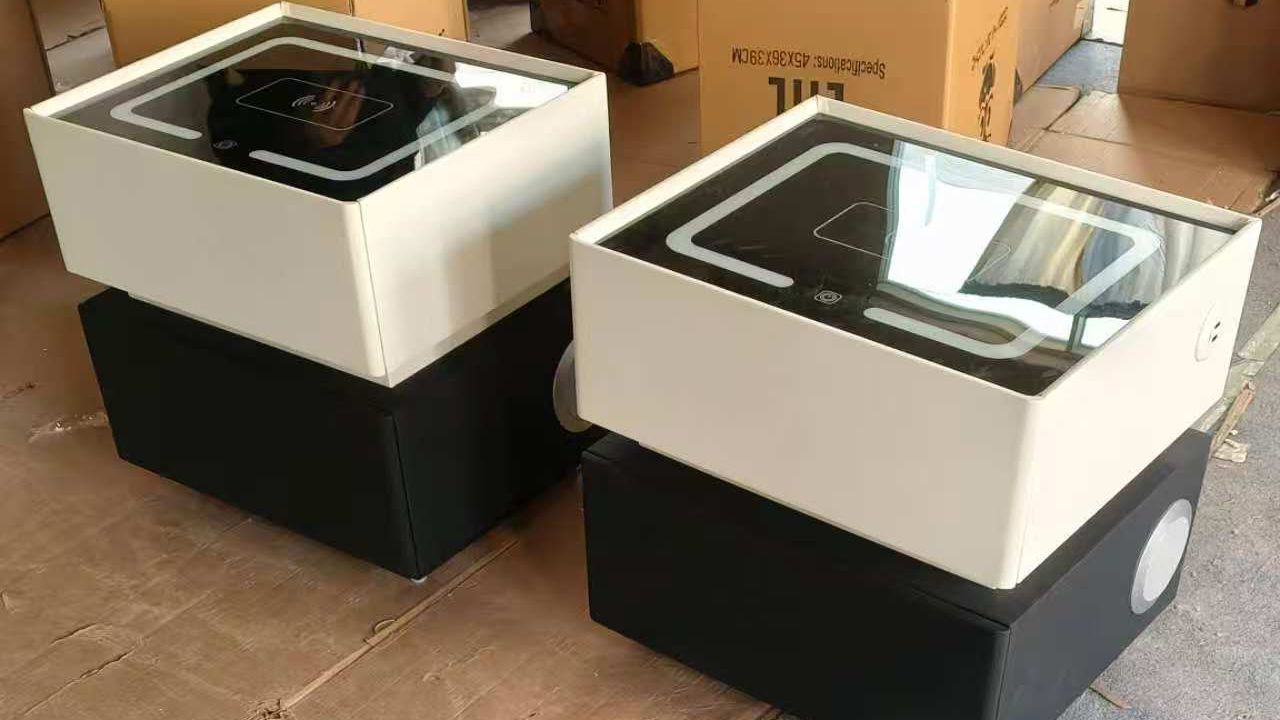
How Should a Retailer Build a Bedside Table Collection?
Choosing bedside tables is easy when you are buying one model.
It becomes much harder when you need a collection.
A retailer may want an affordable bedside table for everyday buyers, a better-looking model for the middle of the range, and something more distinctive for customers looking for higher-end bedroom furniture.
Then there are questions about materials, colors, storage, smart functions, MOQ and inventory.
The problem is that adding more models does not always make a collection better. Too many similar bedside tables can make the range harder to manage and leave stock sitting in the warehouse.
A practical bedside table collection usually works better when each model has a clear role.
A simple structure is:
Entry-level bedside tables for price-sensitive customers
Core models for the main part of the range
Premium or smart nightstands for higher-value customers and product differentiation
The exact mix depends on the retailer, market and sales channel. There is no single number of SKUs that works for every business.
After defining the product direction, choosing an experienced OEM bedside table manufacturer is the next step to turn the design concept into a production-ready product.
👉 OEM bedside table manufacturer
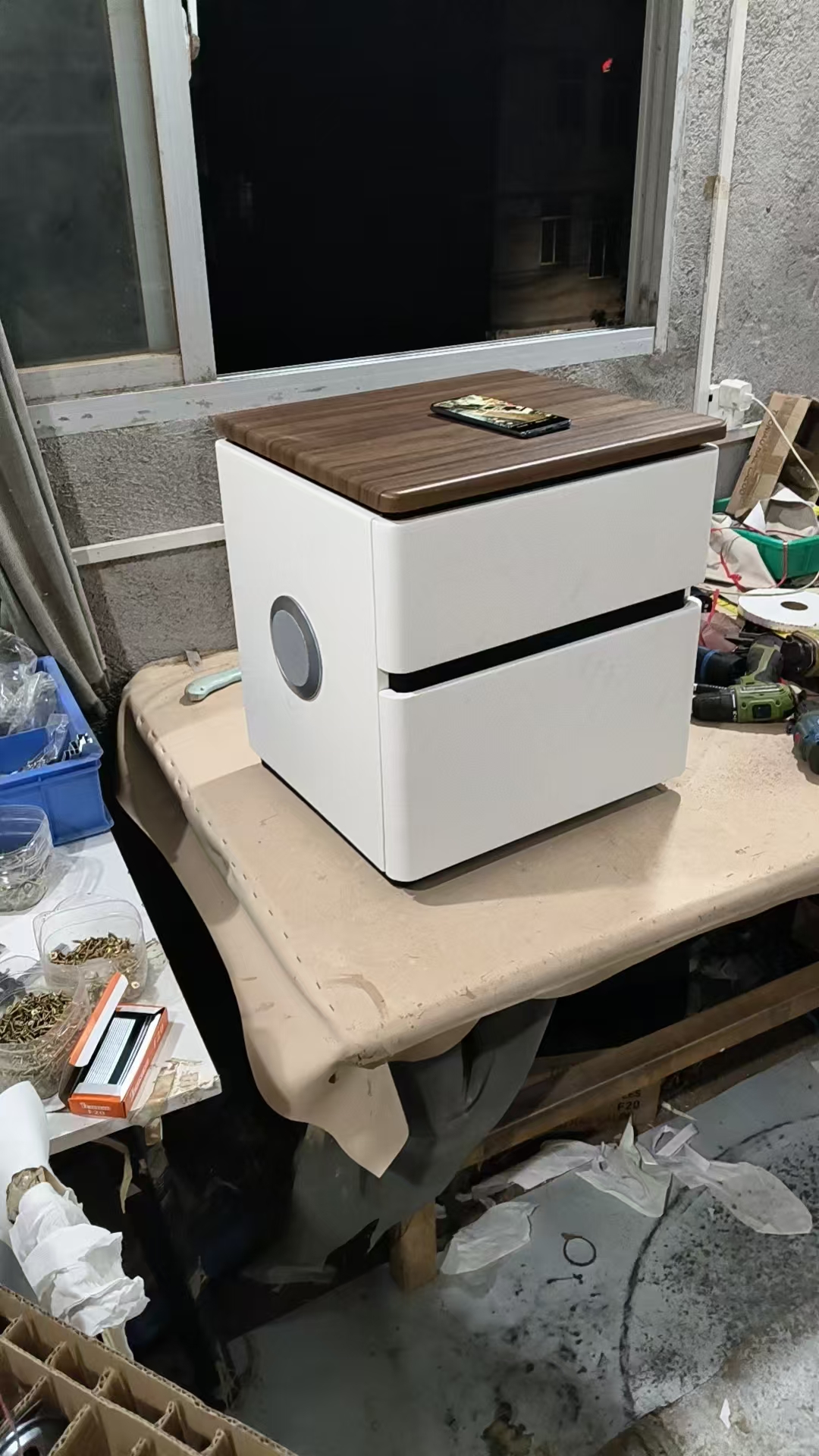
Why Does the Product Mix Matter?
A bedside table is a relatively small bedroom furniture item, but it can have an important role in a bedroom collection.
Customers may buy it together with a bed, dresser or other bedroom furniture. For online sellers, it can also be a useful product for testing a new style or price point without carrying a large furniture collection.
The problem starts when several models serve almost exactly the same purpose.
For example, a retailer may have six bedside tables that are all:
similar in size
made from similar materials
in the same price range
designed for the same customer
offering almost the same storage
From a catalogue perspective, six models may look like a large collection.
From a customer's point of view, they may look like six versions of the same product.
A better approach is to give each model a reason to be in the range.
What Is a Bedside Table Product Mix?
A product mix is the combination of bedside table models a retailer chooses to sell.
It is different from simply buying more products.
For example, a retailer might start with:
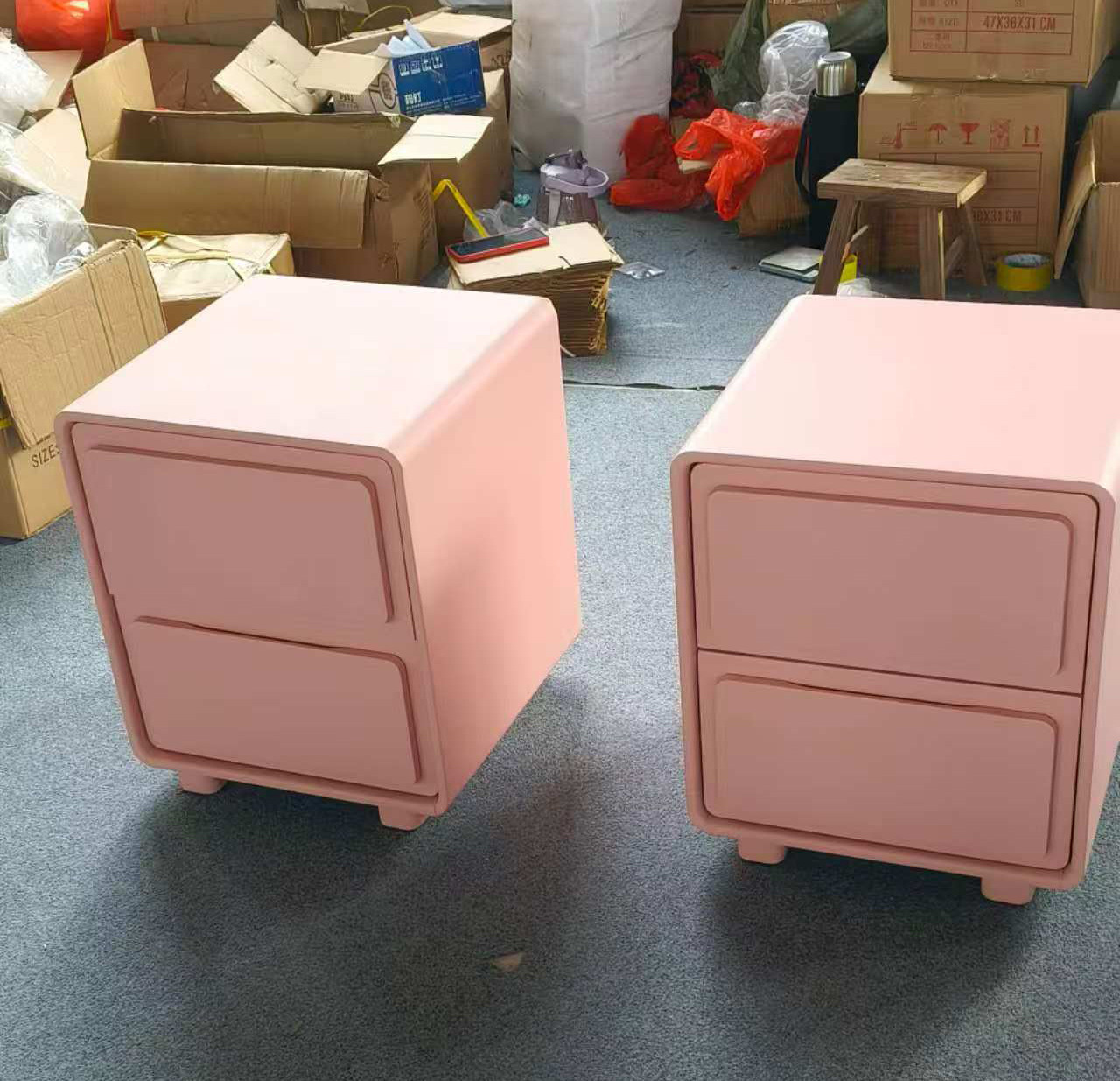
One affordable painted bedside table
Two or three core designs
One veneer or solid-wood model
One upholstered model
One smart nightstand
That may already provide enough variety for a small or medium-sized collection.
The original number of models does not need to be large. In many cases, a carefully selected range of 5–10 bedside table models can provide a useful starting point.
The important part is what each model is expected to do.
Start With the Customer, Not the Catalogue
Before choosing bedside tables, look at who is going to buy them.
Different customers have different priorities.
Furniture Retailers
A furniture retailer may need products that fit an existing bedroom range.
Important considerations can include:
retail price
appearance
available colors
matching bedroom furniture
packaging
delivery requirements
repeat availability
A retailer may not need ten completely different designs. A smaller range with clear price and style differences can be easier to sell.
Importers and Distributors
Importers and distributors usually need products that can work across several retail customers or markets.
They may pay more attention to:
factory price
MOQ
carton size
container loading
product consistency
lead time
packaging
repeat production
For this type of buyer, a product that looks good but is difficult to replenish may not be practical.
E-commerce Furniture Brands
Online sellers usually need to think differently.
Product photos, dimensions, shipping cost, packaging and customer expectations can have a direct effect on sales.
A bedside table with a simple structure and reasonable package size may be easier to sell online than a very large or complicated model.
Private-Label Brands
Private-label customers may want something that looks familiar enough for their market but still has differences from standard wholesale products.
That may involve:
customized colors
different materials
new dimensions
logo
packaging
hardware
storage configuration
smart functions
This is where an OEM supplier can become more useful than a standard catalogue supplier.
Give Each Bedside Table a Clear Position
One practical way to build a collection is to divide products into three levels.
1. Entry-Level Bedside Tables
Entry-level models are mainly designed for price-sensitive customers.
Typical choices may include:
painted MDF or engineered wood
simple shapes
basic drawers or shelves
standard hardware
commonly requested colors
The product does not need to look cheap.
The goal is to keep the construction and specification practical enough to meet the target price.
Choosing the right packaging solution starts with choosing an experienced OEM partner. A professional bedside table manufacturer should understand not only production, but also product development, quality control, packaging and international shipping requirements.
👉 OEM bedside table manufacturer in China
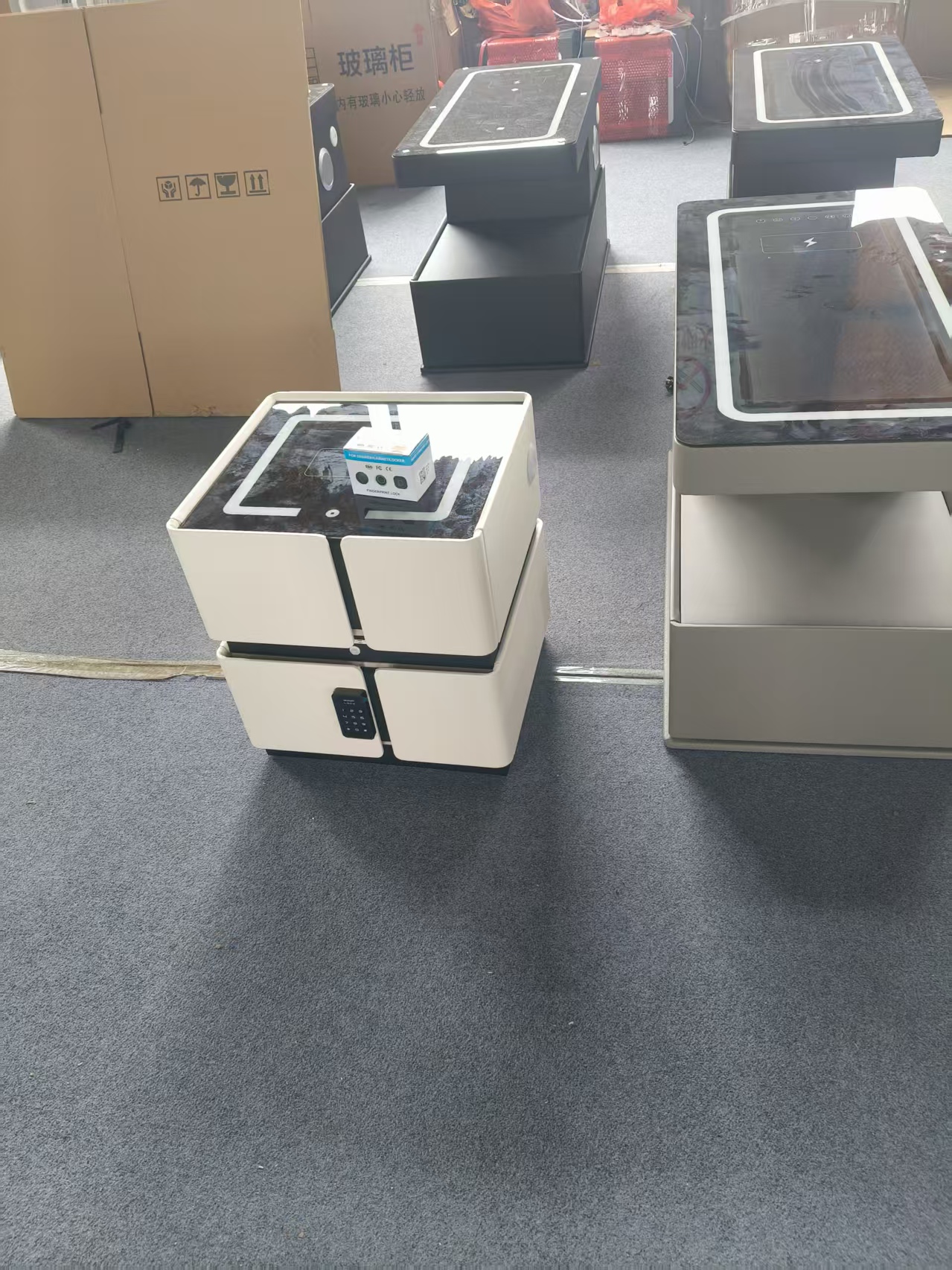
2. Core Bedside Tables
Core products usually make up the main part of the collection.
This is where retailers can offer more choices in:
design
finish
storage
dimensions
materials
Veneer, better finishes, improved hardware or more distinctive designs can help separate core products from entry-level models.
These products are often useful when the retailer wants a balance between appearance and price.
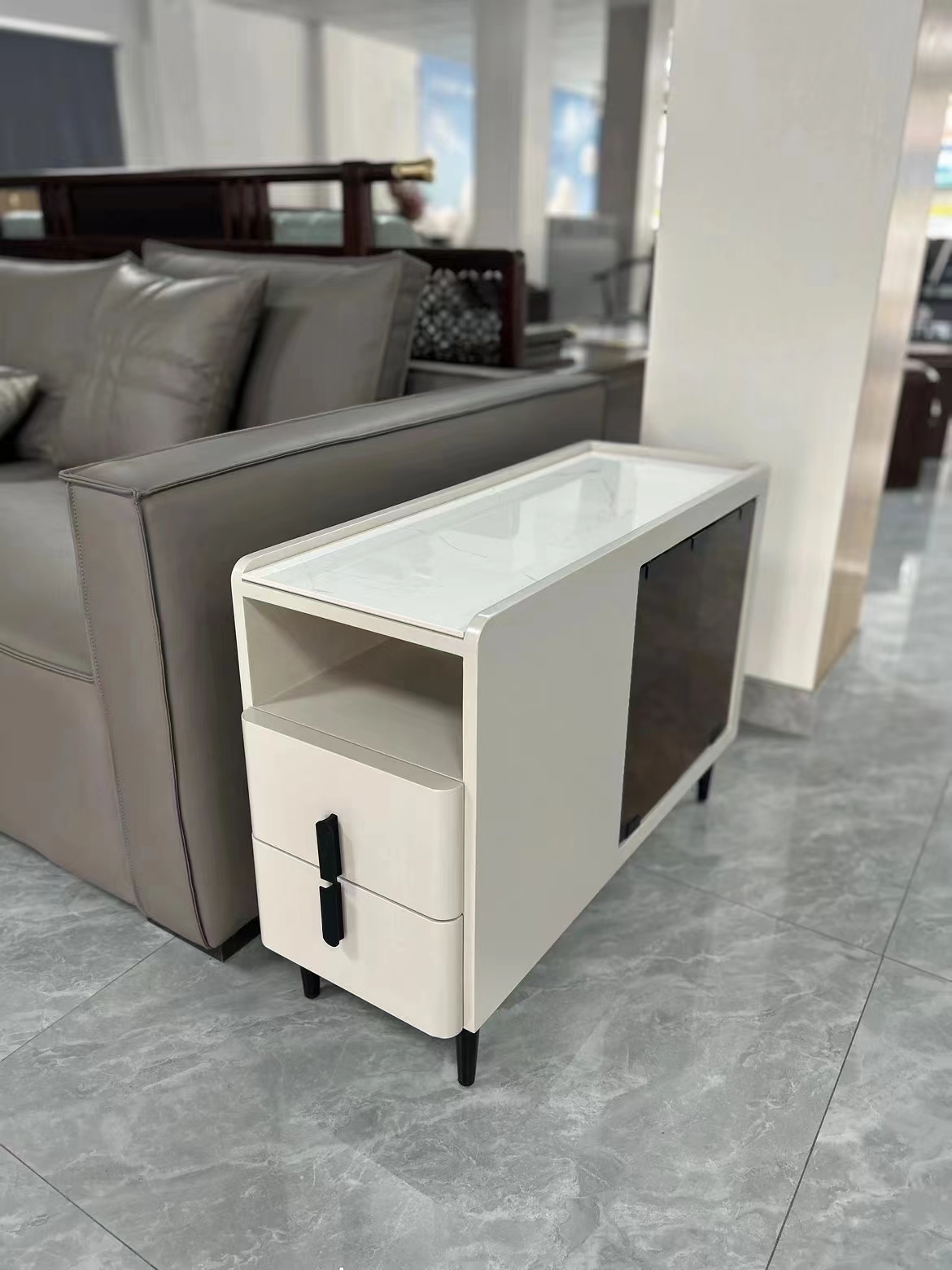
3. Premium and Smart Nightstands
Premium models can give the collection something different.
This may include:
solid wood
higher-quality veneer
upholstered finishes
special surface treatments
larger storage capacity
integrated lighting
wireless charging
USB or Type-C charging
Bluetooth speakers
fingerprint locks
Not every retailer needs many premium products.
Sometimes one or two well-positioned models are enough to give customers another option.
How Should You Choose Bedside Table Materials?
Material affects more than appearance.
It can influence:
product positioning
customer perception
price
durability expectations
weight
packaging
sales channel
Painted MDF or Engineered Wood
Painted MDF and engineered wood can be suitable for more price-sensitive collections.
They allow manufacturers to offer different shapes and finishes without moving immediately into a higher material cost.
Wood Veneer
Veneer can provide a more natural wood appearance while allowing greater control over cost and construction.
It can be a practical choice for core-range bedside tables.
Solid Wood
Solid wood can be used when the product needs a stronger natural-material positioning.
However, it also needs to be considered together with cost, weight, packaging and the target market.
Upholstered or Leather Bedside Tables
Upholstered bedside tables can give a bedroom collection a softer appearance.
They can also help create a different visual position from painted or wood-finish products.
For retailers with a bedroom-focused collection, this type of model can provide useful variety.
For more detailed material considerations, see the bedside table materials guide.
Where Do Smart Nightstands Fit Into the Collection?
Smart nightstands should not automatically replace standard bedside tables.
For many retailers, it makes more sense to keep standard products as the foundation and use smart models as an additional category.
A smart nightstand may include:
wireless charging
LED lighting
USB charging
Type-C charging
Bluetooth speakers
fingerprint lock
password lock
The important question is not how many functions can be added.
The better question is:
Which functions make sense for the target customer?
For one market, wireless charging and LED lighting may be enough.
Another market may have customers interested in Bluetooth speakers or a fingerprint lock.
This is why smart nightstands are often better treated as a separate product position rather than adding every available function to every bedside table.
How Many Bedside Table SKUs Should You Start With?
There is no universal answer.
A retailer with a physical store may need a different range from an online furniture brand.
A distributor may also need more options because it serves several customers.
A simple starting structure could be:
Business Type | Possible Starting Range |
Small furniture retailer | 3–5 models |
E-commerce seller | 3–8 models |
Furniture importer | 5–10 models |
Distributor | 5–10+ models |
Private-label brand | Based on target collection |
These are practical starting points rather than fixed rules.
The main idea is to avoid filling the catalogue with products that have no clear difference.
Match the Bedside Table Collection to the Sales Channel
The same bedside table does not necessarily work equally well in every sales channel.
Physical Furniture Stores
Customers can see and touch the product.
Appearance, finish, drawer movement and overall construction can therefore be important.
A retailer may want a few different materials and styles displayed together.
E-commerce
Online sellers need to pay closer attention to:
product photography
dimensions
package size
assembly
shipping cost
product weight
customer reviews
A product that looks attractive online but arrives with damaged packaging can create problems later.
Distributors
Distributors usually need products that can be reordered.
Consistency matters.
If a model sells well, the supplier should be able to reproduce the same dimensions, finish and construction in future orders.
Hotel and Project Buyers
Hotels and projects may have different requirements.
They may care more about:
quantity
consistency
project specifications
customization
delivery schedule
packaging
compliance documents
For these buyers, the product mix may be built around a project specification rather than a retail catalogue.
A clear development process helps buyers reduce risks before mass production, from initial design review to final sample approval.
👉 smart nightstand OEM solutions

Five Common Bedside Table Product Mix Mistakes
1. Too Many Similar Models
Ten products are not necessarily better than five.
If the difference is only a small change in color or handle, customers may have difficulty understanding the range.
2. Competing Only on Price
A low price can attract attention, but it does not automatically create a strong product.
Construction, appearance, packaging and consistency also matter.
3. Adding Smart Features Without a Target Customer
Wireless charging, LED lighting, speakers and locks can all sound attractive.
But every added function can also increase cost and create additional quality-control requirements.
Choose functions according to the market.
4. Ignoring Packaging
Bedside tables may be smaller than many other furniture products, but they still need suitable protection during transportation.
Packaging should be considered when selecting a model, especially for e-commerce and export orders.
5. Choosing Products Without Considering Replenishment
A product may sell well in the first order but become difficult to manage if the supplier cannot maintain consistent production.
Before adding a model, consider whether it can be reordered at the required quantity and specification.
Should You Choose OEM or Standard Wholesale Bedside Tables?
It depends on how established the product range is.
Standard wholesale models can be useful when a buyer wants to test a market quickly.
OEM becomes more useful when the buyer wants more control over the product.
OEM customization may include:
size
material
color
structure
drawer configuration
hardware
logo
packaging
smart functions
For private-label brands, OEM can also make it easier to create a collection that does not look exactly like the same catalogue offered by many other sellers.
For more information, see the guide to OEM bedside table manufacturing in China.
A Practical Standard + Smart Bedside Table Collection
A balanced collection could look like this:
Entry Range
1–2 painted bedside tables
simple storage
practical dimensions
price-focused positioning
Core Range
2–4 designs
veneer or improved finishes
different storage configurations
several color options
Premium Range
1–2 upholstered, solid-wood or higher-finish models
Smart Range
1–2 smart nightstands
wireless charging
LED lighting
USB/Type-C charging
optional Bluetooth speaker or lock
This structure gives customers different price points without requiring a very large number of SKUs.
The actual combination should still be adjusted according to the target market.
How Can Retailers Reduce Bedside Table Inventory Risk?
Inventory is one of the reasons product mix planning matters.
A retailer does not only pay for the product.
There can also be costs related to:
warehouse space
shipping
packaging
damaged stock
slow-moving products
capital tied up in inventory
One way to reduce risk is to start with a smaller range and watch which products receive more interest.
For new products, buyers can also discuss smaller trial quantities with the supplier where possible.
After identifying products with repeat demand, the collection can be expanded.
This approach is particularly useful when entering a new market.
What Should You Check When Choosing an OEM Bedside Table Supplier?
Price is important, but it should not be the only factor.
Before placing an order, buyers should discuss:
Product
Material
Dimensions
Structure
Finish
Hardware
Storage
Smart functions
Order
MOQ
Sample availability
Sample cost
Production lead time
Payment terms
Repeat-order conditions
Export
Packaging
Carton dimensions
Loading quantity
Shipping terms
Required certificates or compliance documents
Customization
Logo
Color
Size
Packaging
Special functions
Private-label requirements
A supplier that understands these details can make product development easier, especially when several models are being developed together.
Packaging is also closely related to importing costs, customs planning and total landed cost. Buyers who are sourcing bedside tables internationally should consider the complete import process before placing large orders.
👉 import bedside tables from China guide

Example: A Balanced Bedside Table Collection
Imagine a furniture retailer wants to build a new bedroom collection.
Instead of choosing ten random bedside tables, the retailer could start with:
Product | Material | Position |
Model A | Painted MDF | Entry |
Model B | Painted MDF | Core |
Model C | Veneer | Core |
Model D | Veneer | Core |
Model E | Upholstered | Premium |
Model F | Smart | Premium/Smart |
This gives the retailer a clear range without making every product compete with the others.
If one category performs better, the retailer can then expand that part of the collection.
What Should Retailers Discuss With an OEM Factory?
When developing a collection, it helps to discuss the range as a whole rather than asking for individual products one by one.
For example:
Target market:
Which country or customer group are you selling to?
Target price:
What retail or wholesale price range are you targeting?
Product position:
Is the model entry-level, core, premium or smart?
Material:
Painted MDF, veneer, solid wood, upholstered or another material?
Dimensions:
What size works for your bedroom collection?
Functions:
Does the model need standard storage, wireless charging, LED lighting or other smart functions?
Branding:
Do you need your own logo, packaging or product specifications?
Order quantity:
What is your expected trial order and repeat quantity?
This gives the factory a much clearer picture of the collection.
How Hebai Supports Bedside Table Collection Development
Hebai Furniture focuses on bedside tables and nightstands, including painted, upholstered and smart models.
The product range can be developed for different retail positions rather than treating every bedside table as the same product.
For smart nightstands, possible configurations include:
LED lighting
wireless charging
USB and Type-C charging
Bluetooth speakers
fingerprint lock
password lock
For OEM and private-label projects, customization can include product structure, dimensions, materials, colors, logos, packaging and selected functions.
This can be useful for furniture retailers, importers, distributors and e-commerce brands that want to build a bedside table collection rather than simply purchase individual products.
You can view the bedside table product range or contact Hebai to discuss an OEM project.
Reduce Shipping Risks Before Production
Every bedside table project has different packaging requirements. Send us your product details, and we can recommend suitable protection methods based on your design and shipping destination.
👉 Get Packaging Recommendation
Final Thoughts
A good bedside table collection does not need to contain dozens of models.
It needs to make sense.
Start by understanding your customer and sales channel. Then decide which products should cover the entry, core and premium parts of the range.
Choose materials according to the target price and market.
Use smart nightstands where the functions have a clear purpose.
And before adding more SKUs, ask whether the new model actually gives the customer something different.
For retailers and importers, the right product mix can make catalogue management easier, reduce unnecessary inventory and give customers a clearer choice.
The supplier also matters. A factory that can support standard products, OEM customization and smart nightstand development can make it easier to adjust the collection as the market changes.
FAQ: Bedside Table Product Mix
How many bedside table models should a furniture retailer offer?
There is no fixed number. A small retailer may start with 3–5 models, while an importer or distributor may need 5–10 or more. The important point is that each model should have a clear position.
What are the main types of bedside tables?
Common options include painted bedside tables, veneer nightstands, solid-wood bedside tables, upholstered models and smart nightstands.
Should a retailer sell smart nightstands?
Smart nightstands can be useful when the target customer values functions such as wireless charging, LED lighting, USB charging or Bluetooth speakers. They do not necessarily need to replace standard bedside tables.
What smart functions can be added to a nightstand?
Depending on the design, functions can include wireless charging, LED lighting, USB/Type-C charging, Bluetooth speakers, fingerprint locks and password locks.
Is OEM better than standard wholesale?
They serve different purposes. Standard wholesale products can be suitable for testing a market, while OEM is more suitable when a buyer needs customized dimensions, materials, colors, packaging, branding or functions.
What materials are commonly used for bedside tables?
Painted MDF or engineered wood, wood veneer, solid wood and upholstered materials are among the options that can be used for different product positions.
How can retailers reduce bedside table inventory risk?
Starting with a smaller collection, testing demand and expanding models with repeat demand can help reduce the risk of carrying too many slow-moving products.
What should I consider when choosing a bedside table supplier?
Consider product quality, materials, MOQ, sample process, lead time, packaging, customization capability, repeat-order consistency and export requirements.
Can a bedside table manufacturer develop private-label products?
Yes. Depending on the supplier's capabilities, private-label development can include product dimensions, structure, material, color, logo, packaging and selected functions.
Can smart bedside tables be customized?
Smart bedside tables can be developed with different combinations of functions. The exact configuration should be confirmed according to the target market, product design and order requirements.
Related Guides
OEM Bedside Table Manufacturer in China
How to Choose Bedside Table Materials
Smart Nightstand Features and OEM Options
Bedside Table Manufacturing Process
Bedside Table Packaging Guide
Private Label Bedside Tables for Retailers
Ready to develop your next bedside table collection?
Send us your target market, reference design, required functions or target quantity. We can discuss suitable bedside table models and OEM options for your range.
Start Your OEM Bedside Table Project
Whether you are sourcing standard bedside tables, smart nightstands or custom hotel furniture, our team can help with product development, sampling, production and export logistics.
✔ OEM & ODM Service
✔ Smart Nightstand Solutions
✔ Low MOQ Available
✔ Sample Support
✔ Export Experience
👉 Get OEM Quote Within 24 Hours