Import Bedside Tables from China Without Costly Mistakes
Planning to import bedside tables from China? Learn how to avoid common sourcing mistakes, compare suppliers, evaluate MOQ requirements, control product quality, and reduce shipping costs before placing your order.
Import Bedside Tables from China: A Practical Buying Guide for 2026
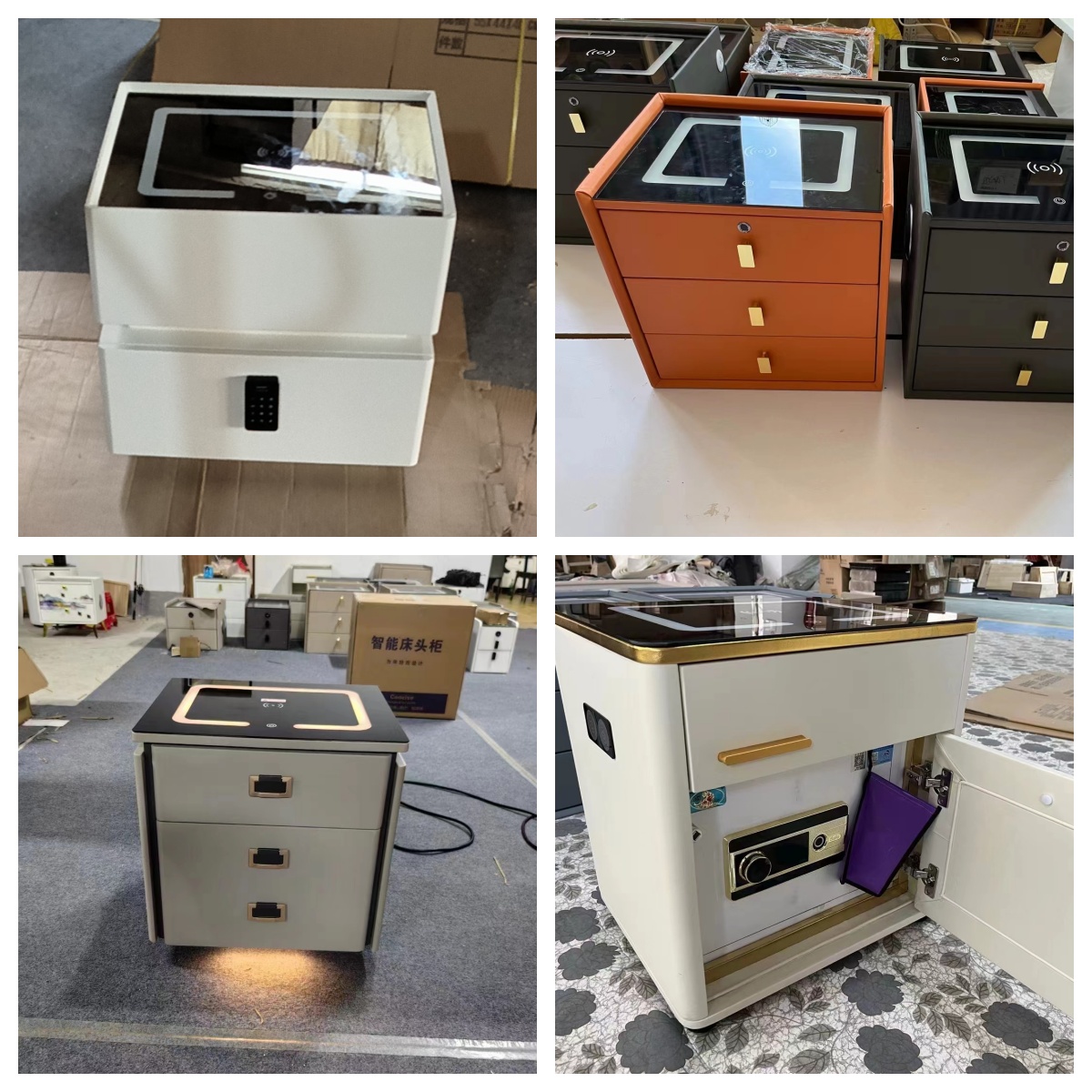
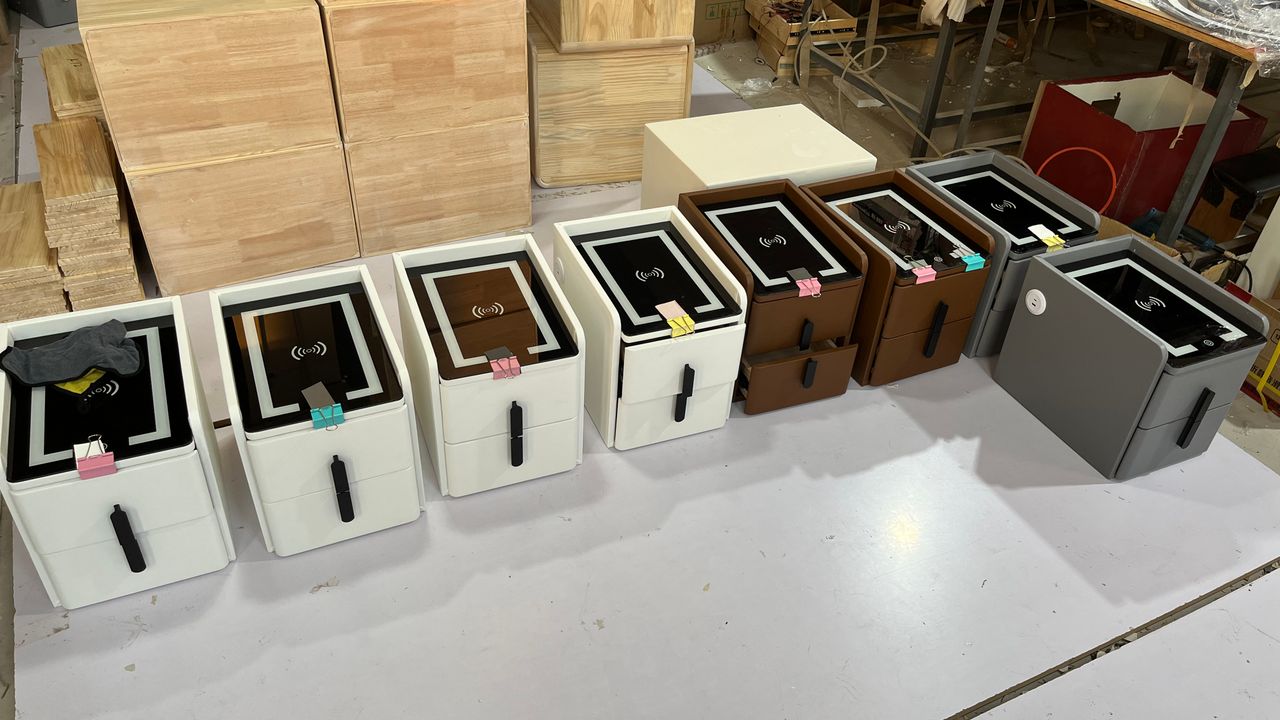
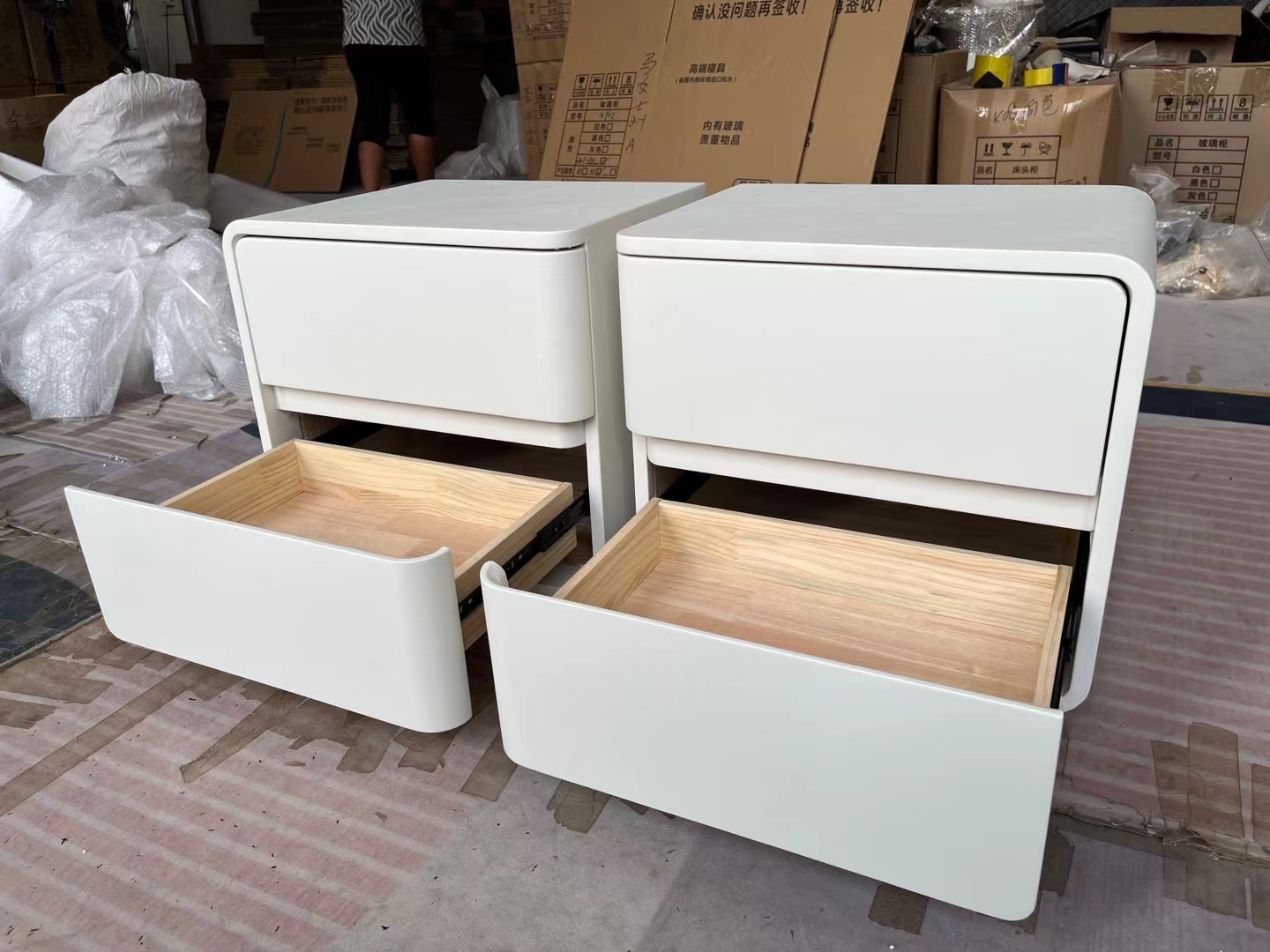
China remains one of the world's largest furniture manufacturing bases, and bedside tables continue to be one of its strongest export categories. From economical MDF cabinets to upholstered nightstands and smart bedside tables with integrated charging systems, buyers can find products for almost every market and price point.
However, importing successfully is about much more than comparing factory prices.
Most sourcing problems—whether they involve quality, lead time, packaging, or unexpected costs—can usually be traced back to decisions made before production even starts. Clear product specifications, realistic supplier selection, and consistent quality management have a far greater impact on the final result than negotiating another dollar off the quotation.
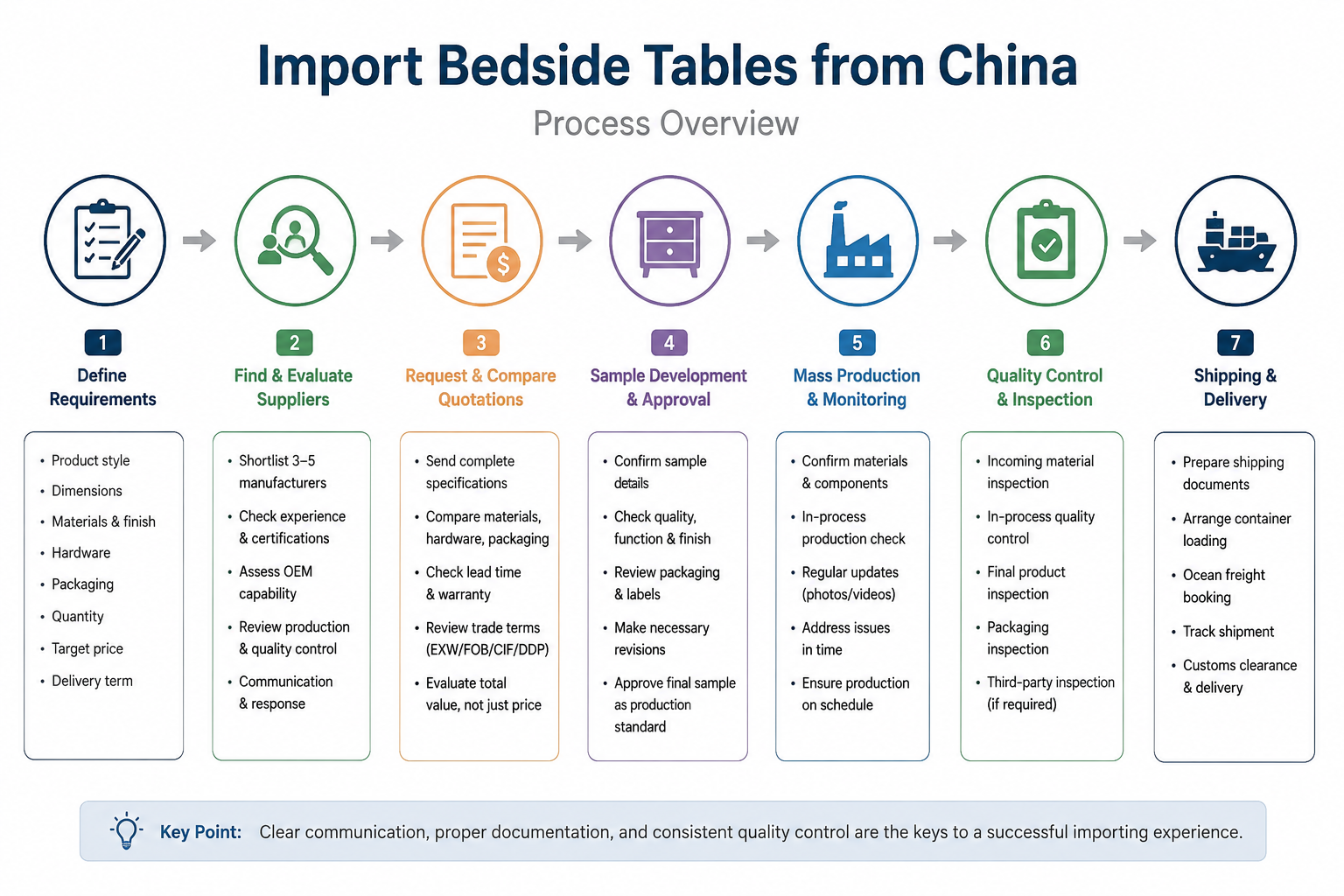
This guide outlines the purchasing process used by many furniture importers and private-label brands, helping you understand what to prepare, what to compare, and where the biggest risks usually appear.
Planning an OEM Project?
Send us your drawings, reference photos, or product ideas. We'll review your requirements and recommend suitable materials, construction methods, and manufacturing options before you request quotations.
Chapter 1
Why Source Bedside Tables from China?
Despite rising labor costs and changes in global supply chains, China continues to be the preferred sourcing destination for many furniture importers. The reason is simple: few countries can match the combination of manufacturing capacity, supporting industries, and OEM flexibility available in China's furniture clusters.
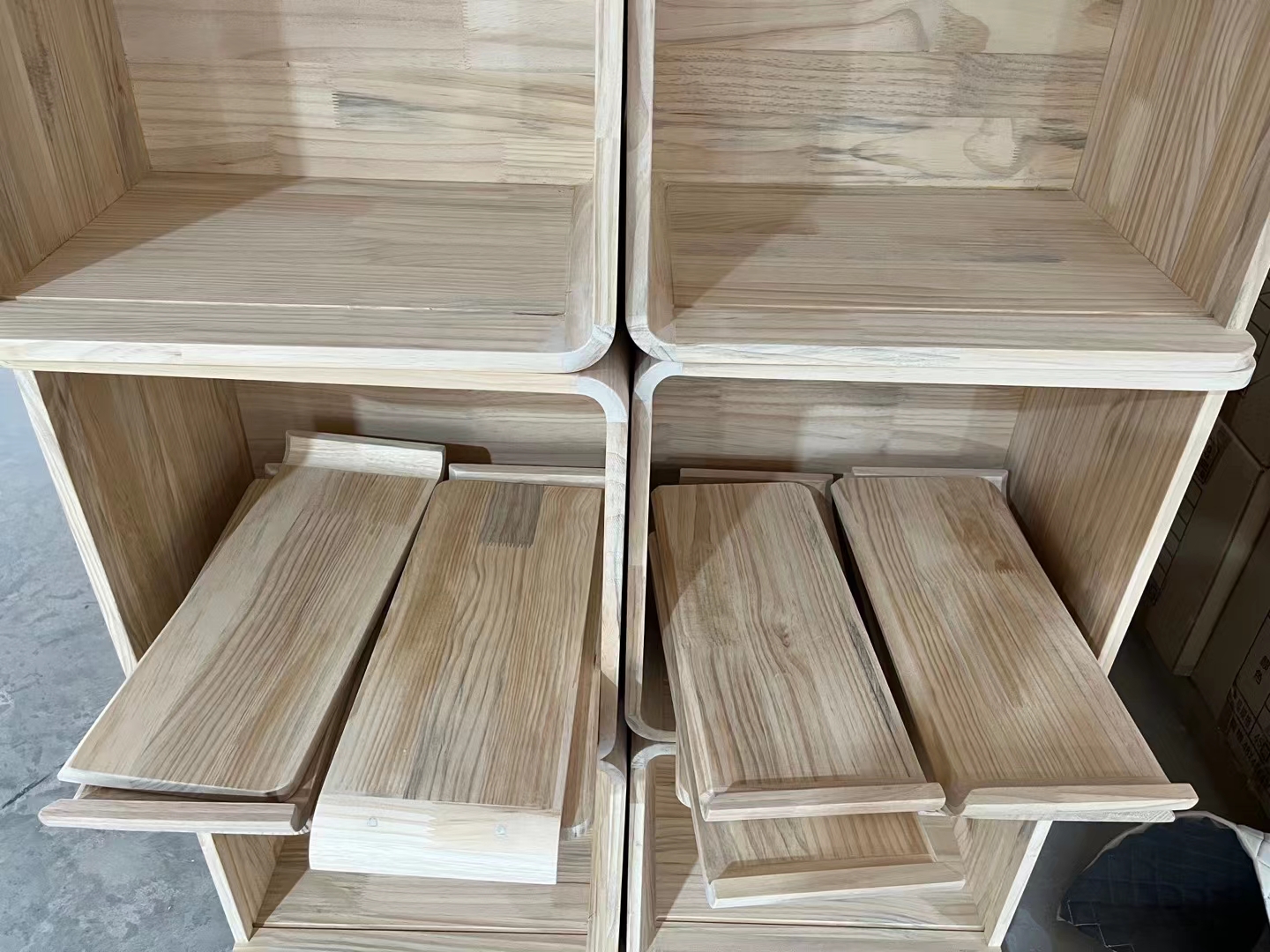
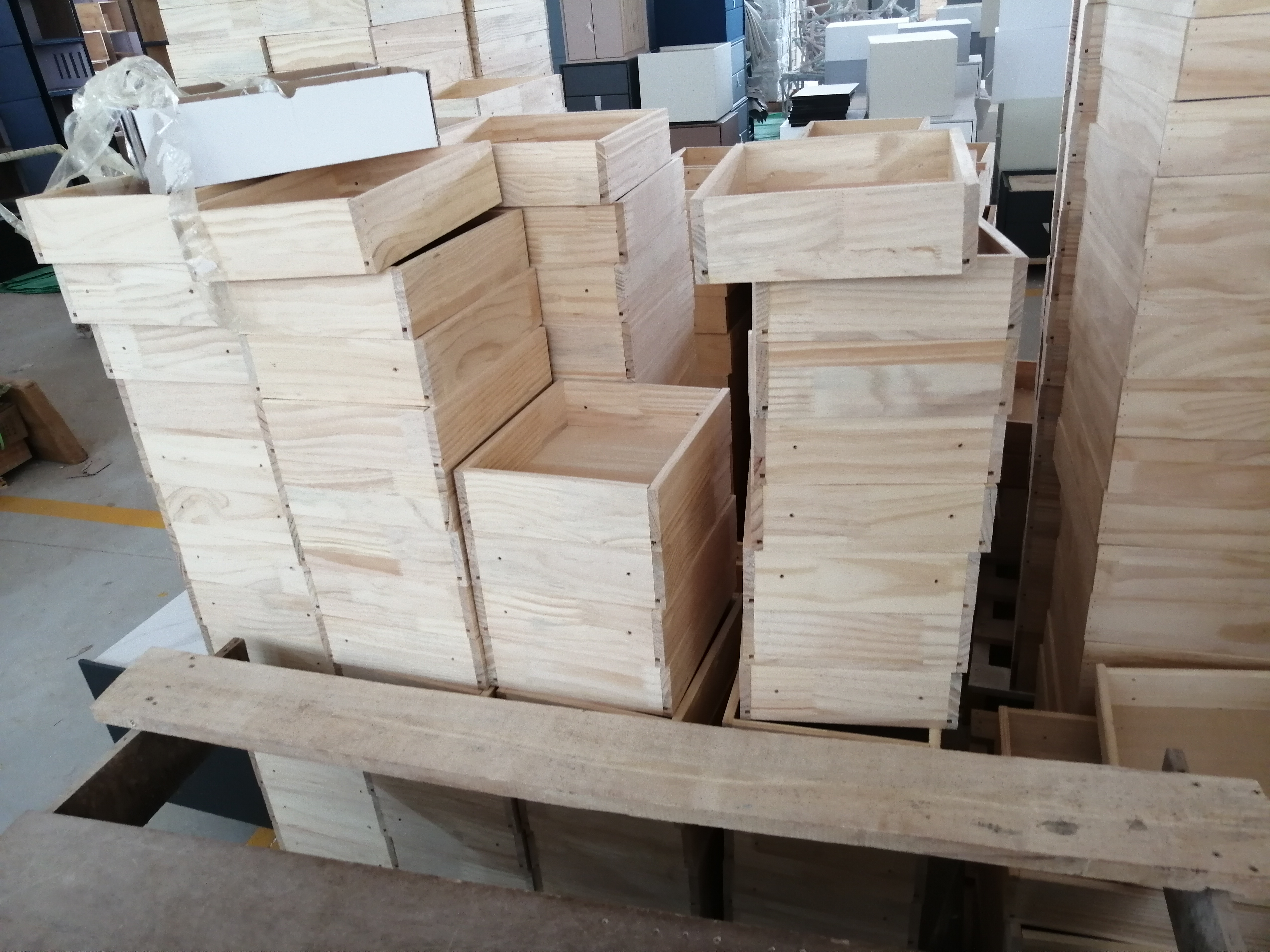
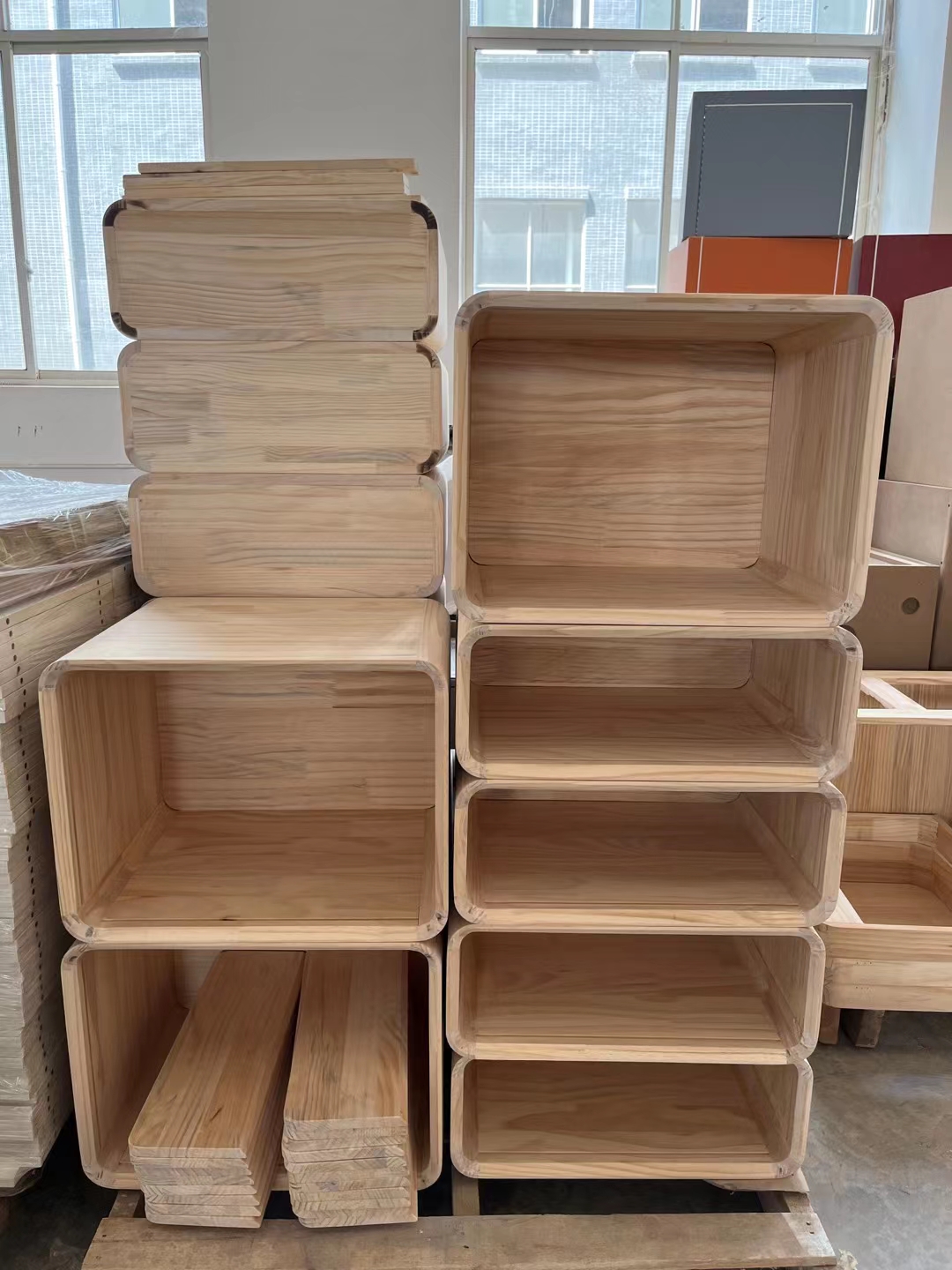
For bedside tables, suppliers can usually offer a broad range of options within the same manufacturing network, including wooden, upholstered, lacquered, and smart models. Materials, hardware, packaging, and electronic components are sourced through well-established local supply chains, allowing factories to respond quickly to customization requests and production adjustments.
This integrated manufacturing system is often a greater advantage than price alone.
Another reason buyers continue sourcing from China is product flexibility. Most manufacturers can adapt existing designs by changing dimensions, finishes, hardware, packaging, or branding without developing an entirely new product. For importers building private-label collections, this shortens development time and reduces investment.
Product specialization also deserves attention. A factory producing bedside tables every day generally understands construction details, export packaging, and production planning better than a factory making dozens of unrelated furniture categories. Experience with similar projects often translates into fewer production issues and more consistent quality.
The most successful sourcing decisions are rarely based on finding the largest factory or the cheapest quotation. They come from choosing a supplier whose manufacturing capabilities match the product, target market, and quality expectations.
Looking for an OEM bedside table manufacturer instead of a trading company?
If you're planning to develop your own collection rather than buying standard catalog products, our OEM guide explains the complete customization process, typical MOQs, production workflow, and how private-label projects are managed from design to mass production.
👉 Learn More About Our OEM Capability
Chapter 2
Prepare Before Contacting Suppliers
Accurate quotations begin with accurate information.
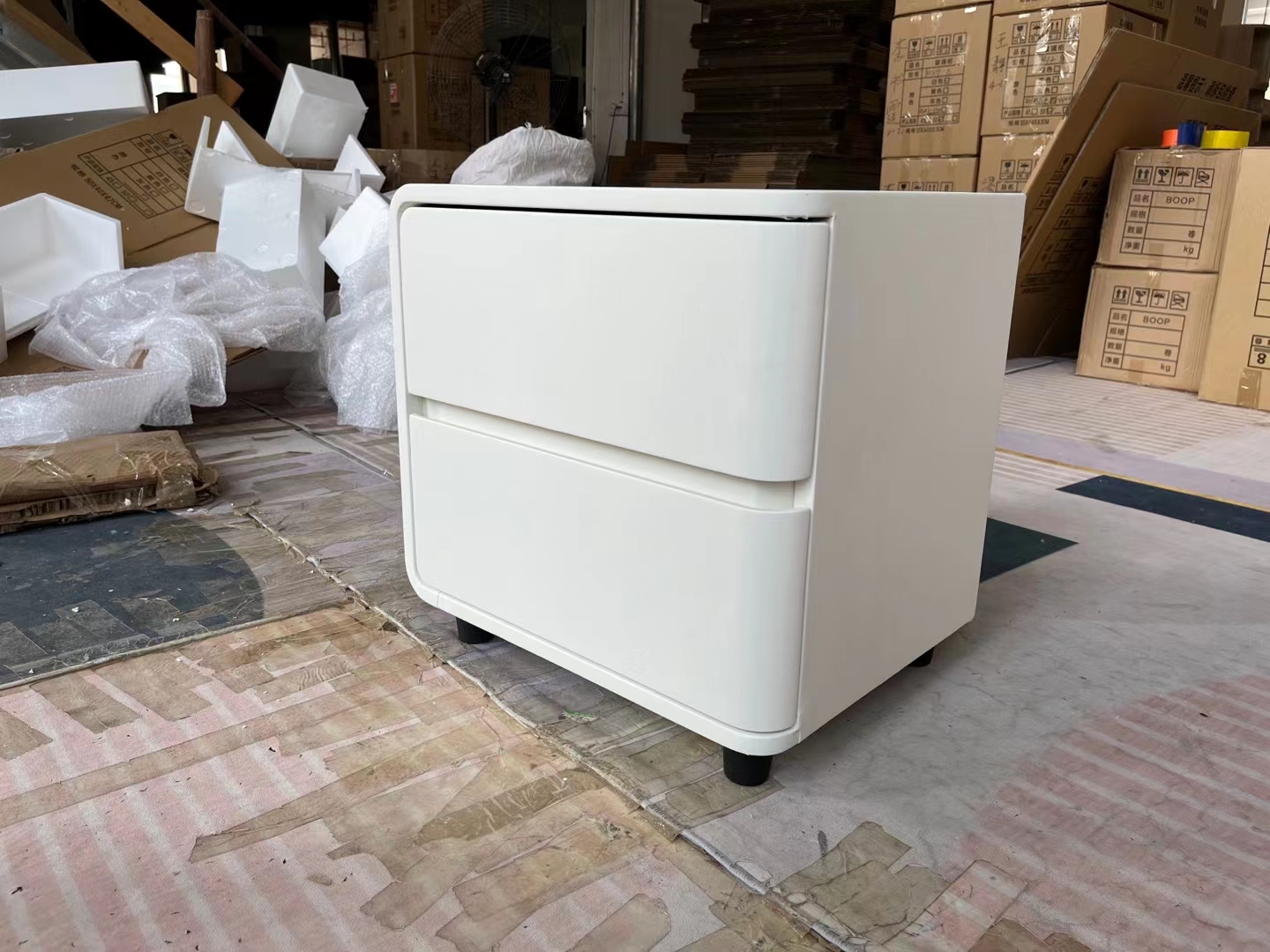
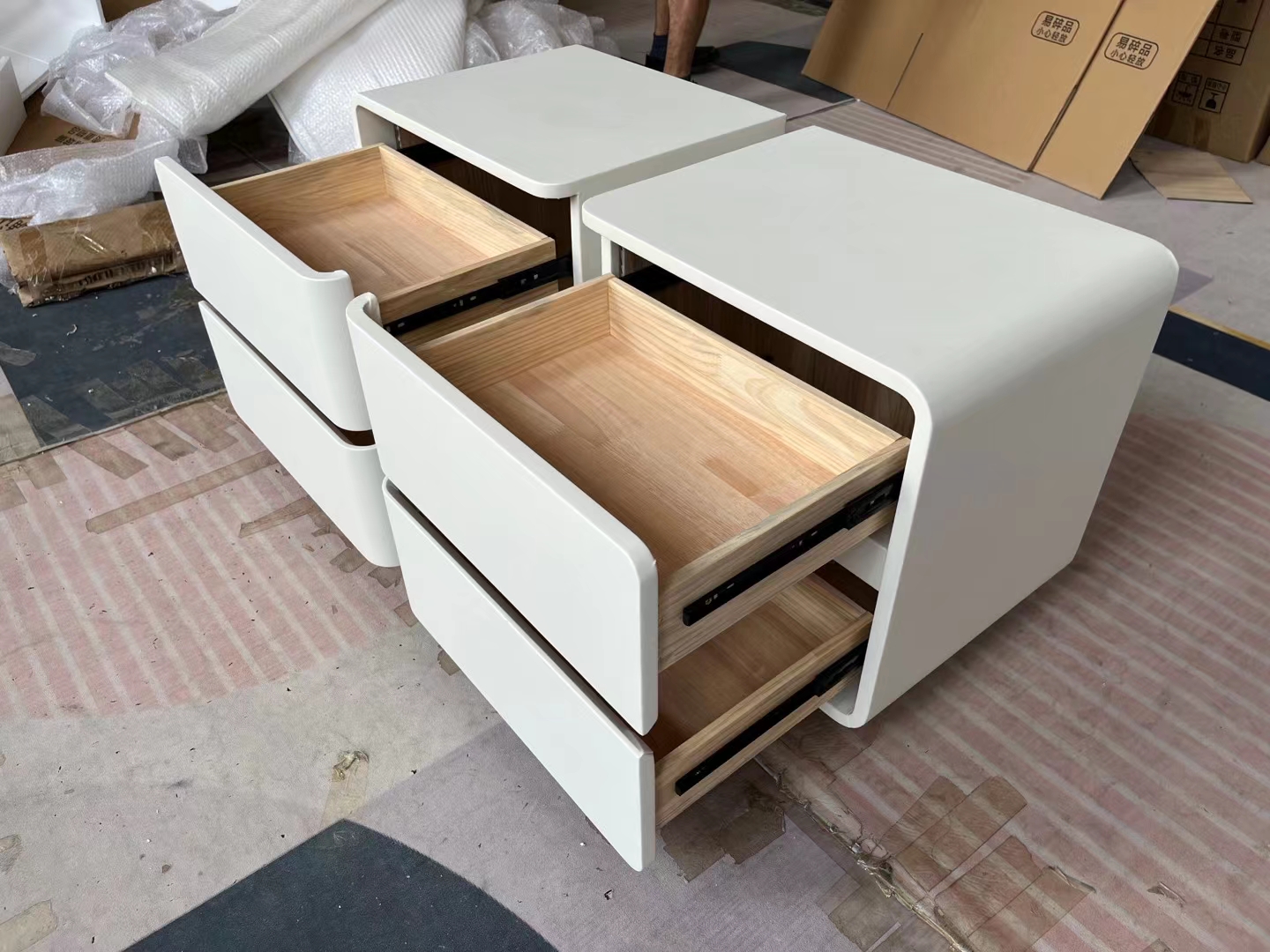
One of the most common mistakes is requesting prices before defining the product clearly. If different suppliers receive different specifications, every quotation will be based on different assumptions, making meaningful comparisons almost impossible.
Before contacting manufacturers, prepare the following information.
Item | Recommendation |
Product | Photos or technical drawings |
Dimensions | Overall size and drawer layout |
Materials | MDF, plywood, solid wood, veneer or upholstery |
Finish | Color, paint or veneer requirements |
Hardware | Drawer slides, handles and accessories |
Packaging | KD or assembled, retail or export carton |
Quantity | Estimated order volume |
Delivery | Destination country and preferred trade term |
It is equally important to understand who the product is designed for.
A hotel project may prioritize durability and standardized quality, while an online retailer may focus more on packaging performance and shipping efficiency. Residential furniture collections often place greater emphasis on appearance, whereas commercial projects usually value long-term reliability and ease of maintenance.
Spending more time on preparation usually saves time throughout the rest of the project. When suppliers receive complete and consistent information from the beginning, quotations become easier to compare, sample revisions are reduced, and production moves forward with fewer misunderstandings.
Not sure which material is right for your market?
Compare MDF, plywood, solid wood, veneer, and upholstered construction to understand how each option affects durability, pricing, and positioning in different furniture markets.
👉 Bedside Table Materials Guide
Chapter 3
Finding the Right Manufacturer
Choosing a supplier is often the most important decision in the entire sourcing process. The difference between a smooth project and a problematic one usually comes down to production capability rather than price.
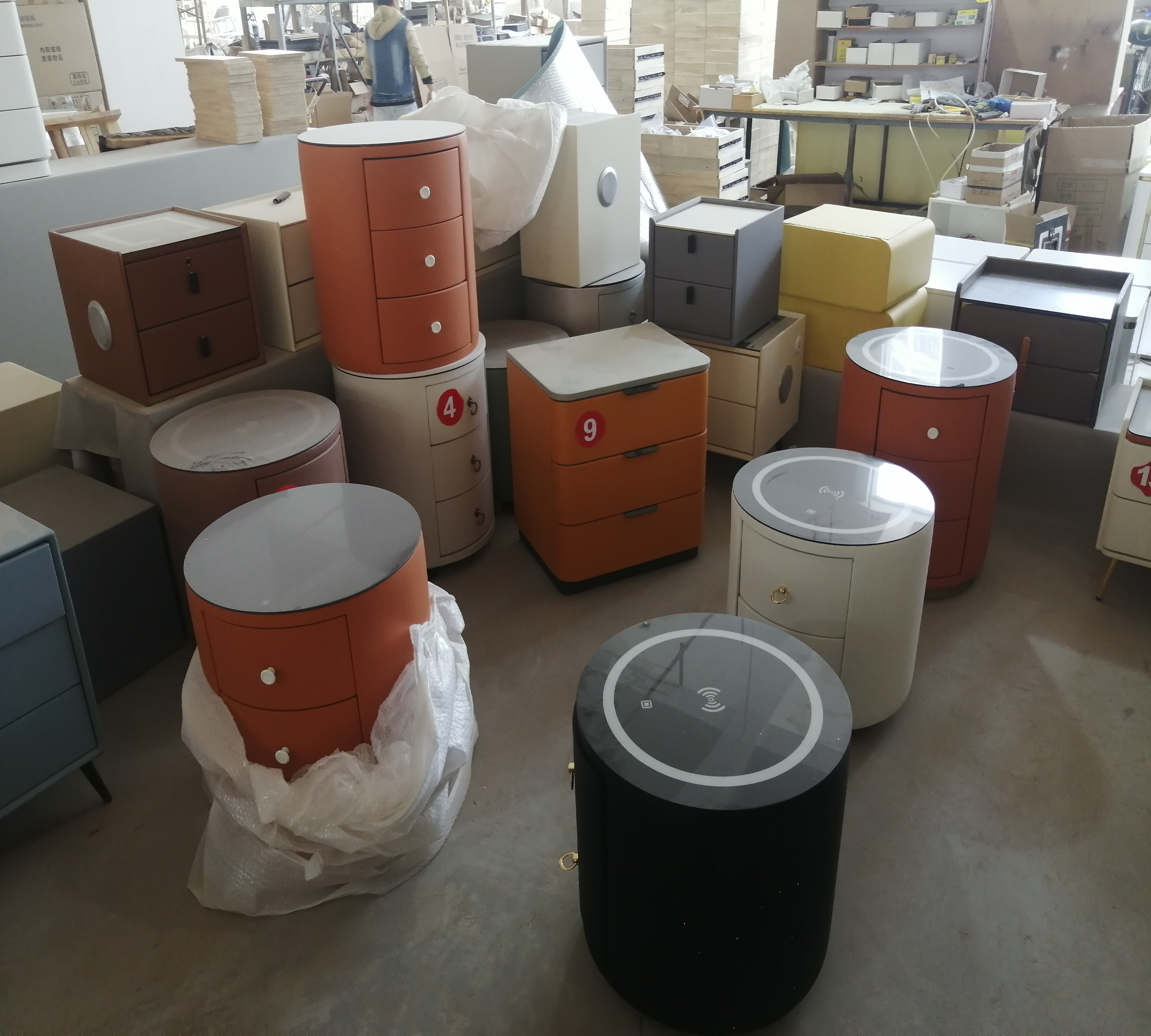
Instead of collecting quotations from dozens of companies, start with three to five manufacturers that specialize in bedroom furniture or bedside tables. A smaller shortlist makes comparison easier and usually leads to better communication.
When evaluating a supplier, look beyond product photos. Almost every manufacturer can produce attractive catalogue images, but production experience is reflected in other details.
Evaluation Area | What to Review |
Product Experience | Bedside table or bedroom furniture projects |
OEM Capability | Custom sizes, finishes, packaging and branding |
Export Experience | Main markets and project types |
Production Management | Lead time and manufacturing stability |
Quality Control | Inspection process and testing standards |
Communication | Technical knowledge and response quality |
The questions you ask are just as important as the answers you receive.
Rather than asking whether a factory can produce a particular design, ask how they would improve it, what materials they recommend for your market, or which parts of the product require the closest quality control. Suppliers with genuine experience usually answer with practical suggestions instead of general sales language.
Choosing between a factory and a trading company depends on the project itself. For OEM development, working directly with a manufacturer generally provides faster communication and better control over production. If several furniture categories need to be purchased together, an experienced trading company may simplify coordination.
Compare China's leading bedside table manufacturers
Before selecting a supplier, compare different manufacturing capabilities, export experience, OEM services, and product specializations to identify the best partner for your project.
👉 Top Bedside Table Manufacturers in China
Chapter 4
Comparing Quotations
A Think of a quotation as more than a price sheet. It also defines materials, construction, packaging and commercial terms. Small differences here often explain why prices vary between suppliers.
Before comparing costs, confirm that every supplier is pricing the same product. Small differences in materials, hardware, packaging, or construction can easily explain large differences in price.
The following items should always be reviewed together.
Item | Why It Matters |
Materials | Product quality and durability |
Hardware | Service life and customer satisfaction |
Packaging | Transportation safety |
Lead Time | Inventory planning |
Warranty | After-sales support |
Trade Terms | Total purchasing cost |
Need a Factory Quotation?
Our engineering team can help you evaluate specifications, estimate production costs, and prepare an OEM quotation based on your project requirements.
A quotation that appears slightly higher may include stronger export packaging, higher-quality hardware, or more comprehensive quality control. These improvements often reduce replacement costs, shipping damage, and after-sales issues after the products arrive.
Trade terms should also be compared carefully.
EXW – The buyer arranges transportation from the factory.
FOB – The supplier delivers the goods to the export port, while the buyer manages international freight.
CIF – Ocean freight is arranged by the supplier, but customs clearance remains the buyer's responsibility.
DDP – Most transportation and customs procedures are handled by the supplier under the agreed terms.
Using different trade terms can make quotations appear cheaper or more expensive than they actually are, so comparisons should always be based on the same shipping conditions.
Below is a simplified example.
Item | Supplier A | Supplier B |
Unit Price | Lower | Slightly Higher |
Hardware | Standard | Premium |
Packaging | Standard | Reinforced |
Quality Control | Final Inspection | Multi-stage Inspection |
Overall Value | Good | Better Long-term Value |
The lowest quotation is not always the most economical choice. Reliable production, consistent quality, and fewer problems after delivery usually create greater value over the life of the project than a small saving on the initial purchase price.
Need help estimating MOQ and pricing?
MOQ directly affects unit cost, packaging, and production planning. This guide explains common factory minimums, mixed orders, and pricing considerations for OEM projects.
Chapter 5
From Sample Approval to Mass Production
Approving a sample does not mean the project is finished. It simply means both sides have agreed on the product standard that production should follow.
Any changes made after this point may affect materials, production schedules, or packaging, so it is worth confirming every detail before manufacturing begins.
A complete production specification should include:
Approved product drawings
Material and finish specifications
Hardware list
Packaging requirements
Product labels and carton markings
Assembly instructions, if required
Keeping these documents together helps avoid misunderstandings later, especially when repeat orders are placed months after the first shipment.
Checking the Sample
Treat the sample as the benchmark for production, not simply a product review. Once it has been approved, every finished unit should match that standard.
Instead of focusing only on appearance, check whether the product performs as expected in everyday use.
Check Item | Points to Confirm |
Appearance | Colour, finish and overall workmanship |
Structure | Stability, drawer alignment and construction |
Hardware | Drawer slides, hinges and handles |
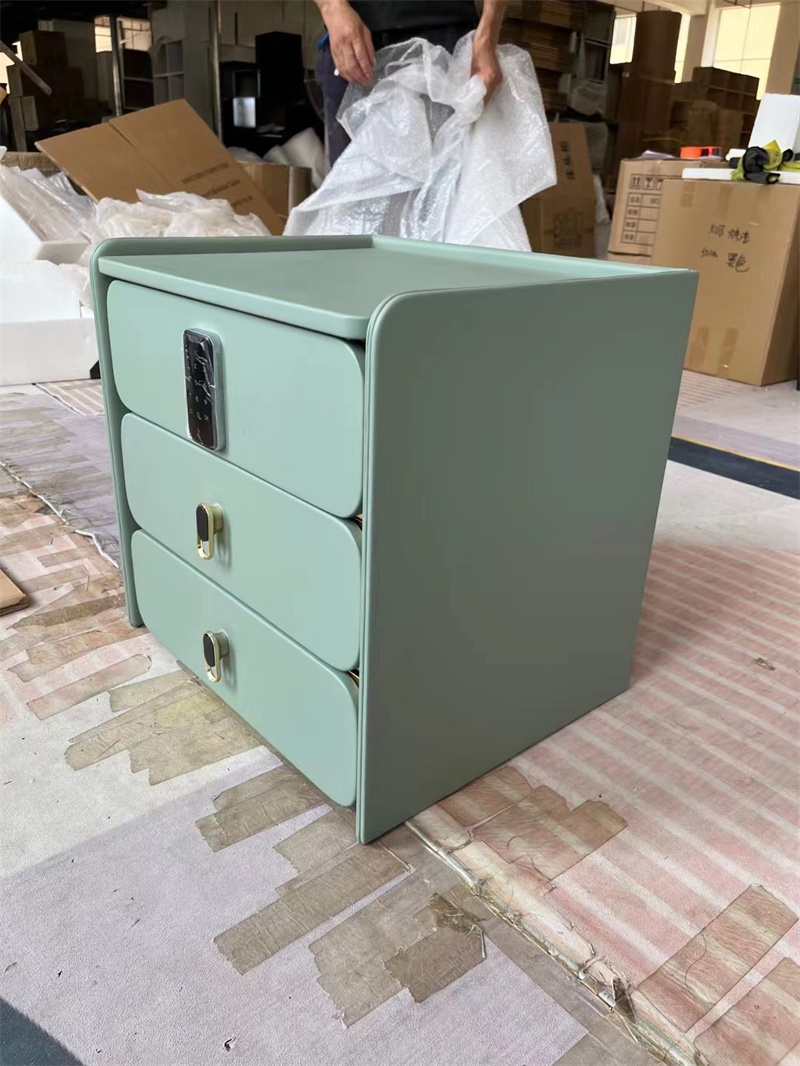
Smart Features | Charging, lighting or other optional functions |
Packaging | Carton strength and internal protection |
In practice, most revisions involve drawer alignment, hardware selection or packaging rather than structural changes. Confirming these items during sampling is usually enough to avoid production delays.
Keeping Production on Track
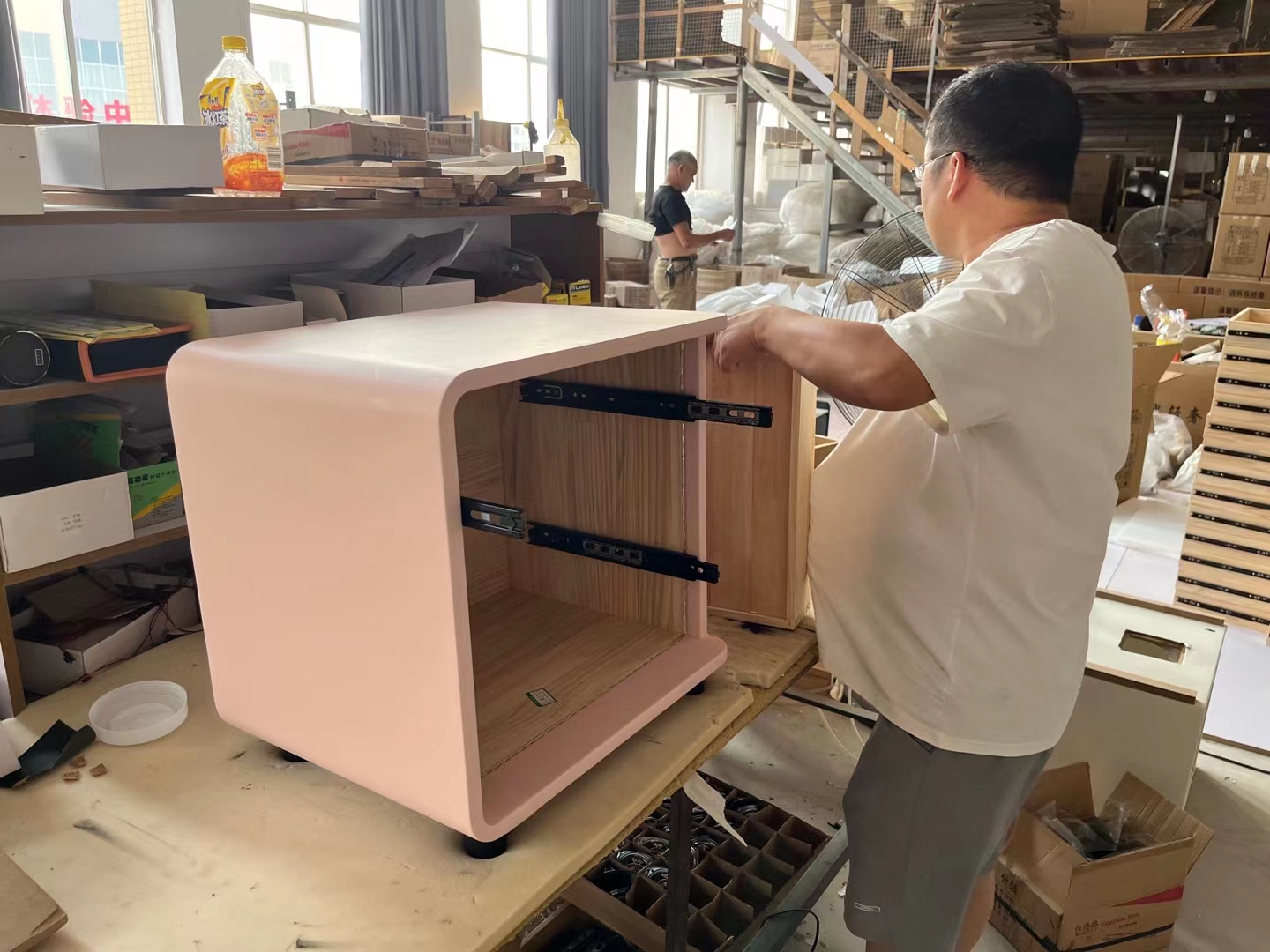
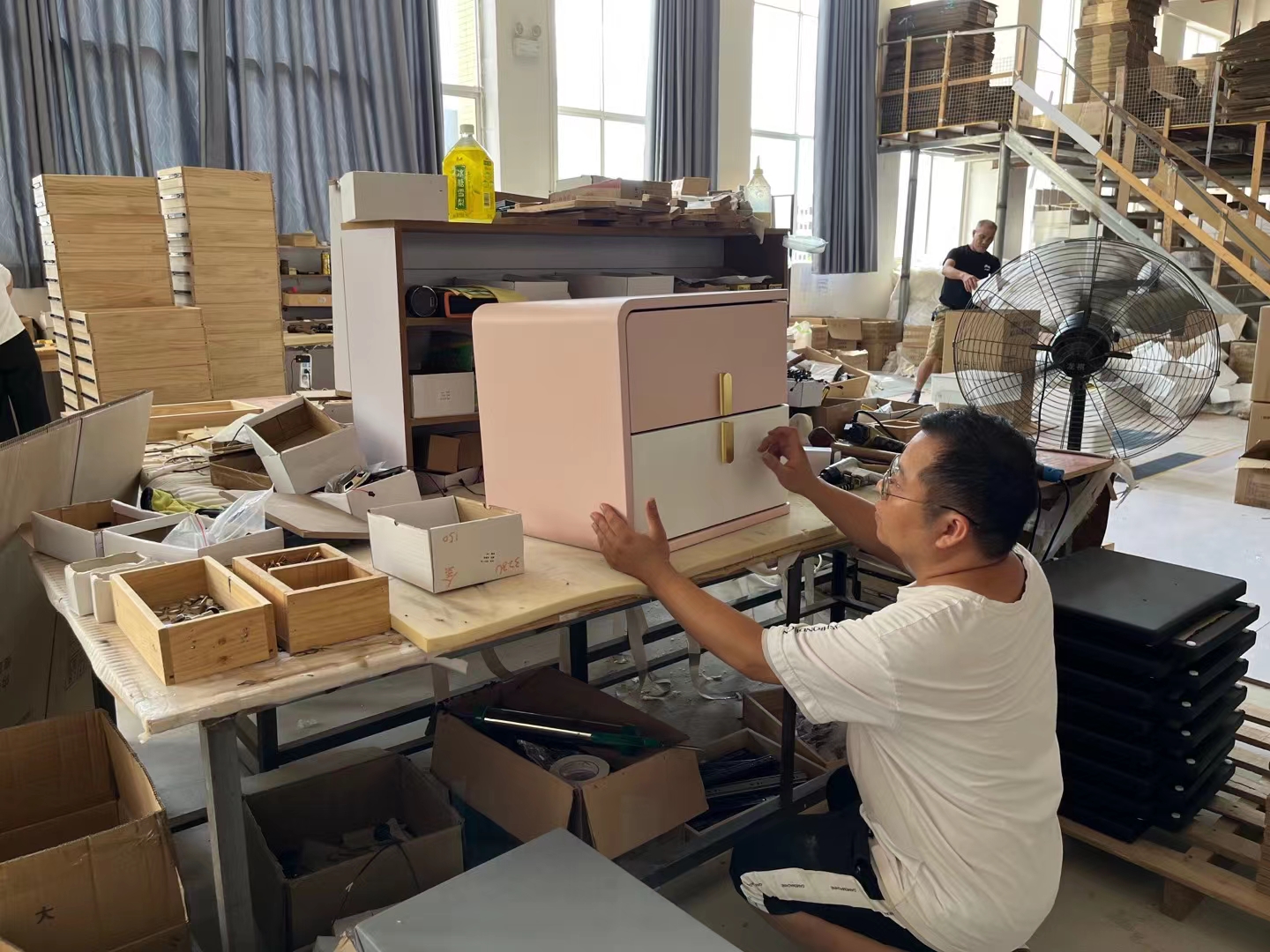
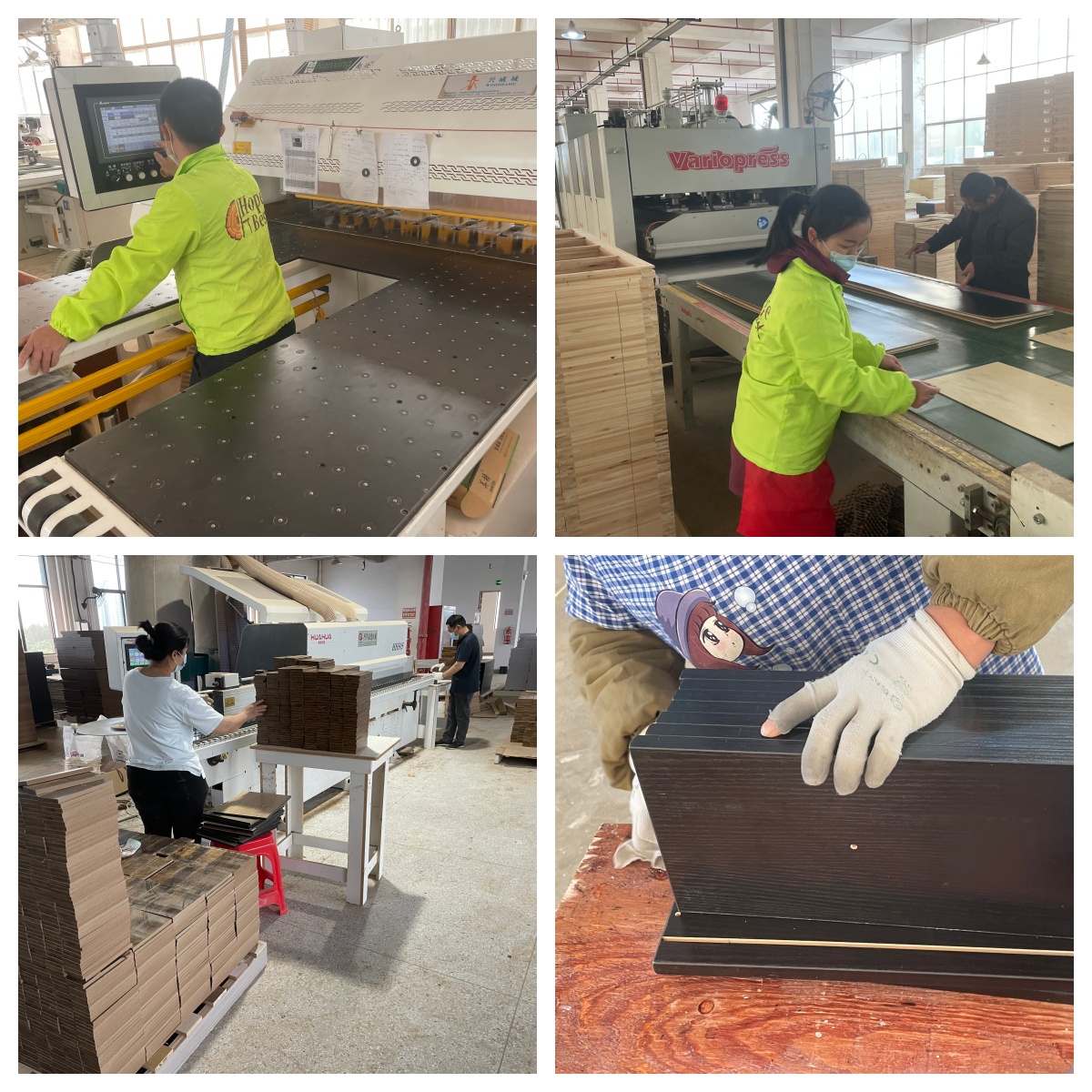
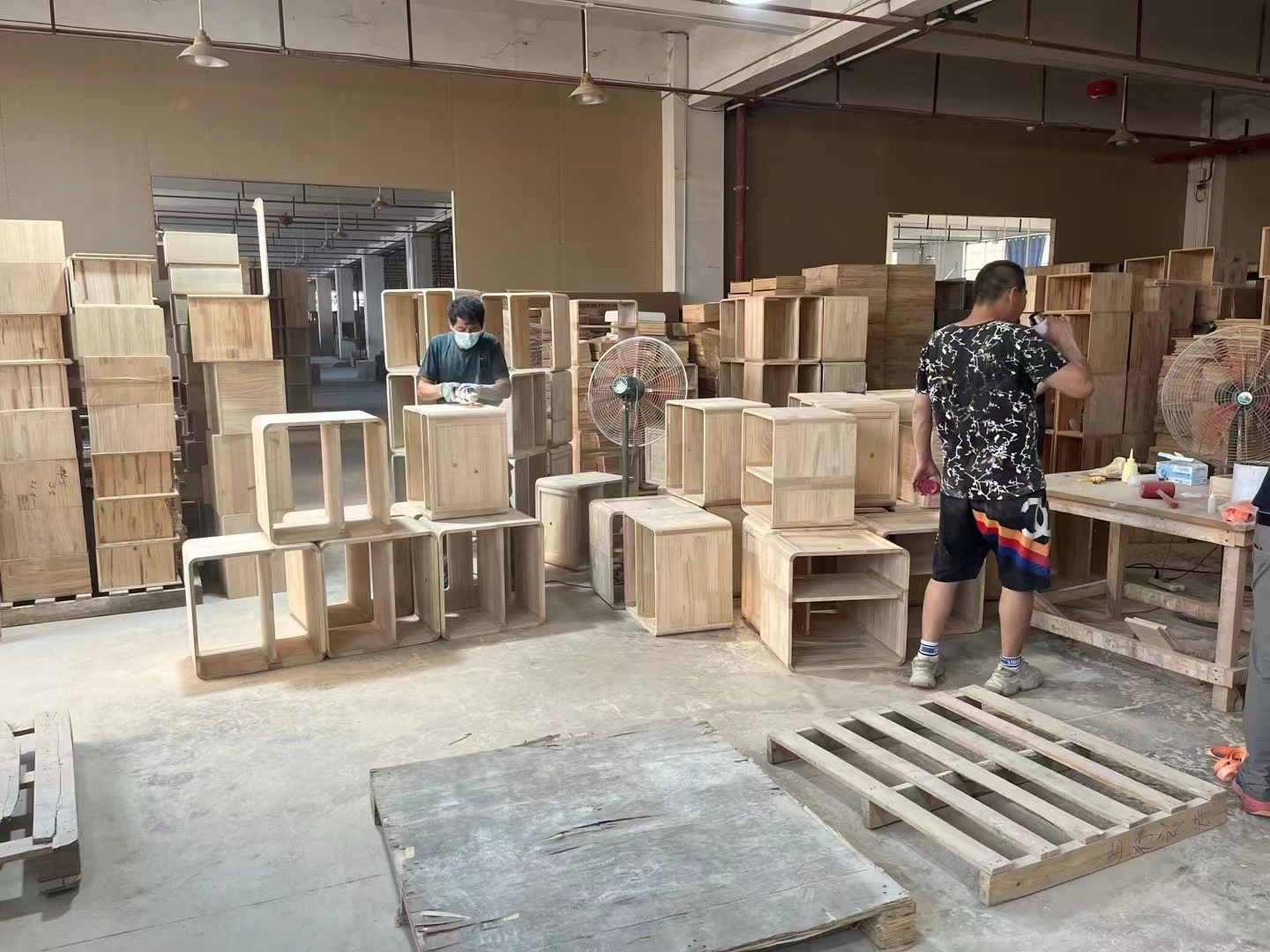
Most factories follow a similar production sequence, from material preparation to machining, assembly, finishing, packaging and final inspection.
For repeat projects, these records also become useful references for future production.
Quality Control
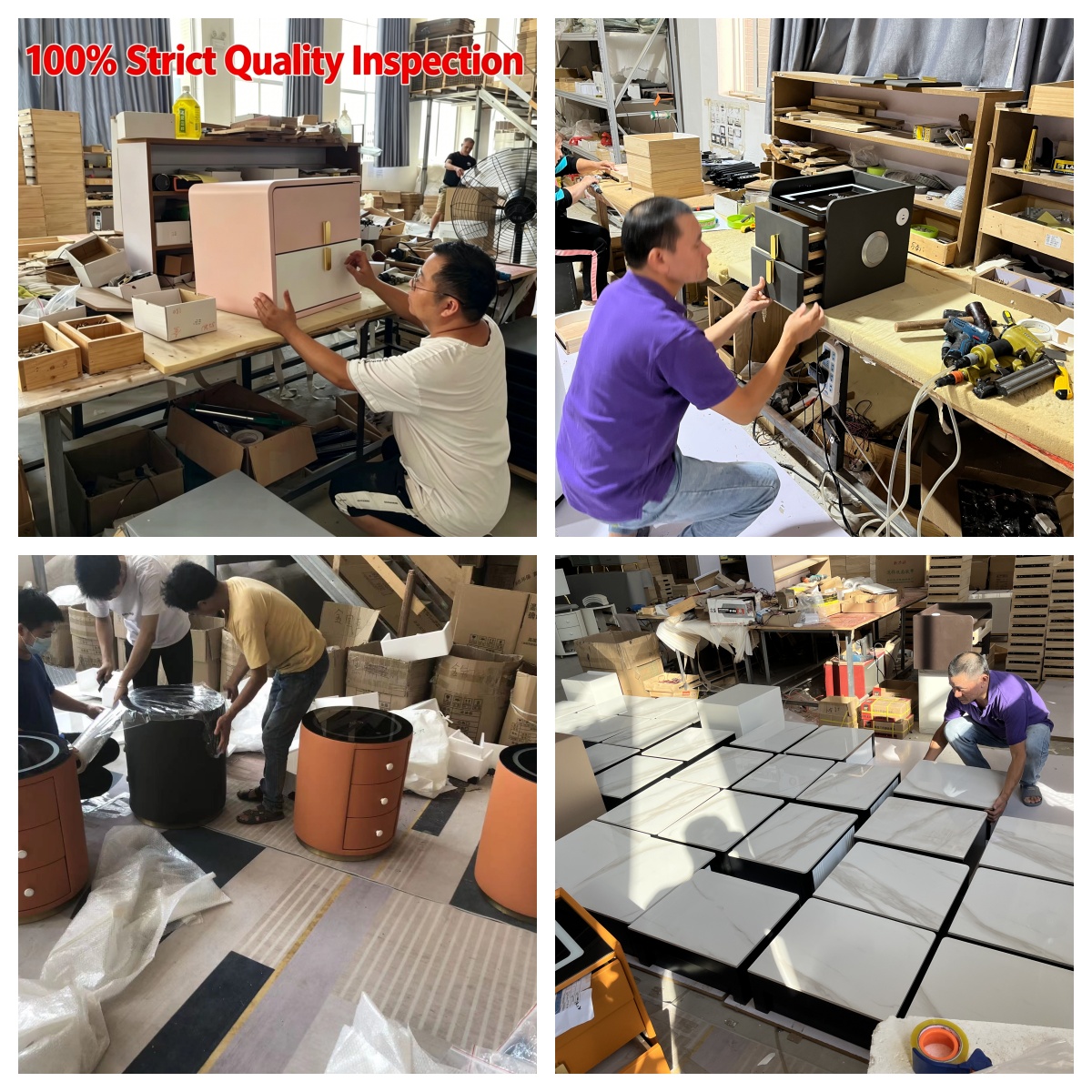
Quality should be checked throughout production, not only before shipment.
A typical inspection process includes:
Incoming material inspection
In-process quality checks
Final product inspection
Packaging inspection
For first-time cooperation or high-value orders, many importers also arrange an independent inspection before the balance payment is released.
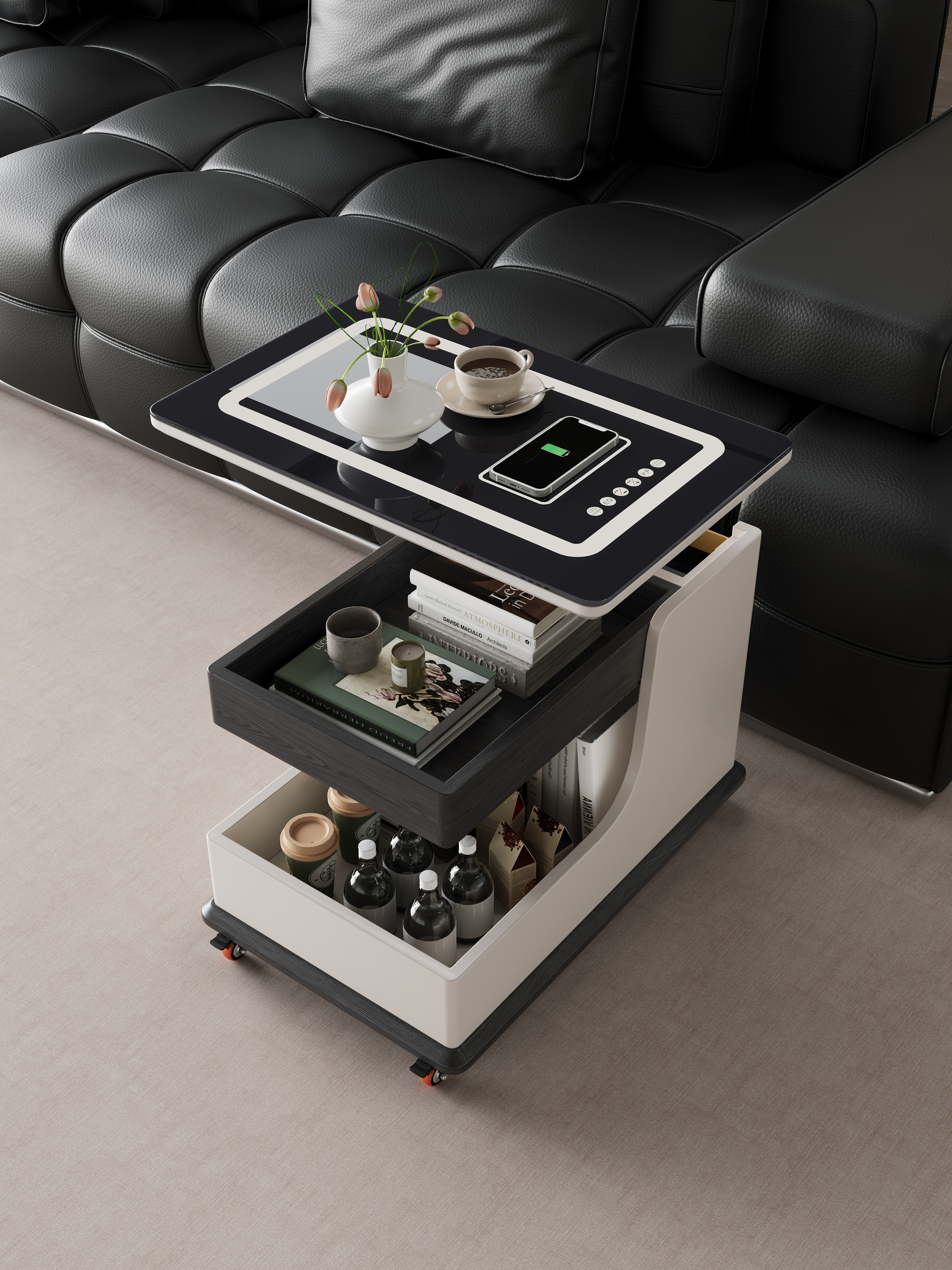
Planning a smart furniture collection? Learn how wireless charging, USB-C, LED lighting, Bluetooth speakers, and electronic locking systems are integrated into OEM bedside tables.
👉 Learn More About Smart Nightstand System
Chapter 6
Shipping and Estimating the Real Cost of Importing
The factory quotation is only one part of the total purchasing cost.
Ocean freight, customs charges, inland transportation and packaging all affect the final landed cost, so they should be considered before confirming the order.
Typical Cost Breakdown
Cost Item | Typical Share |
Product Cost | 60–75% |
Export Packaging | 3–5% |
Inland Transport | 2–4% |
Ocean Freight | 10–20% |
Insurance | Less than 1% |
Import Duties & Local Charges | Depends on destination |
The exact figures vary by country, shipment size and trade terms, but reviewing the complete cost structure helps avoid unexpected expenses after the goods leave the factory.
Make Better Use of Container Space
Freight costs are influenced not only by shipping rates but also by packaging efficiency.
Before production begins, discuss:
Carton dimensions
Flat-pack or assembled packaging
Stacking method
Container loading plan
A better loading plan may increase container capacity and lower transportation costs without changing the product itself.
Shipping Documents
Before shipment, make sure the following documents are prepared:
Commercial Invoice
Packing List
Bill of Lading
Shipping Marks
Any certificates required by the destination country
Checking these documents before departure usually makes customs clearance smoother and reduces unnecessary delays.
Not Sure Which Shipping Option Is Best?
Whether you need FOB, CIF, or DDP, we'll help you compare logistics options and estimate your landed cost before production begins.
Typical Project Timeline
Although every order is different, a standard sourcing schedule usually follows this pattern:
Stage | Typical Time |
Supplier Selection | 1–2 weeks |
Sample Development | 1–2 weeks |
Mass Production | 4–6 weeks |
Final Inspection | 2–3 days |
Shipment | Depends on destination |
Allowing sufficient time for sampling, production and inspection is generally more effective than trying to shorten every stage. A realistic schedule helps both the buyer and the supplier work more efficiently and reduces the risk of last-minute changes before shipment.
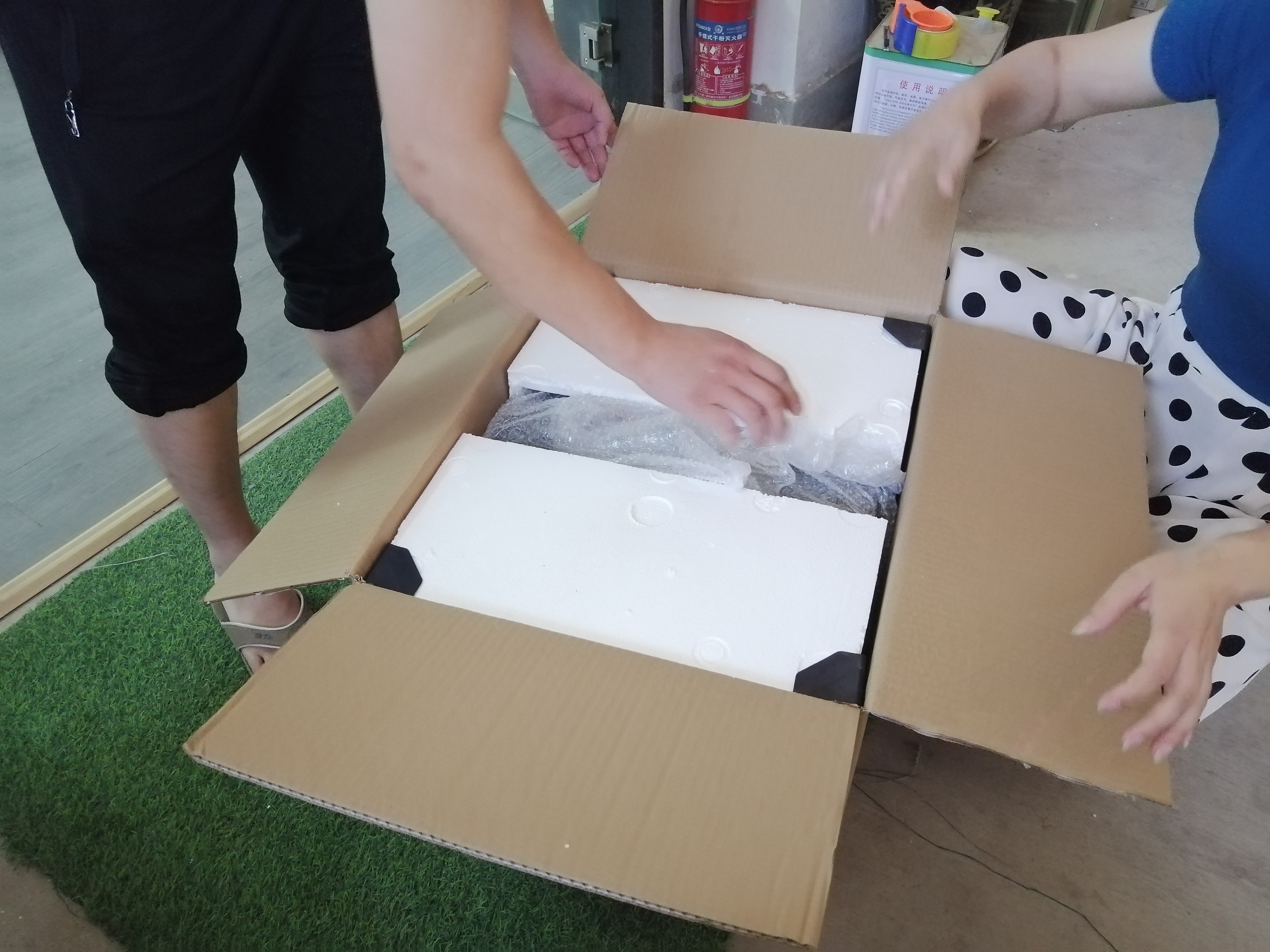
Proper packaging is one of the most effective ways to reduce shipping damage and improve container efficiency during international transportation.
👉 Learn More About Export Packaging
Case Study
A Better Result Than the Lowest Price
A furniture distributor in North America was looking for a supplier for a hotel refurbishment project involving approximately 600 bedside tables.
Three manufacturers were shortlisted. One factory offered the lowest quotation, while another proposed slightly better hardware, reinforced export packaging, and a longer quality inspection process.
After reviewing the samples, the buyer decided to proceed with the second supplier.
Before production, several details were adjusted, including upgraded soft-close drawer slides and stronger corner protection inside the export cartons. These changes increased the unit cost slightly but helped reduce damage during ocean transportation and minimized replacement requests after delivery.
The first shipment arrived on schedule, and the same product platform was later used for additional colour options in a follow-up order.
The project demonstrated a common principle in furniture sourcing: the supplier offering the best overall solution often creates more value than the supplier offering the lowest quotation.
See how one distributor reduced transportation damage and improved repeat orders through better packaging and production planning.
👉 Hong Kong OEM Furniture Project
Common Mistakes to Avoid
Importing furniture is rarely complicated, but overlooking small details can lead to unnecessary costs.
The following issues appear more frequently than most first-time buyers expect.
Choosing a Supplier on Price Alone
A lower quotation may reflect different materials, hardware, packaging, or production standards rather than genuine savings.
Always compare the complete specification before comparing prices.
Starting Without Clear Specifications
Different suppliers cannot provide comparable quotations if each receives different product information.
Clear drawings, material requirements, dimensions, and packaging details make the entire sourcing process more efficient.
Approving Production Too Early
Skipping or rushing the sample stage often leads to revisions after manufacturing has started, when changes become slower and more expensive.
Treat the approved sample as the production standard for the order.
Underestimating Packaging
Furniture is handled repeatedly during international transportation.
Well-designed export packaging protects the product, reduces claims, and often saves more money than it costs.
Leaving Quality Checks Until the End
Quality should be monitored throughout production rather than only before shipment.
Regular communication, progress photos, and final inspections help identify problems before the goods leave the factory.
Final Thoughts
Importing bedside tables from China is not simply a purchasing exercise. It is a process of selecting the right manufacturing partner, defining clear requirements, and maintaining consistent standards from sampling through to shipment.
Factories can produce similar-looking products, but differences in engineering, production management, packaging, and communication often determine whether a project runs smoothly or becomes expensive to correct later.
Taking the time to compare suppliers carefully, approve samples properly, and monitor production usually delivers better long-term results than focusing only on the initial quotation.
Every sourcing project is different, but the same principle applies: clear specifications, reliable suppliers and consistent quality management almost always produce better results than chasing the lowest quotation.
Need a Factory Quotation?
Our engineering team can help you evaluate specifications, estimate production costs, and prepare an OEM quotation based on your project requirements.
FAQ
1. Is China still the best country for importing bedside tables?
Short Answer
Yes. China remains one of the leading sourcing destinations because of its mature furniture supply chain, broad OEM capability, and competitive manufacturing costs.
Why It Matters
A well-developed supply chain makes it easier to customize products, source components, and maintain stable production.
Buyer's Recommendation
Compare suppliers based on manufacturing experience and product specialization rather than price alone.
2. What is the typical MOQ for bedside tables?
Short Answer
Most manufacturers accept 50–100 pieces per model, although requirements vary depending on the design and level of customization.
Why It Matters
MOQ influences unit cost, production planning, and packaging efficiency.
Buyer's Recommendation
If you need multiple designs, discuss mixed-model orders before requesting quotations.
3. How long does production usually take?
Short Answer
Most standard orders are completed within 30–45 days after sample approval.
Why It Matters
Lead time affects inventory planning and shipping schedules.
Buyer's Recommendation
Confirm production capacity before placing seasonal or promotional orders.
4. Should I work directly with a factory or a trading company?
Short Answer
For OEM bedside tables, working directly with a manufacturer usually provides better control over product development and production.
Why It Matters
Direct communication helps reduce misunderstandings and shortens the development process.
Buyer's Recommendation
If your project includes several furniture categories, an experienced trading company may also be a practical option.
5. What should be included in a quotation?
Short Answer
A quotation should clearly specify materials, dimensions, hardware, packaging, MOQ, lead time, payment terms, warranty, and trade terms.
Why It Matters
Incomplete quotations make supplier comparisons unreliable.
Buyer's Recommendation
Request quotations based on the same product specifications from every supplier.
6. Is a product sample really necessary?
Short Answer
Yes. A sample confirms the final product standard before mass production begins.
Why It Matters
Correcting issues during sampling is far less expensive than making changes after production starts.
Buyer's Recommendation
Approve samples in writing and use them as the production reference.
7. How can I reduce shipping damage?
Short Answer
Strong export packaging and proper container loading are usually more effective than simply choosing the lowest freight rate.
Why It Matters
Furniture may be handled multiple times during international transportation.
Buyer's Recommendation
Discuss carton strength, corner protection, and loading methods with your supplier before production.
8. Which Incoterm is best for first-time importers?
Short Answer
Many first-time buyers choose DDP because logistics and customs procedures are simpler to manage.
Why It Matters
Different trade terms determine who is responsible for transportation costs and customs clearance.
Buyer's Recommendation
If you already work with a freight forwarder, FOB is often the most flexible option.
9. How do I know whether a supplier is reliable?
Short Answer
Look beyond product photos. Review manufacturing experience, OEM capability, quality control procedures, communication, and export history.
Why It Matters
Reliable suppliers generally provide more consistent quality and smoother project management.
Buyer's Recommendation
Compare three to five manufacturers before making a final decision.
10. What is the biggest mistake when importing bedside tables?
Short Answer
Choosing a supplier based only on the lowest quotation.
Why It Matters
Small differences in materials, packaging, and quality control often create much larger costs after delivery.
Buyer's Recommendation
Evaluate the supplier's overall capability, communication, and long-term value instead of focusing only on unit price.
Ready to Source Bedside Tables from China?
Whether you're importing your first container or expanding an existing furniture collection, we're happy to review your project and provide practical manufacturing recommendations based on your product requirements.
We can assist with:
OEM & ODM development
Material recommendations
Cost estimation
Export packaging
Production planning
Smart furniture solutions