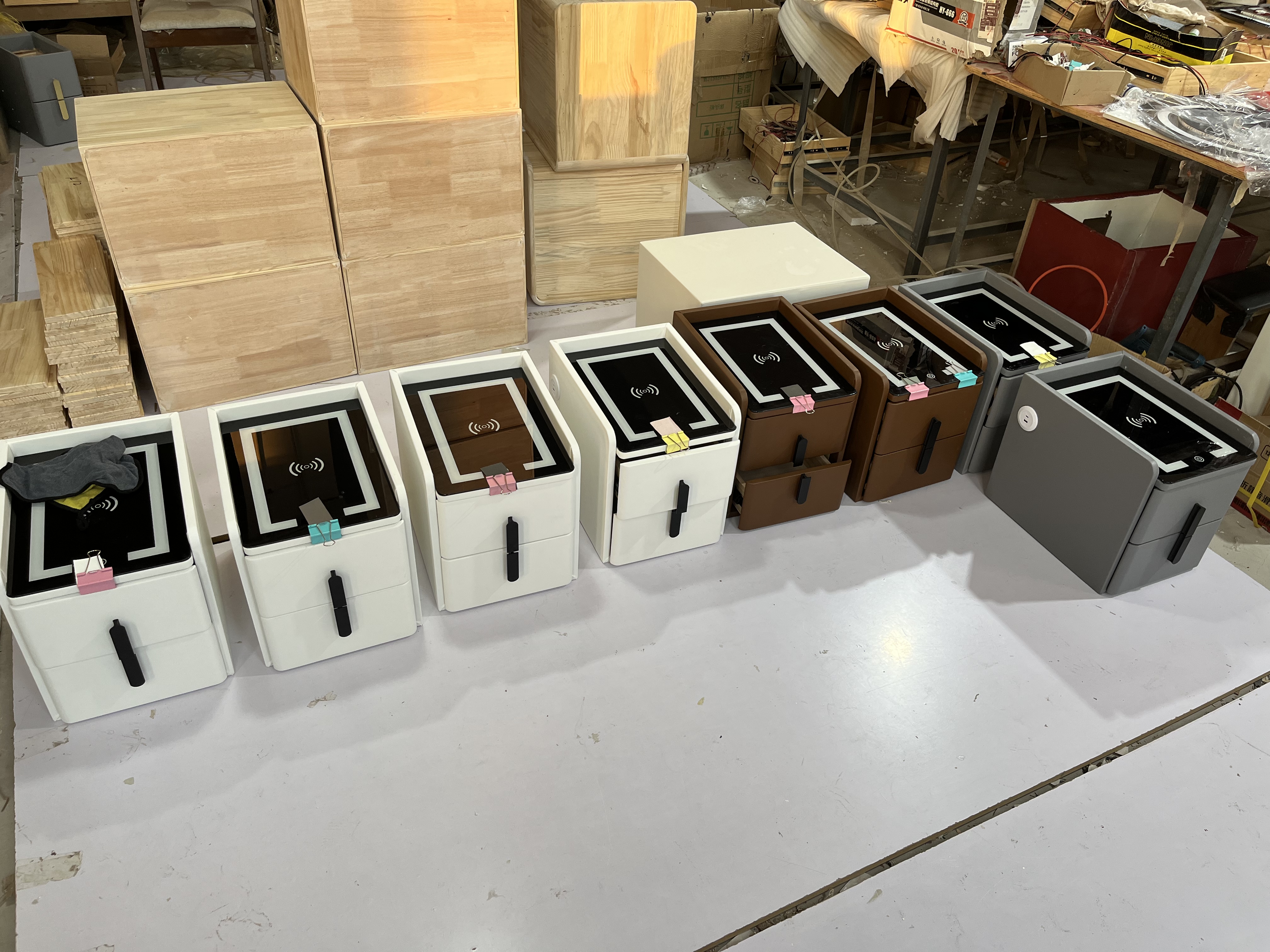
How Importers Choose Bedside Tables That Can Actually Sell
Not every good-looking bedside table deserves a place in your next order. This guide looks at how importers judge market fit, retail price, size, features, sales channels and return risk before testing a new model.
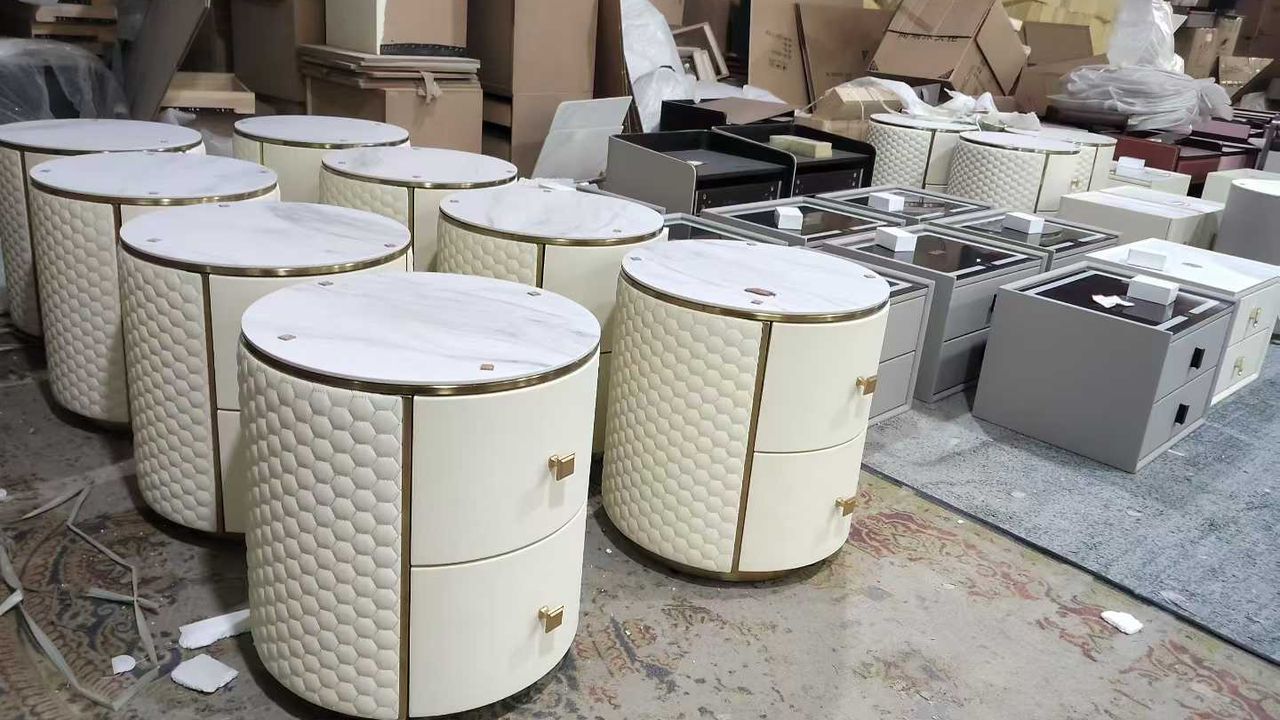
How Importers Choose Bedside Tables That Can Actually Sell
Choosing a bedside table from a factory catalog is the easy part.
There are usually plenty of good-looking options. A buyer can go through a catalog, save twenty models, compare prices and quickly narrow the list down to five or six.
The harder part comes next: deciding which of those products are actually worth importing.
A model may look excellent in photos and still struggle once it reaches the market. It may end up at the wrong retail price. It may be too large for the bedrooms it was intended for, or so small that customers feel disappointed when they see it in person. Perhaps it has several smart functions, but none of them matter enough to justify the higher price.
Then there are products that sell but cause problems afterwards—damage, difficult assembly, returns or electronic failures. Those are not necessarily good products for the business either.
No buyer can know for certain which new nightstand will become a bestseller. What you can do is rule out some of the weaker choices before committing too much inventory.
A useful place to start is with one question:
After defining the product direction, choosing an experienced OEM bedside table manufacturer is the next step to turn the design concept into a production-ready product.
👉 OEM bedside table production process
Why would our customer buy this bedside table at the price we need to sell it?
If there is a convincing answer, the product is worth looking at more closely.
What Makes a Bedside Table Worth Importing?
For most importers, a bedside table becomes an interesting product when several things line up at the same time.
There should be a customer for it. The eventual retail price needs to make sense. Its size should suit the bedrooms it is being sold for. Customers should have some reason to choose it over similar products, and the product also needs to work for the way you sell—whether that is online, through furniture stores, distributors or projects.
Before putting a new model into an order, we would look at questions like these:
Area | What to Ask |
Customer | Who would realistically buy this model? |
Market | Is there demand, or a gap worth testing? |
Price | Can it reach a sensible retail price? |
Size | Will it work in the bedrooms we are targeting? |
Product | Why would someone choose it over similar models? |
Sales channel | Does it suit the way it will actually be sold? |
Risk | Are delivery, returns and after-sales manageable? |
None of these questions predicts sales on its own. Together, however, they give a much better picture than choosing a product mainly because the design looks new.
1. Start With What Is Already Selling
If you already sell bedroom furniture, your own sales history is usually more useful than another trend report.
Look at the bedside tables customers reorder. Check which finishes move without constant promotion. Notice where the stronger price points are. It is also worth looking at products that seemed promising when you bought them but have been sitting in stock longer than expected.
When entering a new market, you obviously do not have that history. In that case, look at the businesses already selling to the customers you want.
Visit local furniture retailers. Check the major online stores and marketplaces. Look at products in roughly the same price position you are considering.
You will normally start seeing patterns.
Perhaps compact two-drawer nightstands appear repeatedly. Maybe natural wood finishes dominate the middle of the market while upholstered models sit higher. In another market, charging functions may already be common enough that customers no longer see them as particularly unusual.
Do not only look at what appears on the first page.
Discounting tells you something too. A product that is permanently reduced by 30% should not automatically be treated as evidence that its original price works.
The purpose of this research is not to find a bestseller and ask a factory to copy it.
You are trying to understand what customers already accept: the sizes, styles, functions and price positions they are familiar with.
Once that baseline is clear, new products become much easier to judge.
2. Customer Complaints Can Be More Useful Than Bestseller Lists
A popular product tells you there is demand. Its weaker reviews can tell you what is still missing.
This is why it is worth reading beyond the five-star comments.
Suppose a nightstand sells well and customers like its clean design, but the same complaint appears repeatedly:
“Much smaller than I expected.”
That is useful information.
Or perhaps buyers like the appearance but complain that the drawer is too shallow. Another product may receive good comments on price but poor feedback on assembly. A nice-looking model may regularly arrive with damaged corners.
One negative review proves very little. Twenty customers complaining about the same thing deserve attention.
This is where competitor research becomes more useful for product selection.
Instead of thinking:
“This model sells well. We should find something similar.”
you can start asking:
“What do customers like about it, and what would they change?”
Sometimes the opportunity is surprisingly simple.
A popular compact nightstand may need slightly better storage. A good-looking budget model may have room for a modest finish upgrade. A product with strong demand may simply need packaging or assembly to be handled better.
You do not need to redesign every competitor product you find. The point is to look for problems that appear often enough to suggest a real gap.
Bestsellers show where customers are spending money.
Complaints often show where there is still room to do better.
Choosing the right packaging solution starts with choosing an experienced OEM partner. A professional bedside table manufacturer should understand not only production, but also product development, quality control, packaging and international shipping requirements.
👉 OEM bedside table manufacturer in China
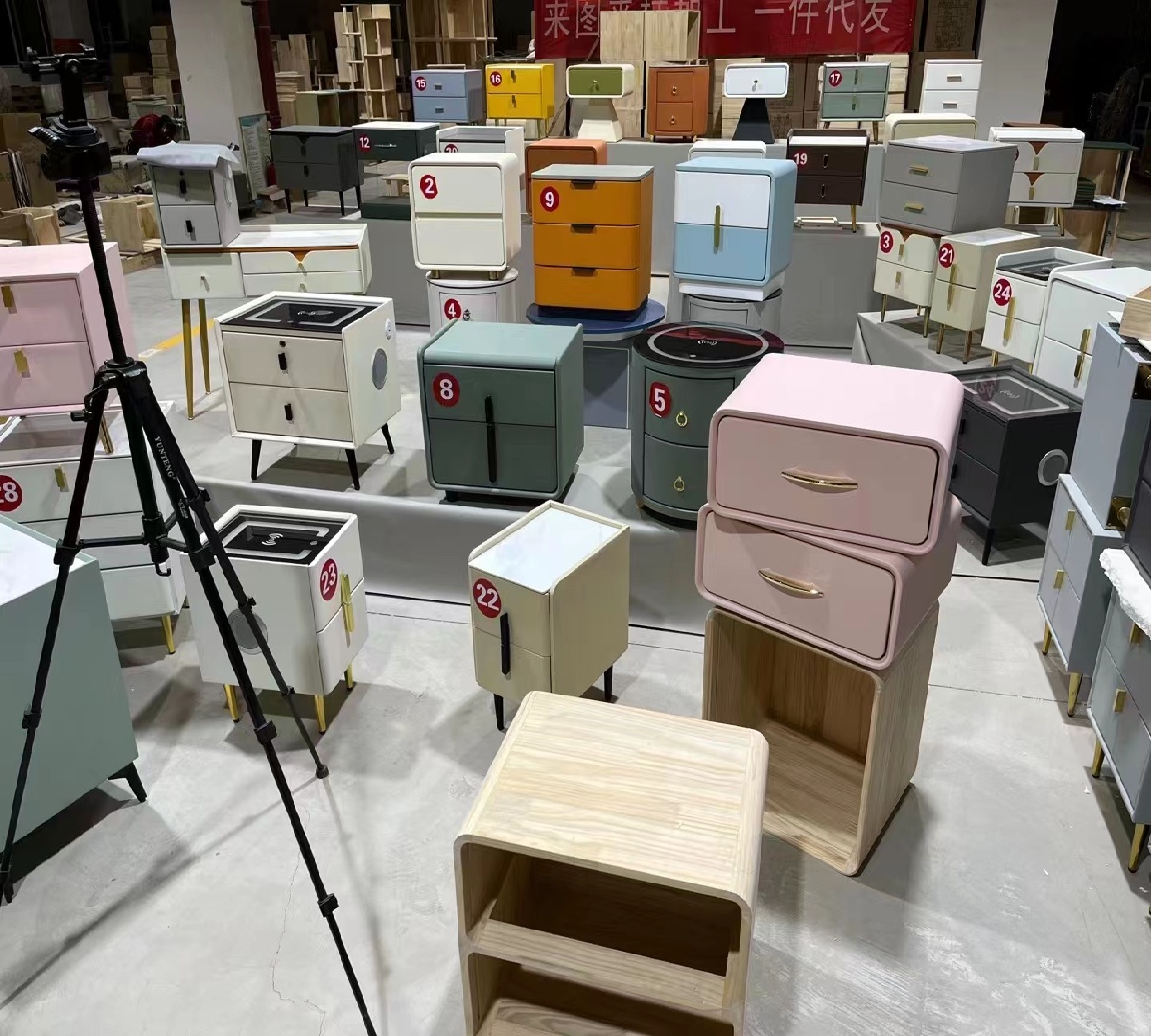
3. Who Would Actually Buy This Model?
Once you have a model in mind, describe its likely customer in one sentence.
Not:
“People who need a bedside table.”
Something more useful would be:
“Apartment customers who want two drawers but don't have much space beside the bed.”
Or:
“Customers looking for a more premium bedroom feel without moving into luxury furniture pricing.”
For a smart model, it could be:
“Customers who want charging beside the bed and are willing to pay a little more for it.”
You do not need to create a complicated customer persona.
The exercise simply forces you to think about the product from the other side of the transaction.
If a model is supposed to appeal to a price-sensitive customer but its specification keeps pushing the retail price upward, something is wrong.
If it is intended for small apartments but the cabinet is unusually wide, the positioning does not hold together either.
Mainstream products can serve a broad audience. That is perfectly fine. “Broad appeal,” however, is different from having no idea who the product is for.
If you cannot picture the likely customer, it is worth doing more market work before placing the order.
4. Work Backward From the Retail Price
A factory quote can make a product look very attractive.
The problem is that your customer never sees the factory quote.
They see the retail price.
By the time a bedside table reaches that point, the business may also have paid for freight, import costs, warehousing, distribution and selling expenses. An online seller may have marketplace and fulfilment costs as well.
You still need enough margin for the product to be worth carrying.
This can move a bedside table into a completely different competitive position.
Take a fairly simple contemporary nightstand. At the factory price, it looks like good value. After working through the real selling cost, you discover that it needs to retail alongside products with noticeably better finishes, stronger designs or established brands.
The supplier may not be overpriced at all.
You simply have a product that cannot defend the retail position it needs.
That is why we prefer to work backward whenever possible.
Look first at what comparable products sell for in the target market. Then ask whether your product can reach that price while still giving the customer a good reason to choose it and leaving enough room for the business.
A good buying price cannot rescue the wrong retail position.
5. Why Would Someone Choose This One?
This is probably the simplest test we use when discussing a new model:
Customers would choose this bedside table because ________.
Try to finish the sentence without using vague words such as nice, modern or stylish.
Perhaps the answer is:
“…because it gives them useful two-drawer storage without taking up much space.”
Maybe:
“…because the finish makes it look more expensive than other products around the same retail price.”
For another product:
“…because charging is built into a bedside table that still looks like normal bedroom furniture.”
Those are actual buying reasons.
They do not need to be revolutionary.
In furniture, being familiar can be a strength. Plenty of customers are not looking for a nightstand they have never seen before. They want one that looks right beside the bed, provides enough storage, fits the available space and feels worth the price.
For online products, there is another quick check worth trying.
Imagine a shopper sees only the main image and the price for three seconds.
What do they notice first?
Can they understand anything useful about the product immediately?
And if there are ten similar nightstands on the page, what might make them click yours?
If the answer depends on reading six paragraphs of product description, the selling point may not be very strong.
There is no need to make a product strange just to make it different.
But there should be something you can point to and say:
This is why this model makes sense for our customer.
For brands planning to develop their own bedside table collection, understanding the private label development process can help reduce product development risks.
👉 private label bedside table development
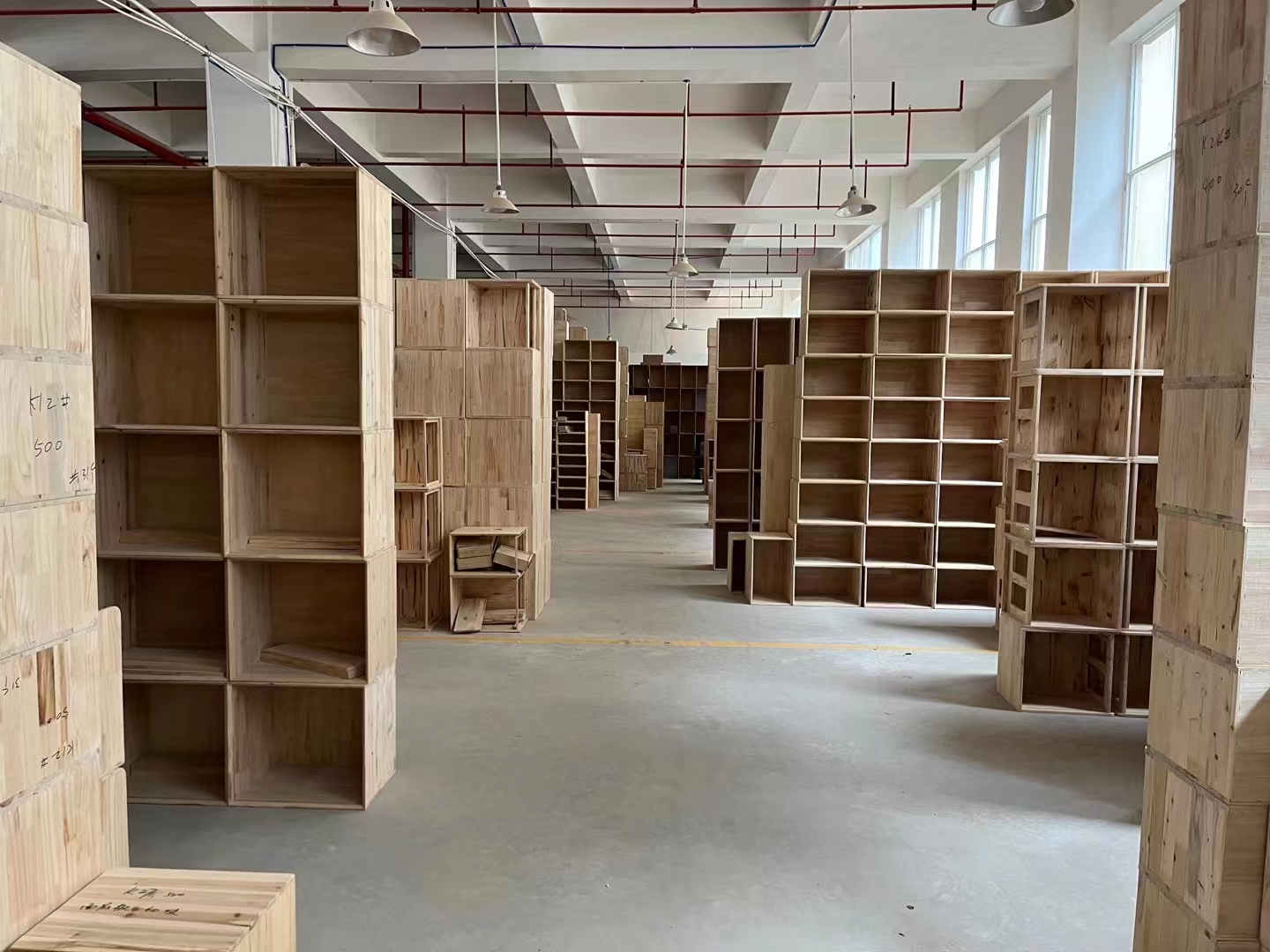
6. Do Not Judge Size From the Product Photo
Furniture photography can be deceptive.
A small nightstand can look substantial when photographed on its own. A wide model can look perfectly balanced in a large styled bedroom and then feel oversized beside a customer's actual bed.
So once a model makes the shortlist, stop looking only at the image and start looking at the numbers.
Width is the obvious one, but depth and height matter too.
A deep bedside table may reduce the walking space between the bed and other furniture. A very low cabinet may look awkward next to a higher mattress. A narrow product can solve a genuine space problem, but make it too narrow and customers may find the top or drawer less useful than expected.
Internal dimensions matter as well.
Two products can both be described as “two-drawer nightstands” while offering very different usable storage.
For an unfamiliar market, we find it useful to put the actual dimensions into a typical room rather than discussing them only on a specification sheet.
How much space is normally available beside the bed?
How high is the mattress?
Will a wardrobe door still open?
Is there enough top space for a lamp, phone and whatever else customers normally keep beside the bed?
A nightstand designed for a compact city apartment does not have to solve the same problem as one intended for a large suburban bedroom.
Size is part of the product idea, not something to confirm at the end.
7. More Features Do Not Automatically Make a Better Product
It is easy to add features to a bedside table.
The more useful question is whether they improve the product.
Even before smart functions are considered, storage choices make a difference. One drawer and an open shelf serve a different customer from a three-drawer cabinet. Neither is automatically better.
The same applies to electronics.
Wireless charging, USB or Type-C charging, LED lighting, Bluetooth speakers and locking drawers can all be useful. We manufacture products with these functions, but that does not mean we would recommend putting all of them into every model.
Each feature has to earn its place.
Would the customer notice it?
Is the benefit obvious?
Does it help justify the retail price?
And, particularly with electronics, is the extra complexity worthwhile for this customer and sales channel?
Wireless charging is easy to demonstrate and can make sense in a contemporary smart nightstand. A Bluetooth speaker may be attractive for one market and largely irrelevant in another.
If adding another function raises the cost but does very little to improve the customer's reason to buy, leaving it out may result in a stronger product.
A shorter specification is not necessarily a weaker specification.
Sometimes it simply means the product has been edited properly.
8. Where You Sell Changes What Makes a Good Product
A customer standing in a furniture store can touch the surface, open a drawer and immediately understand the real size of the bedside table.
An online customer cannot.
That difference changes the product decision more than it first appears.
For a physical furniture retailer, finish quality, drawer feel, proportions and how the nightstand coordinates with other bedroom pieces can have a strong influence on the sale.
For e-commerce, the product has another job: it needs to survive being sold through images and delivered in a carton.
Can the main selling point be shown clearly in photographs?
Will customers understand the dimensions?
Is assembly straightforward?
Can the packaging cope with individual delivery?
Could a detail that looks attractive in a showroom become a frequent damage point in parcel distribution?
A distributor has another set of concerns. The product may need broad enough appeal to work for several retail customers rather than one very specific audience.
Project buyers have different priorities again. Repeatability, durability and consistency tend to matter more when the same model is being used across many rooms.
This is why asking for “the bestselling bedside table” without any other context is not particularly useful.
A strong product for one channel can be an awkward product for another.
9. A Trend Is a Reason to Look, Not a Reason to Buy 500 Pieces
Furniture buyers need to watch trends. Ignoring them completely is not sensible.
But social attention and sales demand are not the same thing.
A particular color, curved shape, retro detail or unusual finish may suddenly appear everywhere on Pinterest, Instagram and interior design websites.
That tells you the design direction is getting attention.
It does not tell you how many your customers will buy.
Before turning a trend into an order, look closer.
Are retailers in your market actually stocking products in that direction?
Are customers buying them at the price you need?
Does the style work with the rest of the bedroom furniture your customers already purchase?
And is it something you want to stock heavily, or simply a product worth testing?
Some trends become mainstream. Others work beautifully in photographs and remain niche.
There is nothing wrong with being early.
Just separate these two decisions:
“This is interesting enough to test.”
and:
“We have enough evidence to buy it in volume.”
They are not the same decision.
If you need to work backward from a target retail price, see our bedside table pricing guide for a closer look at factory pricing, specification differences, and landed-cost considerations.
10. Selling the Product Is Only Half the Story
One question that gets overlooked during sourcing is:
What happens after the customer receives it?
A bedside table can generate plenty of orders and still turn into a frustrating product for the importer.
Maybe customers regularly say it is smaller than expected.
Perhaps assembly causes problems.
A drawer may need too much adjustment. An exposed corner may be vulnerable during delivery. The actual finish might not match what customers thought they saw online.
Smart models add another consideration: electronic functions need to continue working after the excitement of the initial sale.
None of this means avoiding products with assembly, delicate finishes or electronics. It means including the after-sales experience when judging whether the SKU is commercially successful.
This matters particularly online.
A product with a healthy gross margin can look much less attractive after repeated replacements, returns and customer-service costs are taken into account.
We would rather see a model sell steadily and come back for repeat orders than sell quickly for a short period while creating problems after delivery.
A sale is good.
A sale that stays sold is better.
11. Let the First Order Teach You Something
Research can remove obvious mistakes, but eventually the market has to answer the question.
That is what the first order is for.
Pay attention to more than the number of units sold.
Did customers accept the planned retail price, or did the product only move after discounting?
Which finish received more interest?
Did customers understand the feature you thought would be the main selling point?
Were there repeated questions about size?
What happened after delivery?
And when stock became low, was there enough demand to justify ordering again?
Sometimes the answer is straightforward: the product works, so the next order can be larger.
Sometimes the product is close. Customers like it, but one detail keeps coming up in feedback. That may be a good candidate for adjustment.
Other models simply do not work as expected.
There is no need to defend a product because you chose it.
Not reordering a weak SKU is part of good buying.
The first order should give you two things: products to sell and information for the next decision.
12. A Simple Way to Review a New Bedside Table
There is still judgment involved in furniture buying. No scorecard can remove that, and it should not try to.
What a scorecard can do is make the reasoning visible.
Before approving a new model, give each question a score from 1 to 5.
Question | Score |
Can we clearly describe the customer for this product? | 1–5 |
Do we see demand or a market gap worth testing? | 1–5 |
Can the product reach a sensible retail price? | 1–5 |
Is there a clear reason to choose it over similar products? | 1–5 |
Do the dimensions work for the intended market? | 1–5 |
Are the storage and features genuinely useful? | 1–5 |
Does it suit our sales channel? | 1–5 |
Are delivery and after-sales risks reasonable? | 1–5 |
If the test works, would we have a good reason to reorder it? | 1–5 |
A product scoring somewhere in the upper 30s or 40s probably has a reasonably clear case for testing.
A score in the high 20s or low 30s is more interesting for another reason: look at where the points were lost. Perhaps the product is strong but the retail price does not work. Maybe the design is attractive but you still cannot identify the customer.
A low score does not prove that a product will fail, just as a high one cannot predict a bestseller.
The value of the exercise is the discussion behind the number.
If your team can explain the customer, price, dimensions, buying reason, channel and risks, there is some commercial thinking behind the decision.
That is a better starting point than:
“We all liked this one in the catalog.”
Choose for the Market, Not for the Catalog
Good furniture buyers do develop an instinct for products. After looking at enough designs, markets and customer feedback, experience starts to tell you when something feels promising.
That instinct is useful. It is even more useful when the numbers and the market support it.
So when the next factory catalog arrives, “Do I like this model?” can still be the first reaction.
It just should not be the last question.
Ask who will buy it. Look at where the retail price lands. Check the actual dimensions. Be clear about what makes the product worth choosing. Think about how it will be sold and what could happen after delivery.
A bedside table does not need to be unusual to sell well. In many markets, the stronger product may be the one that simply gets the important things right: proportion, storage, appearance, price and everyday use.
The best model in a factory catalog is not always the best model to import. A better choice is the one your customers have a reason to buy—and you have a reason to order again.
Start Your OEM Bedside Table Project
Tell us your product requirements, target market and order quantity. Our team will help evaluate product design, packaging method and export solution.
👉 Send Your Project Requirements
Quick Answer: What should importers look for when choosing bedside tables for resale?
Look at the customer, the market, the final retail price, the actual dimensions, the reason to buy, the sales channel and what could happen after delivery.
A good-looking bedside table is easy to find. A commercially useful one is harder. It needs to make sense not only when you see it in a factory catalog, but also when your customer sees it beside competing products at the final selling price.
And after the first order, there is one more test that matters:
Would you want to order it again?
FAQ: Choosing Bedside Tables for Resale
1. How do importers choose bedside tables that are likely to sell?
Most buyers start with the market rather than the factory catalog.
They look at what is already selling, where the main retail price points sit, what customers complain about, and whether the new model brings anything useful to the existing market. Size, storage, finish and features all matter, but they need to make sense for the customer the product is intended for.
Before ordering, it is also worth asking what happens after the sale. A model that looks promising but is difficult to deliver, assemble or support may not be as attractive as it first appears.
2. What makes a bedside table easier to sell?
Usually, several fairly ordinary things coming together.
The size feels right beside the bed. There is enough useful storage. The design is easy to understand and works with the rest of the bedroom. Most importantly, the product still feels like good value at its final retail price.
A nightstand does not have to be unusual to sell well. In many markets, getting the basics right is more important than having the longest feature list.
3. How can I tell if a nightstand will sell in a new market?
You cannot know for certain until customers actually see and buy it.
What you can do is reduce the guesswork. Look at comparable products in the target market, their retail prices, dimensions, finishes and customer feedback. Pay particular attention to problems that appear repeatedly in reviews.
That gives you a much better starting point than choosing models based only on what looks attractive in a supplier catalog.
4. Should I source products similar to current bestselling nightstands?
Bestsellers are worth studying, but copying them is rarely enough.
Try to understand why customers are buying the product. Then look at what they do not like about it.
If a popular model receives repeated complaints about shallow drawers, small dimensions or difficult assembly, that feedback may be more useful than the bestseller ranking itself.
The opportunity could be a familiar product that solves one of those problems better.
5. How important is retail price when selecting a bedside table?
Very important, because the customer compares retail prices—not factory quotations.
A bedside table may look competitive when you first receive the supplier's price. After freight, import costs, warehousing, selling expenses and your required margin are included, it may end up competing with much stronger products.
We would therefore look at the likely selling price fairly early in the selection process.
A useful question is:
Would we still choose this model if we saw it in a store at the price we need to charge?
6. What bedside table size sells best?
There is no single size that works everywhere.
A narrow nightstand can make sense in apartments where bedside space is limited. A larger model may work better in markets where customers expect more storage and have larger bedrooms.
Photos are particularly misleading here. Before selecting a model, check the actual width, depth and height against a realistic bedroom layout and the type of bed your customers normally use.
7. Do more features help a bedside table sell?
Sometimes, but only when customers care about them.
Wireless charging or USB/Type-C charging can give a smart nightstand an obvious practical benefit. LED lighting, speakers or locking drawers may also be useful for particular customers.
The problem comes when features are added simply because the factory can provide them.
Every extra function adds something to the specification, and often to the cost as well. If the customer barely notices the benefit, it may not be worth adding.
8. Should I choose a smart nightstand or a standard bedside table?
That depends on who you sell to.
If your customers mainly care about appearance, storage and price, a well-designed standard nightstand may be the stronger choice. If charging and other bedside functions are already familiar to your market, a smart model can give customers another reason to trade up.
We would not choose between the two categories in isolation. The better product is the one that makes sense at the retail price your customer will actually see.
9. How do importers find gaps in the bedside table market?
One useful place to look is in the complaints about products that already sell well.
Perhaps customers like a compact model but repeatedly say there is not enough storage. Maybe they like the appearance of another nightstand but dislike the assembly. Or there may be plenty of low-cost and premium options but very little in between.
These are not automatic product opportunities, but they are good questions to investigate.
A market gap is often something small and practical rather than a completely new furniture concept.
Developing a Smart Nightstand Project?
Smart furniture requires both manufacturing experience and electronic protection planning. Our team can help evaluate packaging requirements for wireless charging, LED and smart functions.
👉 Discuss Smart Furniture Project
10. Does the sales channel change which bedside table I should choose?
Quite a lot.
In a furniture store, customers can touch the finish, open the drawers and judge the size for themselves. Online, the same product has to communicate those qualities through photographs, dimensions and product information.
E-commerce also makes packaging, delivery damage, assembly and returns more important.
A distributor may prefer products with broader appeal across several retail customers, while a project buyer will usually look at the product from another angle again.
So a model that works very well in one channel may not be the best choice for another.
11. Should I follow furniture trends when choosing new bedside tables?
Trends are useful for finding ideas to investigate.
If a particular shape, finish or color starts appearing frequently across furniture stores and social media, it is worth paying attention. What we would avoid is treating that attention as proof of demand.
A product can photograph extremely well and still remain a niche item.
Use trends to decide what deserves a closer look. Let actual customer response decide whether it deserves more inventory.
12. Can a bedside table sell well and still be a bad product for an importer?
Yes.
A model may generate orders but also bring frequent returns, damage claims, assembly complaints or replacement costs. Another product may only sell when it is heavily discounted.
That is why unit sales alone can be misleading.
A healthier SKU is one that customers buy at a workable price, receive without too many problems and give the importer a good reason to reorder.
13. How should I test a new bedside table before ordering larger quantities?
Use the first order to learn what customers actually think of the product.
Watch whether it sells at the intended price or needs discounting. See which finishes attract more interest. Pay attention to questions about size, storage or functions, and keep an eye on what happens after delivery.
If the product sells steadily and the same problems do not keep coming back, you have much better evidence for the next order.
The first order should give you information as well as inventory.
14. What should I check before adding a new bedside table SKU?
Before placing the order, we would want reasonably clear answers to a few questions:
Who is likely to buy it?
What tells us there is demand—or a gap worth testing?
Where will the final retail price sit?
Why would someone choose this model over similar products?
Are the dimensions right for the intended customer?
Do the storage and features add useful value?
Does it suit the way we sell?
Could delivery, returns or after-sales become a problem?
If the first test works, would we want to order it again?
You do not need perfect answers to every question. But if several are difficult to answer, the product probably needs more work before it needs more inventory.
Start Your OEM Bedside Table Project
Whether you are sourcing standard bedside tables, smart nightstands or custom hotel furniture, our team can help with product development, sampling, production and export logistics.
✔ OEM & ODM Service
✔ Smart Nightstand Solutions
✔ Low MOQ Available
✔ Sample Support
✔ Export Experience
👉 Get OEM Quote Within 24 Hours