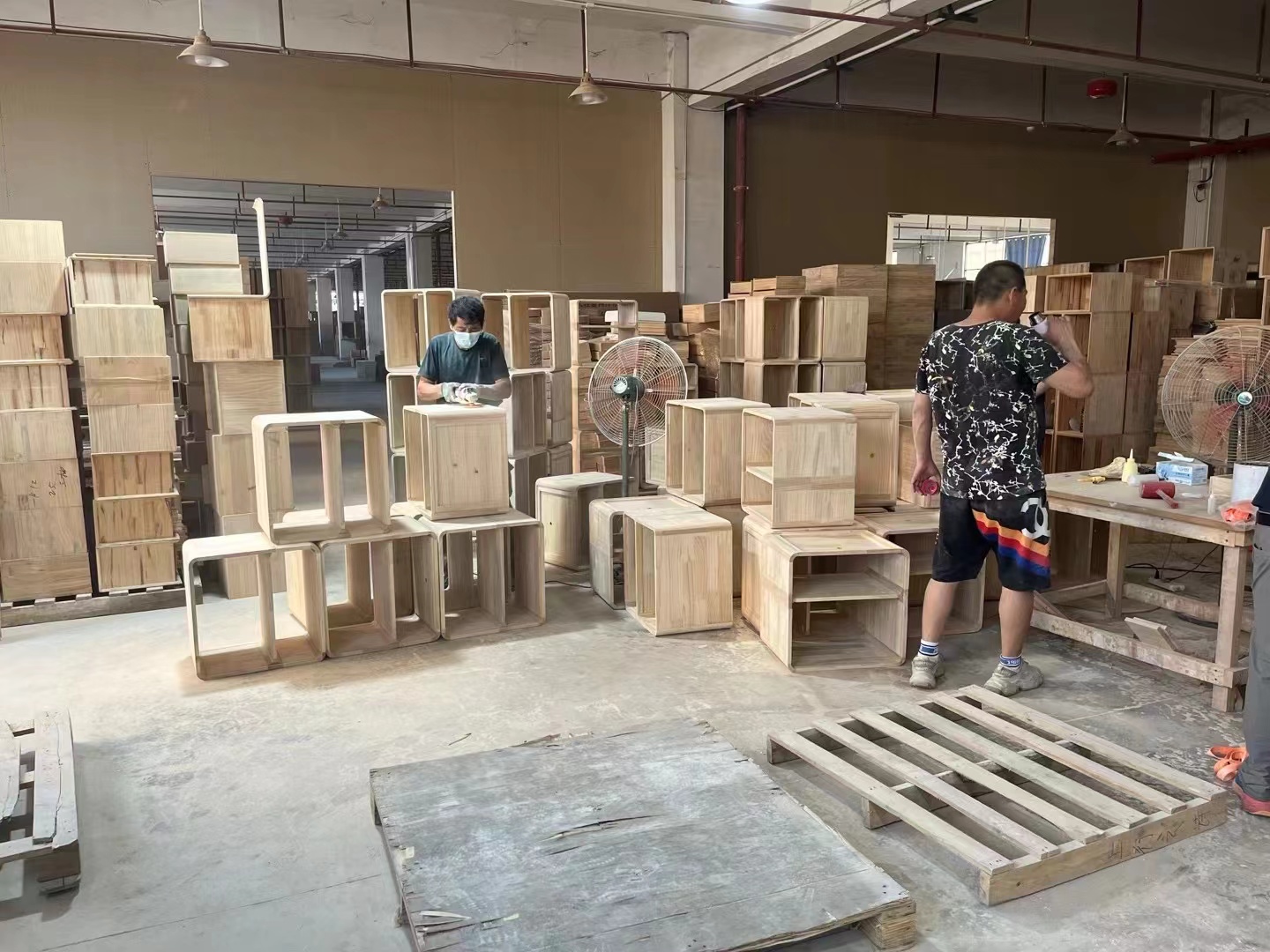
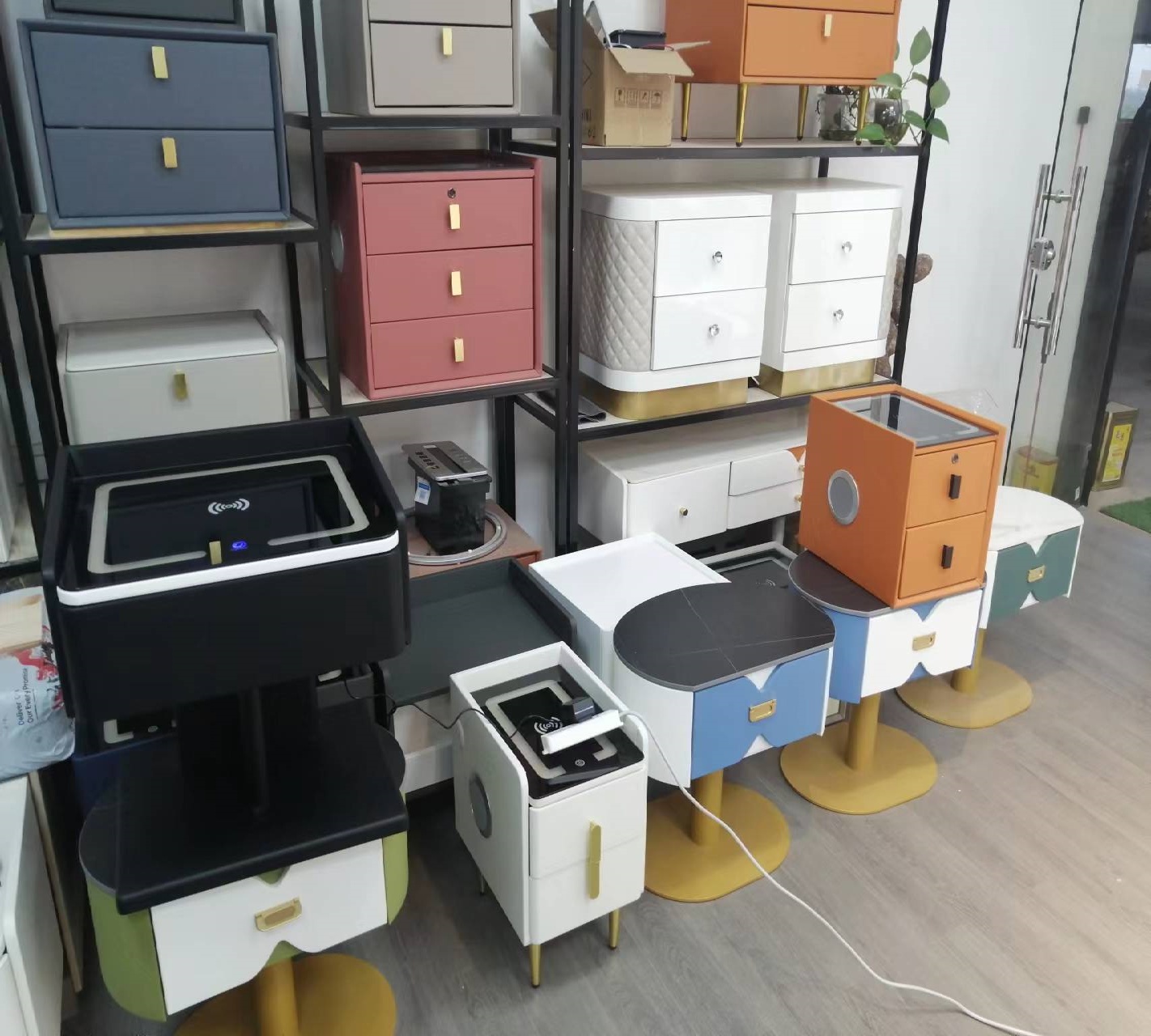
OEM Bedside Table Order Workflow: How to Reduce Risk, Control Quality, and Avoid Delays
Placing an OEM bedside table order is only the beginning. Learn how experienced buyers reduce sourcing risks, approve samples, control quality, manage smart nightstand projects, and avoid costly production delays before shipment.
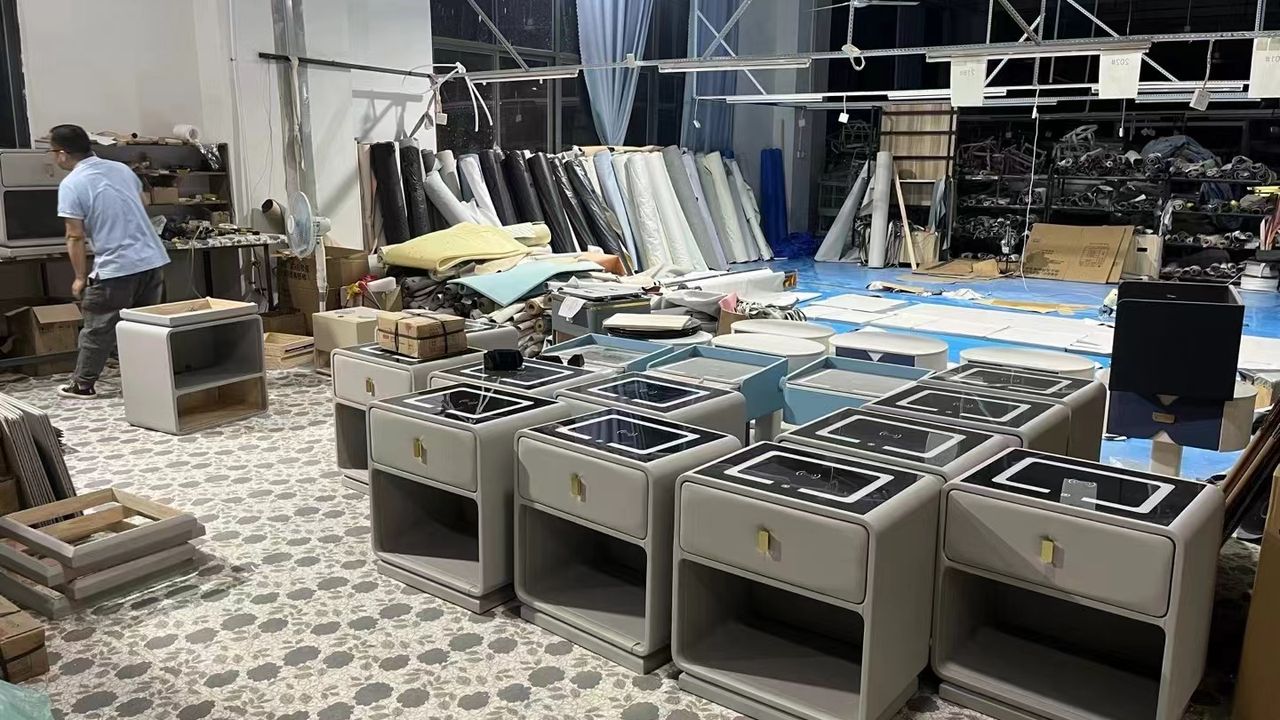
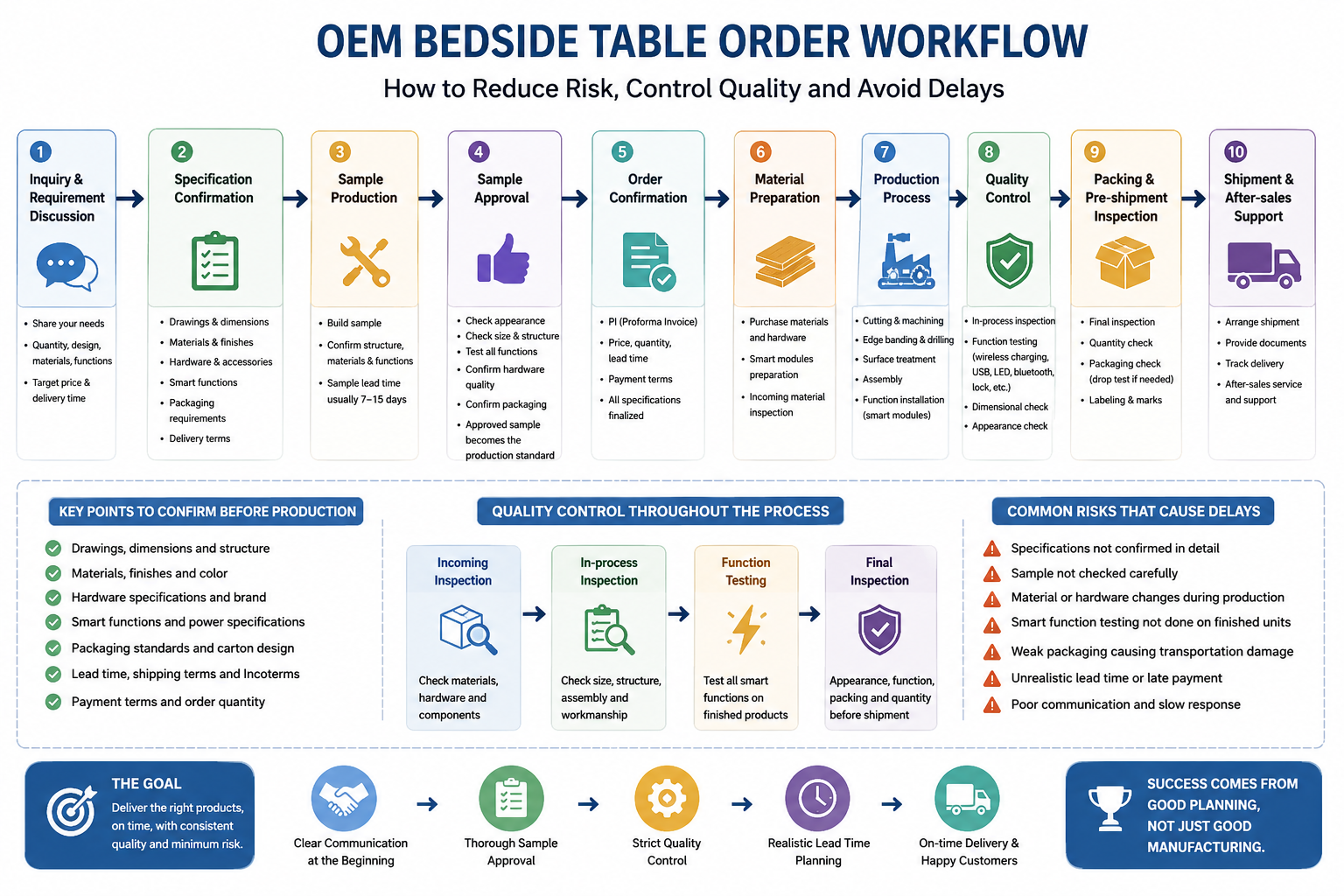
OEM Bedside Table Order Workflow: How Buyers Can Reduce Risk, Control Quality and Keep Production on Schedule
Introduction
Many buyers think the hardest part of an OEM project is finding a factory.
In reality, most delays, quality issues and unexpected costs appear after the order has been confirmed.
A bedside table may look like a simple product, but once production starts, materials, hardware, packaging, quality control and delivery schedules must all work together.
For smart nightstands, the process becomes even more complex because electronic functions such as wireless charging, USB ports and LED lighting must also be tested and managed.
Understanding how an OEM bedside table order moves from approval to shipment helps buyers reduce risk, improve communication and avoid costly mistakes.
This guide explains what buyers should focus on before production starts, during sampling, throughout production and before shipment.
Many sourcing problems can be avoided before production even starts. If you are still comparing suppliers, materials and customization options, our detailed guide on OEM Bedside Table Manufacturing in China explains how buyers evaluate factories, compare capabilities and choose the right OEM partner.
Anchor Text
👉 OEM Bedside Table Manufacturing in China
Why This Matters for Furniture Buyers
Many OEM furniture projects fail for reasons that have nothing to do with manufacturing capacity.
In many cases, the root cause is poor project planning, incomplete specifications or late changes after production has already started.
For importers and furniture brands, understanding how an order moves through the factory helps reduce several common risks:
Production delays
Material inconsistencies
Hardware quality issues
Smart function failures
Shipping damage
Unexpected costs
The goal is not simply to understand how furniture is made.
The goal is to ensure the final products arrive on time, meet quality expectations and perform consistently in the market.
Before Production Starts: What Buyers Must Confirm
Many production problems can be traced back to one simple issue:
Something important was never clearly confirmed at the beginning.
Most factories can manufacture a bedside table. The challenge is making sure the factory produces exactly the bedside table the buyer expects.
Before production starts, buyers should make sure all key details are fully agreed upon. This includes product dimensions, materials, hardware, smart functions, packaging requirements and delivery expectations.
For example, saying "wood veneer finish" may sound clear, but different veneer species, colors and grain patterns can produce very different results. The same applies to hardware. Two bedside tables may look identical in photos while using completely different drawer slides, handles or lock systems.
Smart nightstands require even more attention. Functions such as wireless charging, USB charging, LED lighting or fingerprint locks should be confirmed in detail rather than discussed in general terms. Small differences in specifications can affect both production and testing requirements later.
Packaging is another area that buyers often underestimate. Many transportation problems can be avoided simply by confirming packaging requirements before production begins instead of after the goods are finished.
In our experience, projects tend to run smoothly when expectations are clear from the beginning. The more questions answered before production starts, the fewer surprises appear later. A few extra days spent confirming details at the start of a project can often save weeks of delays and unnecessary costs further down the line.
Why Sample Approval Is the Most Important Stage
If there is one stage in an OEM project that should never be rushed, it is sample approval.
Many buyers spend a lot of time negotiating prices but only a short time reviewing the sample. In practice, experienced buyers often do the opposite. They know that a few extra days spent checking a sample can prevent weeks of problems later.
Once a sample is approved, it effectively becomes the reference standard for mass production. The factory will purchase materials, arrange production and conduct quality inspections based on that approved version. If something is overlooked during sampling, there is a good chance the same issue will appear throughout the entire order.
That is why sample approval is not simply about checking whether the product looks attractive. It is about confirming that the factory, the buyer and the final market all have the same expectations.
A Real Cost of Poor Sample Approval
We once worked with a customer who approved a veneer sample based only on photos.
When the bulk order arrived, the veneer tone appeared noticeably darker than expected under the lighting conditions used in their showroom.
Technically, the products matched the approved sample.
Commercially, however, the customer was not satisfied.
The issue could have been avoided with a more thorough sample review before production started.
This is one reason experienced buyers spend significant time evaluating samples before giving final approval.
Need Help Reviewing Your Bedside Table Design?
Before investing in samples or production, our engineering team can review your drawings, materials and smart-function requirements and provide practical OEM recommendations.

A Sample Is More Than a Prototype
Some buyers view a sample as a preview product.
In reality, it serves a much bigger purpose.
A sample is where most key decisions are finalized before money is spent on materials and production.
It helps answer questions such as:
Is the size correct?
Does the finish match expectations?
Is the drawer operation smooth enough?
Are the smart functions working properly?
Is the product practical for the target market?
The sample stage is often the last opportunity to make adjustments without significantly affecting cost or lead time.
Once production begins, even a small change can create additional purchasing, engineering and scheduling work.
What Buyers Should Actually Check
One common mistake is focusing almost entirely on appearance.
Of course appearance matters. Buyers want the veneer, upholstery and color to match the intended design.
But appearance is only one part of the evaluation process.
A proper sample review should also include construction, hardware and functionality.
For example:
Structure and Stability
Open and close the drawers repeatedly.
Check whether the cabinet feels stable.
Look at the joints and connections.
A bedside table may look perfect in photos but feel completely different during actual use.
Hardware Performance
Hardware quality has a major influence on long-term user satisfaction.
Test:
Drawer slides
Soft-close systems
Handles
Locks
These components are used every day by the end user, so small differences often become noticeable over time.
Surface Finish
Look beyond color.
Check:
Surface smoothness
Consistency between panels
Veneer matching
Edge finishing
Good finishing work often separates a premium product from an average one.
Smart Functions Deserve Extra Attention
For smart nightstands, the sample stage becomes even more important.
Many buyers assume that if a charging module lights up once, the function is fine.
That approach can create problems later.
Every smart function should be tested repeatedly and under normal usage conditions.
For example:
Wireless Charging
Test with different phones if possible.
Make sure charging remains stable and consistent.
USB and Type-C Charging
Verify charging speed and connection reliability.
LED Lighting
Check brightness, color consistency and control methods.
Bluetooth Speakers
Test pairing, sound quality and connection stability.
Fingerprint Locks
Register multiple fingerprints and test repeated unlocking.
The goal is not simply to confirm that a function works.
The goal is to confirm that it works reliably.
For smart furniture projects, confirming technical specifications early is essential. Wireless charging power, LED systems, USB ports and smart locks can all affect production planning and testing requirements.
👉 Smart Nightstand Manufacturer
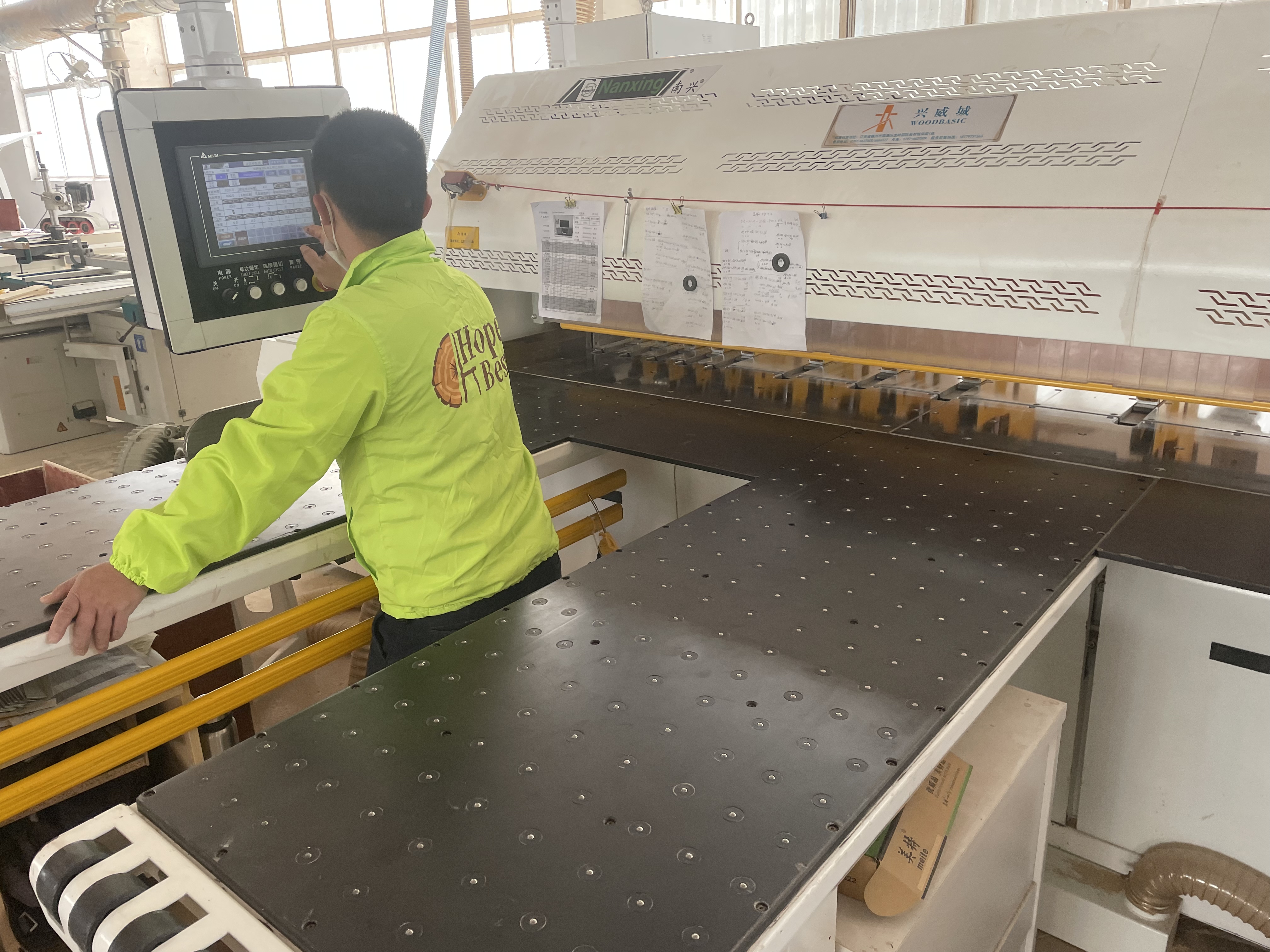

The Most Common Sample Approval Mistakes
Over the years, we've seen many production problems that could have been prevented during sampling.
Some of the most common include:
Approving From Photos Alone
Photos are useful, but they rarely show everything.
Drawer operation, stability, finish quality and smart functions are much easier to evaluate in person or through detailed testing.
Focusing Only on Appearance
A beautiful sample can still have issues with hardware, packaging or functionality.
The sample should be reviewed as a complete product, not just a visual design.
Ignoring Packaging
Many buyers concentrate on the product itself and postpone packaging discussions.
Unfortunately, transportation damage often becomes a problem later because packaging was never properly evaluated.
Not Testing Smart Functions Thoroughly
A quick test is rarely enough.
Functions that work once should also work consistently after repeated use.
Can Changes Be Made After Sample Approval?
The short answer is yes.
The better question is whether they should be.
Every project reaches a point where changes become increasingly expensive.
At the beginning, changing a veneer color or upgrading a drawer slide may be relatively simple.
After materials have been purchased and production schedules have been arranged, the same change can affect cost, lead time and production efficiency.
This doesn't mean changes are impossible.
It simply means that the later they occur, the greater the impact tends to be.
For that reason, experienced buyers try to resolve as many decisions as possible during the sample stage.
Why Experienced Buyers Take Sampling Seriously
One thing we've noticed over the years is that the smoothest projects are rarely the ones with the simplest products.
They are usually the projects where the sample was carefully reviewed and every important detail was discussed before production began.
The sample stage is not just about approving a product.
It is about reducing uncertainty.
When buyers invest time in reviewing materials, hardware, packaging and smart functions before giving final approval, production becomes easier to manage, quality becomes more predictable and delivery schedules become far easier to maintain.
In many cases, the success of an entire OEM project is determined long before the first production unit is ever built.
How Smart Nightstand Projects Differ From Standard Furniture Orders
At first glance, a smart nightstand and a traditional bedside table do not seem very different.
They may use the same veneer, the same upholstery, the same drawer slides and even a similar cabinet structure. To many buyers, the only visible difference is the addition of a few charging ports or some LED lighting.
However, once a project enters development and production, the differences become much more obvious.
A traditional bedside table is primarily a furniture project.
A smart nightstand is a furniture project combined with an electronics project.
That difference affects purchasing, engineering, testing, quality control and even after-sales service.
This doesn't mean smart furniture is difficult to manufacture. It simply means there are more details that need to be confirmed before production begins.
The projects that run smoothly are usually not the ones with the fewest functions. They are the ones where those functions were clearly defined from the start.
Looking for a Reliable OEM Bedside Table Factory?
Whether you need traditional bedside tables, upholstered nightstands or smart nightstands with wireless charging and LED lighting, our team can help evaluate specifications and provide a production solution.
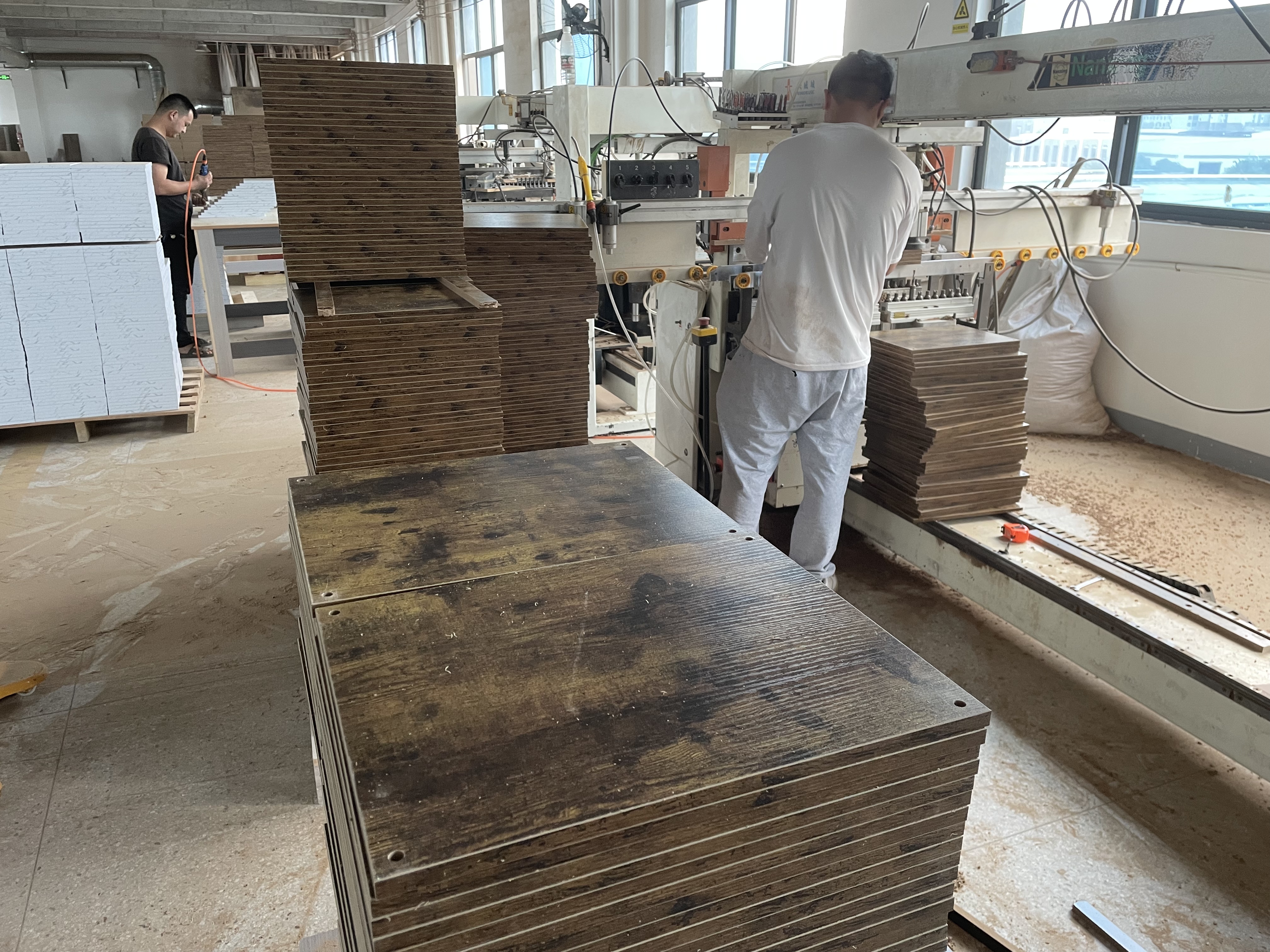
More Components Mean More Coordination
A standard bedside table is relatively straightforward.
Once the structure, materials and hardware are confirmed, the factory can move directly into production.
A smart nightstand adds another layer of coordination.
In addition to furniture materials, the factory may also need to source:
Wireless charging modules
USB charging systems
Type-C charging ports
LED lighting systems
Bluetooth speakers
Fingerprint locks
Power adapters
Electronic accessories
Each component may come from a different supplier.
Each component may have its own lead time.
Each component may require its own testing procedure.
This is one reason why smart furniture projects generally require more planning than traditional furniture orders.
The challenge is not the cabinet itself. The challenge is making sure every component arrives on time and works together properly.
Small Specification Differences Can Create Big Problems
One thing we often see is buyers discussing functions in general terms rather than confirming exact specifications.
For example, a customer may request wireless charging.
That sounds simple.
But there are still several details that need to be confirmed:
Charging power
Installation position
Surface material thickness
Power adapter requirements
Market-specific standards
The same applies to USB and Type-C charging.
Different markets may have different expectations regarding charging speed and performance.
If these details are not discussed early, misunderstandings can appear much later in the project.
The same principle applies to LED lighting, Bluetooth speakers and fingerprint locks.
The more precise the specifications are at the beginning, the fewer surprises appear later.
Smart Furniture Requires More Testing
One of the biggest differences between traditional furniture and smart furniture is testing.
A standard bedside table is mainly evaluated based on:
Appearance
Dimensions
Construction quality
Hardware performance
A smart nightstand must pass all of those checks, plus electronic testing.
For example, a wireless charging module should not only work during installation. It should continue performing consistently after repeated use.
The same applies to USB charging ports, LED lighting systems and electronic locks.
In many projects, testing takes longer than buyers expect.
Not because the functions are complicated, but because consistency matters.
A charging system that works on one unit but fails on ten others is not acceptable for mass production.
This is especially important for hotel projects, where hundreds of units may be installed across multiple rooms.
Guests expect the same experience every time they use the product.
Wireless charging is one of the most frequently misunderstood smart furniture features. Understanding charging standards, power ratings and installation requirements can help avoid costly changes later in the project.
👉 Wireless Charging Nightstand Guide

Wireless Charging Gets the Most Attention
Among all smart functions, wireless charging is usually the feature buyers discuss most.
Part of the reason is that it has become one of the most recognizable smart furniture upgrades.
Consumers immediately understand its value.
From a production perspective, however, wireless charging requires careful installation.
Factors such as installation depth, panel thickness and component positioning can all affect charging performance.
A charging module may function perfectly in a laboratory environment but perform differently once installed inside a finished product.
That is why repeated testing during development and production is important.
Most problems can be identified long before shipment if testing is taken seriously.
Smart Functions Are Usually Not the Biggest Risk
Many buyers assume electronic functions are the most likely source of problems.
In reality, that is often not the case.
Most issues we see in smart furniture projects are not caused by defective electronics.
They are caused by unclear communication during development.
Examples include:
Charging specifications not clearly defined
Incorrect installation locations
Packaging not designed for electronic components
Different departments working from different drawings
These problems are preventable.
When expectations are aligned before production begins, most smart furniture projects run smoothly.
Planning Matters More Than Complexity
Over the years, we have worked on both simple bedside tables and highly customized smart nightstands.
Interestingly, the most successful projects are not always the simplest ones.
A complex smart nightstand can move through production without major issues if every detail has been confirmed early.
Meanwhile, a relatively simple product can encounter delays if important decisions are left unresolved.
The difference is usually preparation.
When materials, hardware and smart functions are reviewed carefully during development, production becomes far more predictable.
Why Smart Nightstands Require a Different Supplier Evaluation Process
Many buyers evaluate smart furniture suppliers using the same criteria as traditional furniture suppliers.
In reality, smart furniture requires additional capabilities.
Buyers should evaluate whether a factory can:
Integrate electronic systems into furniture structures
Test smart functions before shipment
Source stable electronic components
Provide technical support when needed
Manage electrical safety requirements
A factory that produces excellent traditional furniture may not necessarily have experience managing smart furniture projects.
How Quality Control Is Managed During Production
When buyers evaluate a factory, one of the first questions is usually about production capacity.
How many workers do you have?
How many containers can you ship each month?
How large is the workshop?
These are reasonable questions, but they don't always reveal how reliable the final product will be.
A factory can have modern equipment and large production capacity, yet still struggle with quality consistency.
In our experience, the real difference between suppliers often comes down to quality management rather than production capacity.
After all, producing one good sample is not difficult.
Producing hundreds or thousands of units that all meet the same standard is where the challenge begins.
For OEM bedside table projects, especially smart nightstands, quality control is less about finding defects at the end and more about preventing problems throughout the process.
Electrical reliability is just as important as furniture quality. Buyers sourcing smart nightstands should also understand electrical safety requirements, testing standards and compliance considerations before placing large orders.
👉 Smart Nightstand Electrical Safety Guide
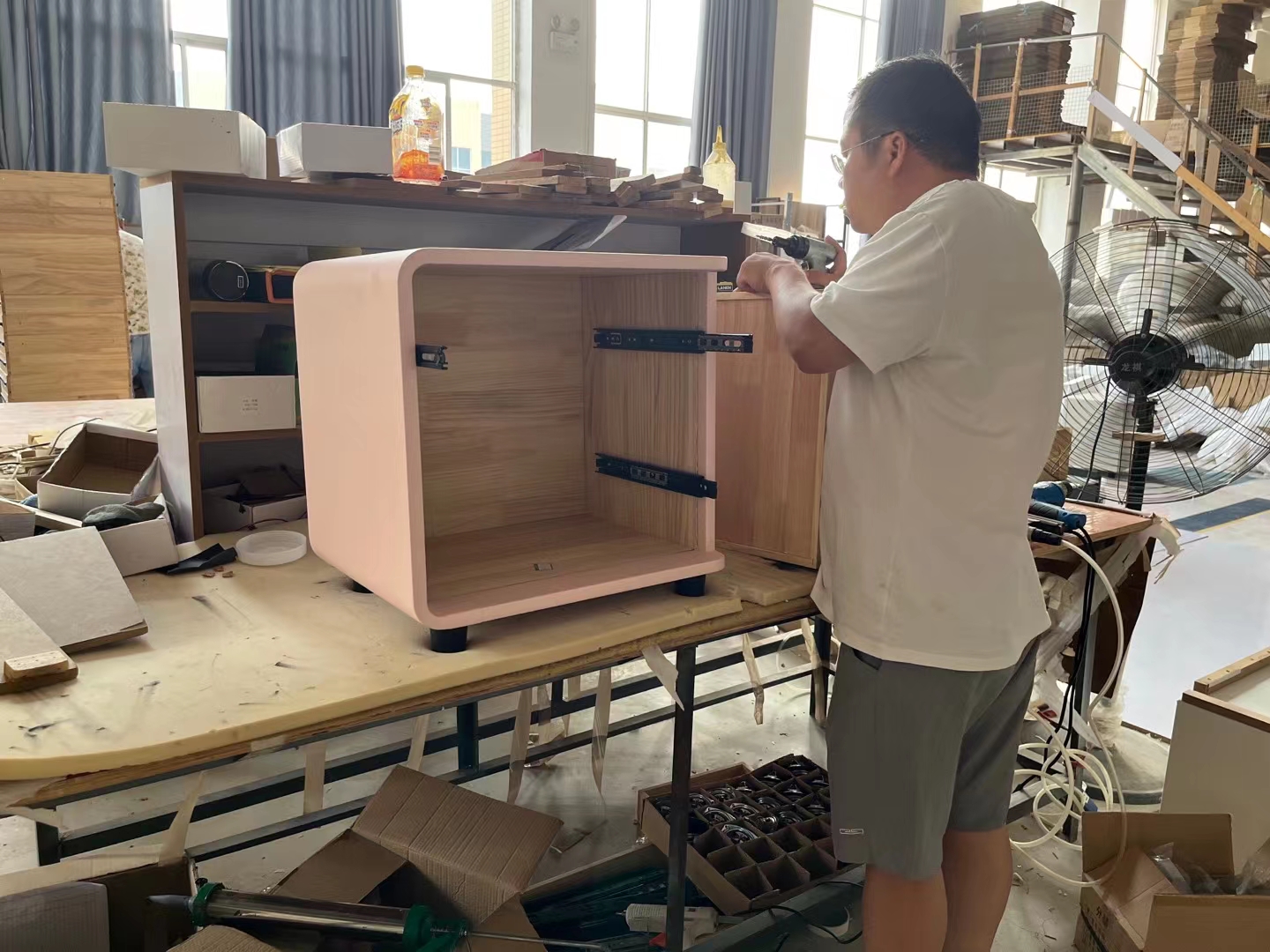
Good Quality Starts Before Production Begins
Many buyers imagine quality control as the final inspection before shipment.
In reality, quality management starts much earlier.
The first goal is to make sure the factory is working from the correct specifications.
If drawings, materials or hardware requirements are unclear, even a well-managed production line can produce the wrong product.
That is why experienced factories spend considerable time reviewing approved samples, technical drawings and production documents before manufacturing starts.
It may seem like preparation work, but in many cases it prevents problems that would otherwise appear weeks later.
Quality Checks During Production
Even when materials are correct, problems can still occur during manufacturing.
This is why inspections continue throughout production rather than waiting until the order is complete.
The purpose is simple:
Find small problems before they become large ones.
Typical production checks focus on:
Product dimensions
Drawer alignment
Structural stability
Surface finishing
Hardware installation
For bedside tables, consistency is often just as important as quality itself.
A buyer may accept a certain finish standard, but they expect every unit in the order to meet that same standard.
Regular inspections help maintain that consistency.
Smart Nightstands Require Additional Attention
For smart nightstands, quality control becomes more demanding because electronic systems are involved.
A traditional bedside table can often be evaluated visually.
A smart nightstand cannot.
Functions must be tested.
Performance must be verified.
And every unit should provide a consistent user experience.
This is where many smart furniture projects differ from ordinary furniture production.
The cabinet may look perfect, but if the charging system or LED lighting does not work correctly, the customer will still consider it a defective product.
Function Testing Is Just as Important as Appearance
When testing smart furniture, appearance is only one part of the inspection process.
Factories also need to verify:
Wireless Charging
Charging performance should be stable and consistent.
A phone should align correctly and maintain charging without interruption.
USB and Type-C Charging
Ports should provide reliable output and perform consistently across multiple units.
LED Lighting
Brightness, color consistency and switching functions should all operate as expected.
This becomes especially important in hotel projects where guests compare products across different rooms.
Bluetooth Speakers
Connection stability and sound quality should be checked before shipment.
Fingerprint Locks
Registration, unlocking speed and reliability should all be tested.
A lock that works occasionally is not acceptable in real-world use.
Why Final Inspection Still Matters
Even with inspections throughout production, a final inspection remains necessary.
At this stage, the focus shifts from individual components to the finished product as a whole.
Inspectors typically review:
Appearance
Dimensions
Functionality
Packaging
Labels
Overall presentation
This is effectively the last opportunity to identify issues before products are loaded into a container.
For export projects, packaging inspections are especially important because transportation damage can quickly turn a good product into a customer complaint.
Common Quality Problems Found in Bedside Table Projects
Although every project is different, several quality issues appear more frequently than others:
Veneer color inconsistency
Uneven surface finishing
Misaligned drawers
Loose hardware
Damaged corners
Unstable wireless charging performance
Inconsistent LED brightness
Identifying these issues during production is significantly less expensive than correcting them after shipment.
Quality Control Is Really About Risk Control
Many buyers think quality control is about finding defects.
In reality, it is about reducing risk.
Every inspection step exists for the same reason:
To identify problems while they are still easy and inexpensive to fix.
The best quality-control systems do not rely on one final inspection at the end of production.
They build checkpoints throughout the entire project.
When this happens, defects are found earlier, consistency improves and production becomes more predictable.
For buyers, that usually means fewer surprises, fewer complaints and a much smoother sourcing experience.
And in the furniture business, consistency is often what separates a reliable supplier from an average one.
Production Lead Time and What Causes Delays
After pricing, the next question most buyers ask is usually:
"How long will production take?"
Unfortunately, there is no single answer.
Two bedside tables may look similar in photos but require very different production schedules. Material selection, hardware, order quantity and smart functions can all affect lead time.
One mistake many new buyers make is assuming production starts immediately after the order is confirmed.
In reality, production is only one part of the process. Before manufacturing begins, the factory still needs to review specifications, purchase materials, arrange production schedules and prepare for quality inspections.
This is why understanding the entire timeline is often more useful than focusing on production days alone.
A Typical OEM Project Timeline
While every factory operates differently, most bedside table projects follow a similar workflow.
Stage | Typical Time |
Engineering Review | 1–3 Days |
Material Purchasing | 3–7 Days |
Sample Approval | 3–10 Days |
Mass Production | 15–30 Days |
Final Inspection | 2–3 Days |
Packaging & Loading | 1–3 Days |
For standard products, the process can move relatively quickly.
For customized projects, particularly smart nightstands, additional coordination is often required before production begins.
Why Some Projects Take Longer Than Others
Lead time is influenced by more than factory capacity.
In many cases, the product itself determines how quickly an order can move through production.
A standard bedside table using common materials is usually straightforward.
A custom veneer nightstand may require additional finishing work and stricter appearance standards.
An upholstered nightstand often involves more manual labor.
A smart nightstand adds another layer of complexity because electronic components must be sourced, installed and tested.
Hotel projects typically require even more planning due to larger quantities, customized specifications and stricter quality requirements.
This is why comparing lead times between completely different products is rarely meaningful.
Production time is only one part of the purchasing process. Buyers importing bedside tables from China should also consider supplier selection, shipping arrangements and customs planning.
👉 How to Import Bedside Tables from China
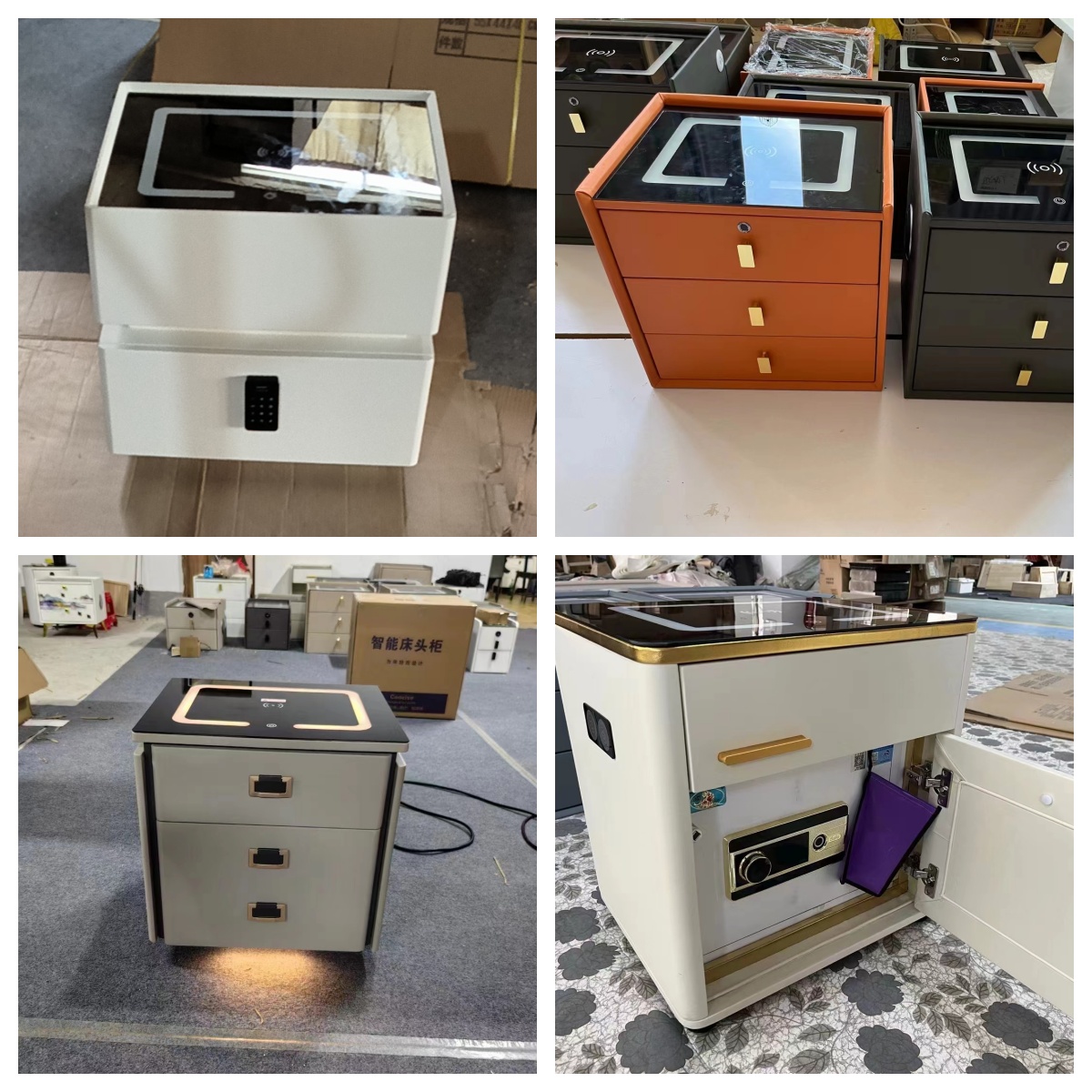
What Usually Causes Delays?
When buyers hear the word "delay," they often assume the factory has fallen behind schedule.
Sometimes that happens.
More often, however, delays begin much earlier.
One of the most common causes is specification changes after approval.
A veneer color is changed.
A different handle is selected.
A charging function is upgraded.
Each adjustment may seem small, but it often affects purchasing, production planning and quality-control procedures.
Packaging changes are another frequent issue.
Many buyers focus on the product itself and leave packaging decisions until later. By that point, the factory may already have ordered materials or finalized packing methods.
As a result, what appears to be a simple revision can affect the overall schedule.
For smart nightstands, electronic components can also influence lead time. Wireless charging modules, fingerprint locks or other smart accessories may not always be immediately available, especially during peak purchasing seasons.
Production Time Is Not Delivery Time
Another misunderstanding is confusing production lead time with delivery time.
Production ends when the goods are completed and ready for shipment.
The project, however, is not finished.
Buyers still need to consider:
Container booking
Port operations
Ocean freight
Customs clearance
Local transportation
For some destinations, transportation can take longer than manufacturing itself.
This is why experienced buyers often begin discussing shipping arrangements before production is completed.
Waiting until the goods are finished can create unnecessary pressure on the delivery schedule.
Common OEM Risks Buyers Should Watch For
Most OEM bedside table projects don't run into trouble because of major production problems. More often, the issues come from details that were not fully confirmed at the beginning.
One common example is materials. Two suppliers may quote the same veneer finish or MDF construction, but the actual quality can be very different. Small differences in board density, veneer selection or finishing standards can affect both appearance and durability.
Hardware is another area that deserves attention. Drawer slides, handles and lock systems are used every day, so their quality has a direct impact on the user experience. A bedside table may look good when it arrives, but poor hardware often becomes noticeable after a few months of use.
Packaging is also easy to overlook. Many buyers focus on the product itself and only discuss packaging near the end of the project. In reality, weak packaging is one of the main reasons furniture is damaged during transportation.
For smart nightstands, electronic functions add another layer of risk. Wireless charging, USB ports and LED lighting should be tested after installation, not just as individual components.
Finally, late changes are often the most expensive. A small adjustment to materials, hardware or functions may seem simple, but once production planning has started, it can affect both lead time and cost.
In our experience, the smoothest projects are usually the ones where key decisions are finalized before production begins.
One of the most common sourcing risks is choosing a supplier without understanding their production capabilities, quality systems and project experience.
👉 Top Bedside Table Manufacturers in China

Case Study: 640 Smart Nightstands for a Texas Hotel Project
Real projects often reveal more than any production chart.
One Texas hotel customer ordered 640 smart nightstands for a new guest room project. The requirement was simple: a modern bedside table with practical charging functions, reliable quality and long-term durability.
Customer Requirement
The project included:
Wireless charging
USB charging ports
LED lighting
Wood veneer finish
Soft-close drawers
Since the products would be installed in hundreds of rooms, consistency was a key requirement. Every unit needed to look and perform the same.
Challenge
The biggest challenges were not related to manufacturing.
During sample review, the customer requested improvements in two areas:
Packaging
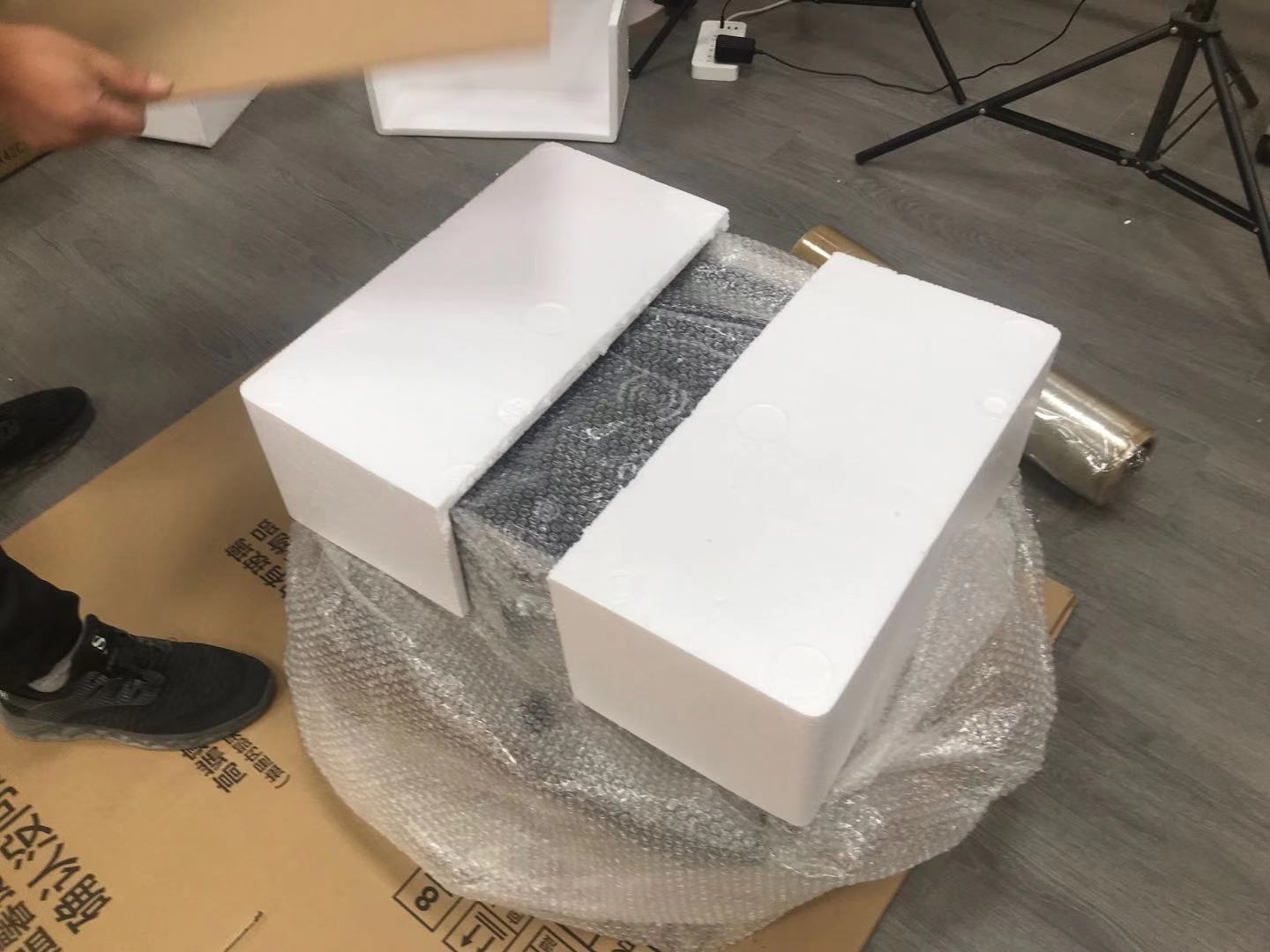
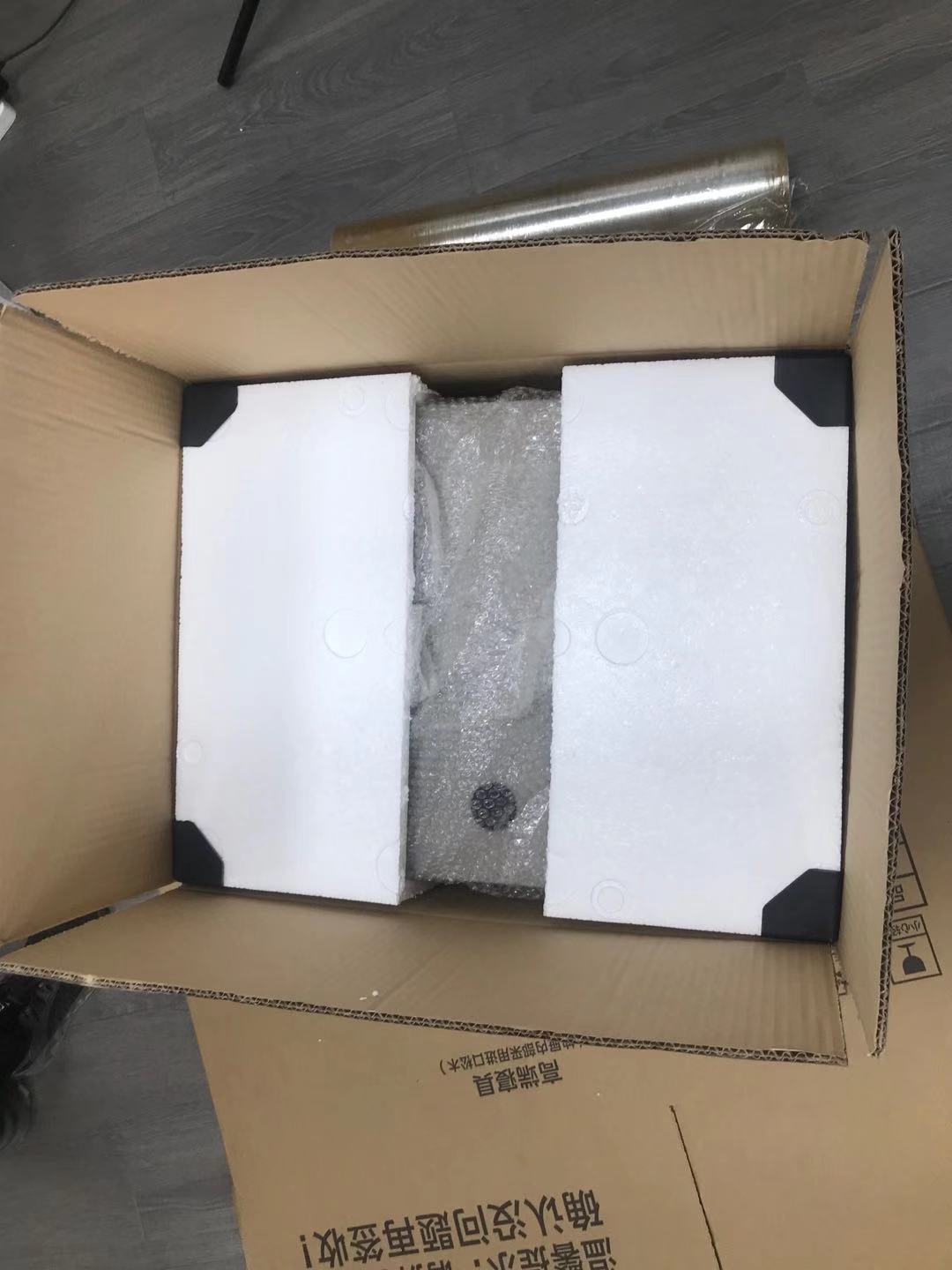
The original packaging met export standards, but the customer wanted stronger protection to reduce the risk of transportation damage.
Drawer Performance
The customer also preferred a smoother soft-close experience and requested upgraded drawer slides.
These were not major changes, but if they had been raised after production started, they could have affected both cost and lead time.
Solution
Before mass production, the project team reviewed and finalized all changes.
The packaging was upgraded with stronger corner protection, and the drawer slides were replaced with a higher-grade soft-close system.
Additional testing was carried out on:
Wireless charging
USB charging
LED lighting
Daily-use durability
The goal was simple: make sure every unit performed consistently before shipment.
Result
Production was completed within the planned 52-day schedule.
The goods were shipped on time and installed without major issues.
Customer feedback showed that the charging functions, lighting system and overall product quality met project expectations.
Lesson Learned
This project reinforced a lesson we see repeatedly in OEM furniture manufacturing:
Most project risks are not caused by production itself.
They usually come from decisions made too late.
By finalizing packaging, hardware and function details before production started, the customer avoided unnecessary delays and rework.
For buyers sourcing bedside tables from China, a few extra days spent confirming details at the beginning can save weeks of problems later.
Hotel projects often require additional coordination, stricter quality standards and customized specifications. See how smart bedside tables are being used in hospitality environments.
👉 Hotel Smart Nightstand Project Case Study
What Experienced Buyers Do Differently
Experienced buyers rarely focus only on unit price.
They usually:
Finalize specifications early
Review samples carefully
Confirm packaging requirements
Avoid mid-production changes
Communicate regularly during production
These habits help reduce risk and improve project outcomes.
Frequently Asked Questions
1. How long does an OEM bedside table order usually take?
A standard bedside table order normally takes around 15–25 days for mass production after the sample and specifications are approved.
Wood veneer, upholstered and smart nightstand projects may require 25–40 days, while larger hotel orders can take 30–50 days or longer. The final schedule depends on quantity, materials, customization, component availability and the time needed for testing.
These figures refer to production time, not ocean freight or local delivery.
2. What should buyers confirm before mass production starts?
Before production, buyers should confirm the product dimensions, construction, materials, finish, hardware, smart functions, packaging and delivery schedule.
For smart nightstands, general descriptions such as “wireless charging” or “USB port” are not detailed enough. Charging output, installation position, adapter requirements and target-market standards should also be agreed in writing.
Most production disputes begin with details that were assumed rather than confirmed.
3. Why is sample approval so important for an OEM order?
The approved sample becomes the main reference for mass production.
The factory normally uses it to confirm appearance, dimensions, construction, hardware and functions. If a problem is missed during sampling, the same issue may be repeated across the whole order.
A sample should therefore be tested as a finished product, not approved only because it looks good in photos.
4. Can buyers change specifications after sample approval?
Yes, but late changes often affect both cost and lead time.
A color adjustment may require new finishing materials. Changing drawer slides can affect purchasing and installation. Adding a smart function may require a new power system, wiring plan or testing procedure.
Changes are easiest before materials are ordered. Once mass production starts, even a small revision can create rework and scheduling problems.
5. What usually causes OEM bedside table production delays?
The most common causes are late specification changes, delayed material approval, custom hardware shortages, packaging revisions and smart-component availability.
Holiday periods and slow buyer feedback can also affect the schedule.
In many projects, the factory production line is not the main problem. The delay begins because a decision was not finalized early enough.
6. How do bedside table factories control quality during production?
Quality control should take place at several stages rather than only before shipment.
A typical system includes:
Incoming material inspection
In-process dimensional and assembly checks
Surface and hardware inspection
Smart-function testing
Final product and packaging inspection
The purpose is to find problems while they are still easy to correct. Waiting until the final inspection increases the risk of large-scale rework.
7. What quality problems are common in bedside table orders?
Common problems include veneer color variation, uneven finishing, drawer misalignment, loose hardware, damaged corners and weak packaging.
For smart nightstands, buyers should also watch for unstable wireless charging, inconsistent LED brightness, loose USB ports and unreliable electronic locks.
Many of these issues are not obvious from product photos. They need to be checked during sampling and mass production.
8. How should smart nightstands be tested before shipment?
Smart functions should be tested after they are installed in the finished nightstand.
Typical checks include:
Wireless charging stability
USB and Type-C output
LED brightness and controls
Bluetooth pairing and sound
Fingerprint-lock registration and unlocking
Testing the electronic module by itself is not enough. Panel thickness, installation position, wiring and the power adapter can all affect final performance.
Planning a Hotel or Apartment Furniture Project?
Share your drawings, quantity requirements or reference photos. We can help evaluate feasibility, lead time and customization options.
👉 Discuss Smart Furniture Project

9. Does wireless charging require special testing?
Yes. Wireless charging performance can change after the module is installed below glass, veneer or another tabletop material.
The factory should check charging distance, alignment, stability, heat generation and compatibility with several phone models where possible.
A module that works before installation may not perform the same way inside the finished cabinet.
10. What should buyers look for in a smart nightstand supplier?
A suitable supplier should understand both furniture construction and electronic integration.
Buyers should check whether the factory can:
Confirm technical specifications
Install smart modules correctly
Test finished products
Source stable components
Handle electrical safety requirements
Provide support if a function fails
A good traditional furniture factory is not automatically an experienced smart furniture supplier.
11. How can buyers reduce transportation damage?
Packaging should be confirmed during product development, not after production is complete.
Important details include carton strength, foam protection, corner guards, internal movement and shipping labels. E-commerce orders may require stronger packaging than full-container wholesale shipments because each carton passes through more handling points.
A well-made product can still become a claim if the packaging is too weak for the shipping method.
12. What is the difference between production lead time and delivery time?
Production lead time covers the period needed to prepare materials, manufacture, inspect and pack the goods.
Delivery time also includes:
Container booking
Port handling
Ocean or land transport
Customs clearance
Final delivery
For some destinations, shipping takes longer than manufacturing. Buyers should therefore calculate the complete project schedule rather than using the production date alone.
13. How much does a bedside table sample usually cost?
Furniture samples are commonly charged at around two to three times the expected bulk unit price.
A sample is made as a one-off item, so engineering, setup, material preparation, assembly and testing costs are carried by a single unit.
Many factories will deduct part or all of the sample fee after a qualifying bulk order, but this should be confirmed before payment.
14. Why can similar bedside tables have very different quotations?
Two bedside tables can look almost identical while using different materials and internal specifications.
Price differences may come from:
Board density and thickness
Veneer or upholstery grade
Drawer-slide quality
Smart-module specifications
Packaging standards
Testing and inspection
Certification requirements
A photo is not enough to compare quotations. Buyers need a specification sheet.
15. Should buyers choose the lowest quotation?
Not automatically.
A lower price may come from better factory efficiency, but it may also come from thinner materials, lower-grade hardware, untested electronics or weaker packaging.
The safest approach is to compare the specification behind the price. A slightly higher quotation can be less expensive in the long run if it reduces damage, complaints, replacements and after-sales costs.
16. What certifications may be needed for a smart nightstand?
The required documents depend on the destination market and the electrical functions included.
Buyers may need to consider CE, RoHS, FCC, UKCA, EMC or power-adapter safety documentation. It is also important to confirm whether the certificate covers the individual component or the complete finished product.
Component certificates do not always mean the assembled nightstand has been tested as a complete system.
17. How can buyers verify a bedside table factory?
The strongest verification methods are sample evaluation, factory inspection, production review and third-party pre-shipment inspection.
Buyers should look beyond workshop size and machine count. More useful questions include:
How are materials checked?
How is the approved sample controlled?
How are smart functions tested?
How are defects recorded and corrected?
Can inspection reports be provided?
A large factory is not necessarily a well-managed factory.
18. What do experienced furniture buyers do differently?
Experienced buyers finalize specifications early, review samples carefully and confirm packaging before mass production.
They also avoid unnecessary mid-production changes and maintain regular communication during the order.
Their main advantage is not stronger negotiation. It is better preparation. Most successful OEM projects stay on schedule because key decisions were made before production began, not because problems were solved faster later.
Conclusion
Successful OEM projects are rarely the result of manufacturing alone.
They depend on clear specifications, careful sample approval, effective quality control and realistic scheduling.
Whether sourcing traditional bedside tables or smart nightstands, buyers who invest time in planning usually experience fewer delays, fewer quality issues and more predictable results.
The earlier potential problems are identified, the easier they are to solve.
Start Your OEM Bedside Table Project
Whether you are sourcing standard bedside tables, smart nightstands or custom hotel furniture, our team can help with product development, sampling, production and export logistics.
✔ OEM & ODM Service
✔ Smart Nightstand Solutions
✔ Low MOQ Available
✔ Sample Support
✔ Export Experience
👉 Get OEM Quote Within 24 Hours