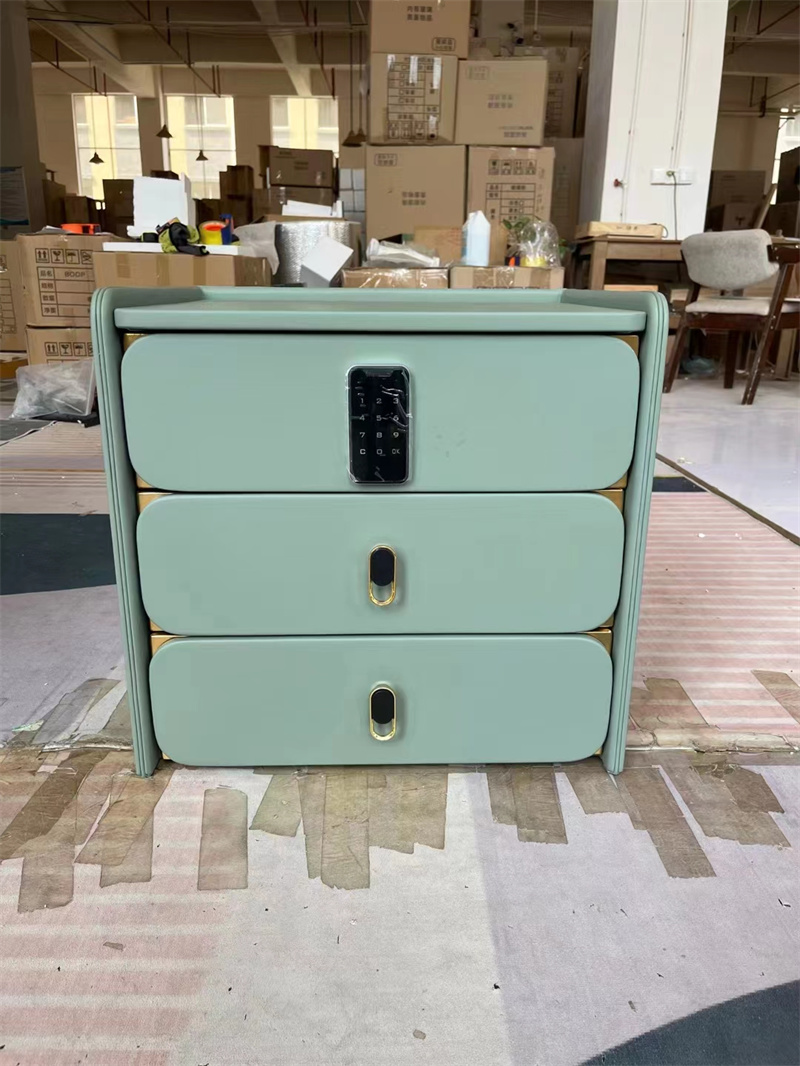
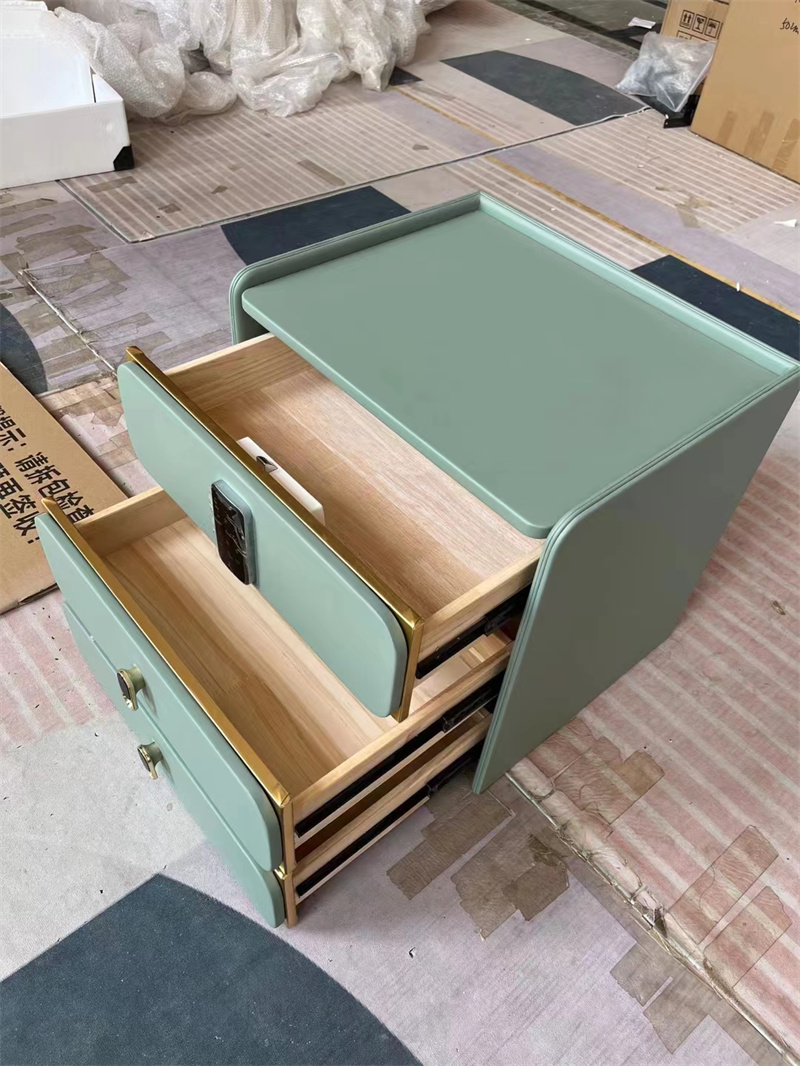
Private Label Bedside Table Guide 2026: How Brands Develop Custom Nightstands
A practical guide for brands developing private label bedside tables. Learn how OEM manufacturers support custom designs, materials, smart functions, sampling and mass production.
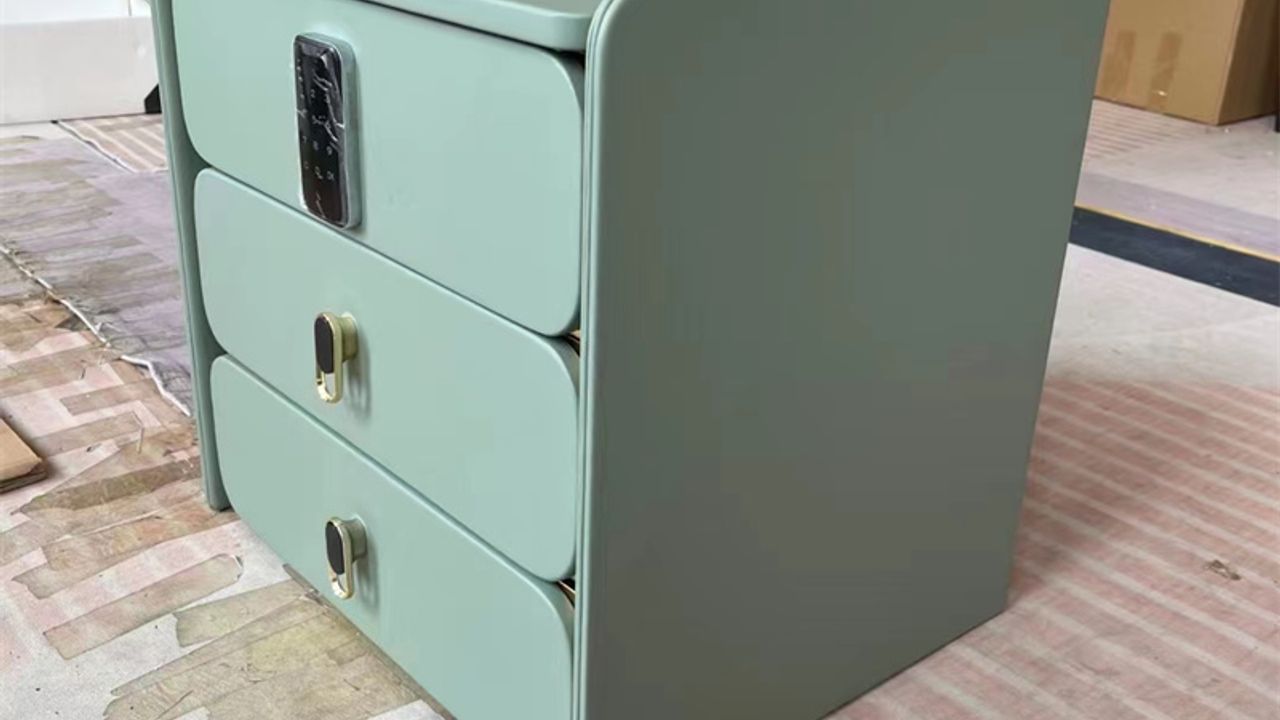
Private Label Bedside Table Guide 2026: How Brands Develop Custom Nightstands with OEM Manufacturers
Introduction: Developing a Private Label Bedside Table Collection
For many furniture brands, adding bedside tables to their product line looks simple at first. However, once a brand starts developing its own nightstand collection, many practical questions appear.
What size fits the target market?
Which materials provide the right balance between cost and quality?
Should the product focus on design, storage, or smart functions?
Can the factory support customization and stable production?
These questions are common during private label bedside table projects.
Unlike buying ready-made products, private label development requires cooperation between the brand and the manufacturer. The buyer usually provides the market direction and product requirements, while the factory helps turn those ideas into a production-ready product.
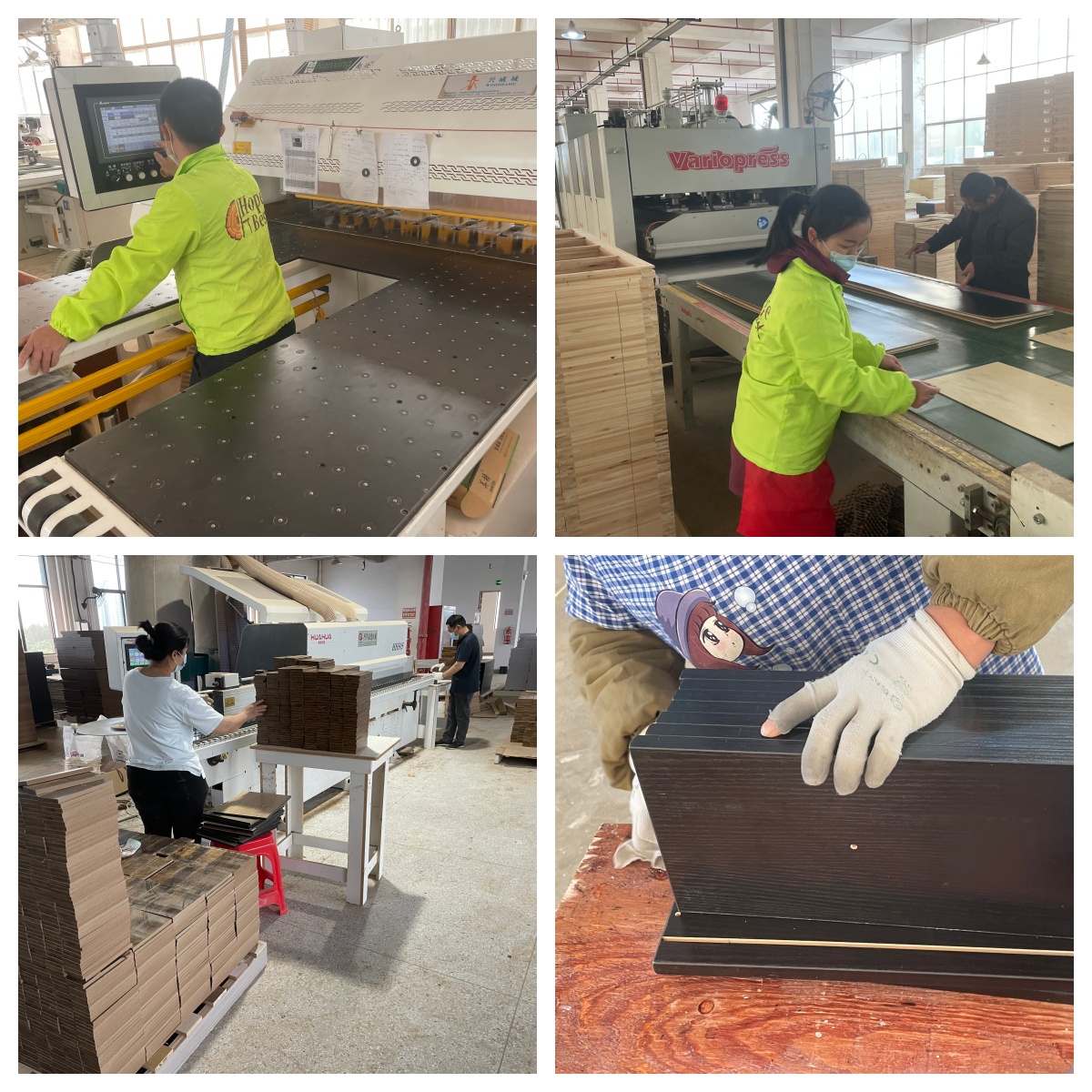
A professional bedside table manufacturer can support different stages of development, including design adjustment, material selection, sample production, and bulk manufacturing.
For brands that want to create their own nightstand collections, choosing the right manufacturing partner is often the first and most important step.
Choosing the right packaging solution starts with choosing an experienced OEM partner. A professional bedside table manufacturer should understand not only production, but also product development, quality control, packaging and international shipping requirements.
👉 OEM bedside table manufacturer in China
What Is a Private Label Bedside Table?
A private label bedside table is a product manufactured by a supplier and sold under the buyer’s own brand.
The difference between private label and standard wholesale products is the level of customization.
With standard products, buyers usually select from existing models.
With private label products, buyers can participate in decisions such as:
Product size
Design details
Materials
Surface finishes
Functions
Packaging
For example, a bedroom furniture brand may want to develop a modern bedside table for the European market. The requirements may include:
500mm width
Walnut finish
One drawer with soft-close runner
Custom logo
Retail packaging
The manufacturer then evaluates the design, confirms technical details, produces samples, and starts mass production after approval.
In practice, private label is not simply adding a logo to an existing product. A complete project usually involves product adjustment, manufacturing communication, and quality confirmation.
Private Label vs OEM vs ODM Bedside Tables
When discussing product development with manufacturers, buyers often hear three terms: private label, OEM, and ODM.
Although they are related, the cooperation models are different.
Model | Buyer Provides | Manufacturer Provides |
Private Label | Market requirements, brand direction, customization needs | Production support and customized manufacturing |
OEM | Product drawings and specifications | Manufacturing based on buyer requirements |
ODM | Product concept or market idea | Design development and production |
Model | Buyer Provides | Manufacturer Provides |
Private Label Bedside Table
Private label is suitable for brands that want their own products but do not operate their own factory.
The buyer usually focuses on:
Target customers
Product positioning
Design preferences
Market requirements
The manufacturer supports:
Engineering solutions
Material suggestions
Sample production
Manufacturing
OEM Bedside Table
OEM works well when the buyer already has a complete product design.
For example:
Technical drawings
Product specifications
Material requirements
The factory follows the buyer’s specifications and handles production.
ODM Bedside Table
ODM is usually chosen when the buyer has a product idea but needs more help developing the product.
The manufacturer may provide:
Design suggestions
Structural improvements
Product solutions
For many furniture brands, private label offers a practical approach because it provides customization while reducing the complexity of managing production directly.
Why Brands Develop Private Label Bedside Tables
Create Products That Are Different From Standard Market Designs
One challenge many furniture brands face is product similarity.
A large number of bedside tables on the market share similar:
Sizes
Colors
Storage designs
Materials
When products look almost identical, price becomes the main comparison factor.
Private label development gives brands more flexibility to create products with their own characteristics.
For example:
A brand targeting small apartments may develop:
Narrow bedside tables
Vertical storage designs
Compact structures
A premium bedroom brand may prefer:
Solid wood details
Special finishes
Larger storage capacity
The product design should match the customer group rather than simply copying existing models.
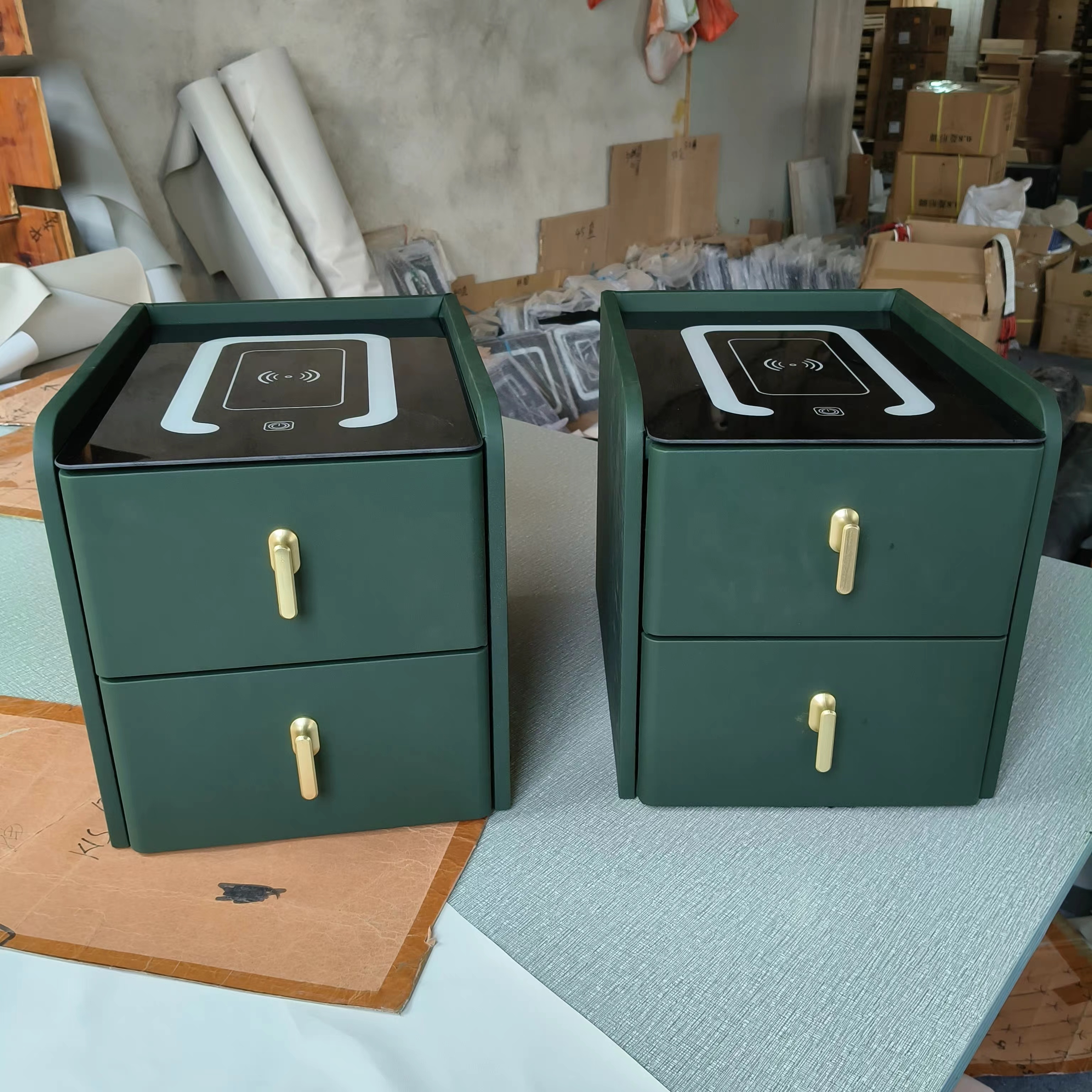
For smart bedside tables with wireless charging, LED lighting, USB ports or smart locks, packaging needs to protect both furniture structures and electronic systems. Buyers should evaluate suppliers with experience in smart furniture OEM projects.
👉 smart nightstand OEM solutions
Choose Products Based on Market Position
Different markets require different product solutions.
A supplier may recommend different approaches depending on the target price level.
Entry-Level Products
Common considerations:
Cost control
Simple structure
Efficient production
Materials often focus on stability and affordability.
Mid-Range Products
Common considerations:
Better appearance
Improved durability
More design details
Many retail products fall into this category.
Premium Products
Common considerations:
Material quality
Unique appearance
Higher product value
Solid wood, veneer, and customized finishes are often considered for this segment.
The right choice depends on the brand positioning, not simply the material itself.
Customization Options for Private Label Bedside Tables
A private label bedside table can be customized in several areas.
Product Design Customization
Common adjustments include:
Overall dimensions
Drawer layout
Door design
Leg style
Handle design
Storage structure
For example, some buyers prefer a traditional bedside table with drawers, while others may need a modern minimalist design with hidden storage.
Small design changes can significantly affect the final appearance and market positioning.
Material Selection
Material selection affects:
Appearance
Cost
Durability
Production method
Common options include:
MDF
MDF is widely used for painted bedside tables.
It provides:
Smooth surface
Stable processing
Good cost control
It is commonly used for modern painted designs.
Plywood
Plywood is often selected when stronger structure is required.
It is commonly used in:
Hotel furniture
Contract projects
Higher-use environments
Solid Wood
Solid wood is usually chosen for premium products.
It provides:
Natural texture
Unique appearance
Higher perceived value
Veneer
Veneer allows brands to achieve a natural wood appearance with consistent production.
It is often used when buyers need a balance between appearance and production efficiency.
Packaging is only one part of a successful OEM project. Before shipment, buyers also need to understand how suppliers control product quality during manufacturing, inspection and final checking.
👉 bedside table quality control process
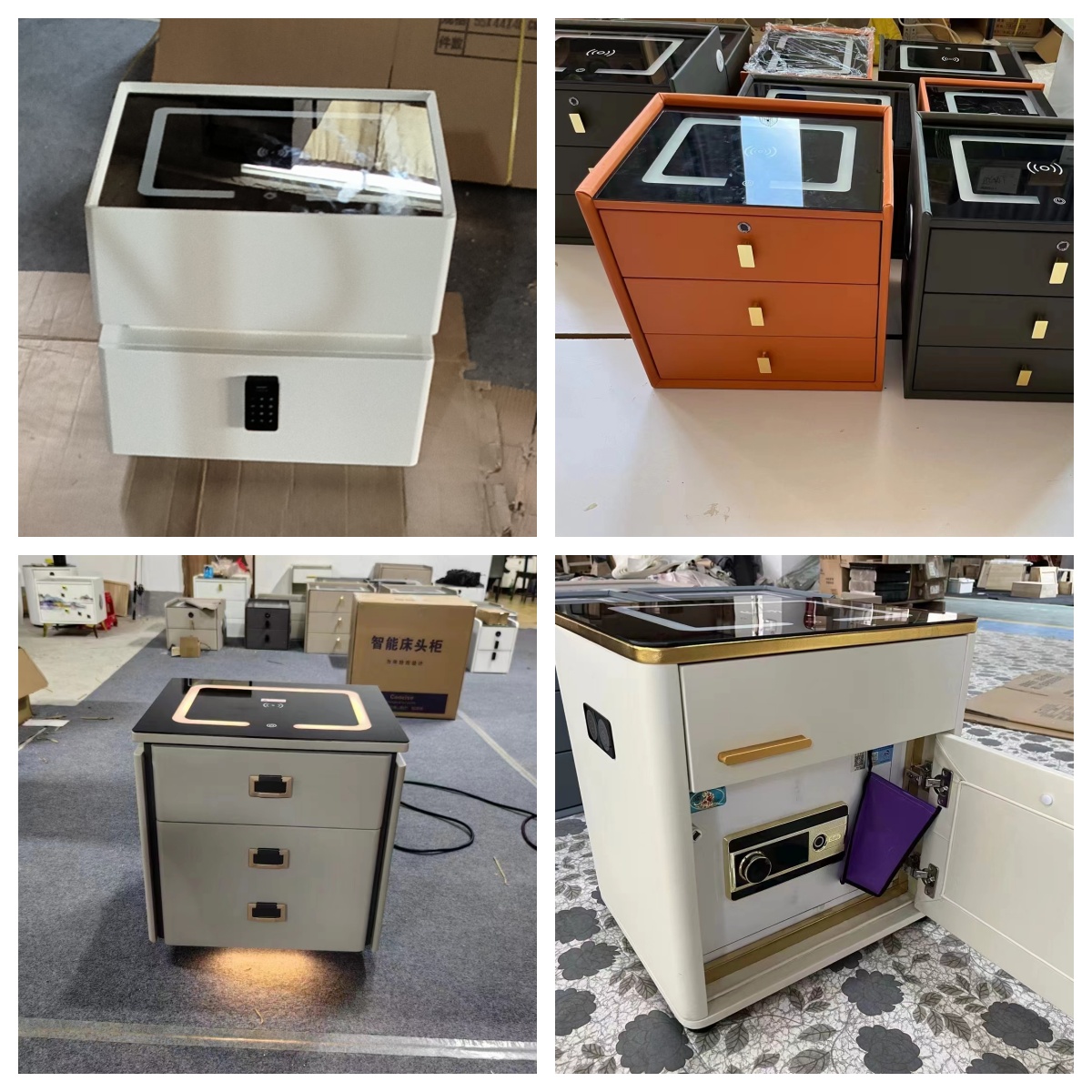
Smart Function Integration
Some brands are developing bedside tables with additional functions.
Examples include:
Wireless charging
USB charging
Type-C charging
LED lighting
Bluetooth speakers
Fingerprint locks
However, adding electronic functions requires more than installing components.
The manufacturer needs to consider:
Internal structure
Wiring space
Component installation
Product safety
Smart bedside table projects usually require cooperation between furniture production and electronic suppliers.
Brand and Packaging Customization
Private label products normally include brand customization.
Options include:
Logo
Labels
Product manuals
Packaging design
Carton printing
These details help ensure that the final product matches the brand image.
How Private Label Bedside Tables Are Developed
A typical private label project usually follows several stages.
Step 1: Discuss Product Requirements
The first step is understanding what the buyer wants to develop.
Information usually includes:
Product reference images
Target market
Expected price range
Order quantity
Functional requirements
At this stage, the manufacturer evaluates whether the design is suitable for production.
Step 2: Confirm Design and Materials
Before making samples, both sides confirm:
Product structure
Materials
Colors
Hardware
Functions
Clear communication at this stage helps avoid changes later.
Step 3: Sample Production
Samples allow buyers to check the actual product.
The main points usually include:
Appearance
Size
Structure
Function
Finishing quality
For private label projects, sample approval is an important step before bulk production.
Step 4: Mass Production
After approval, the factory starts production.
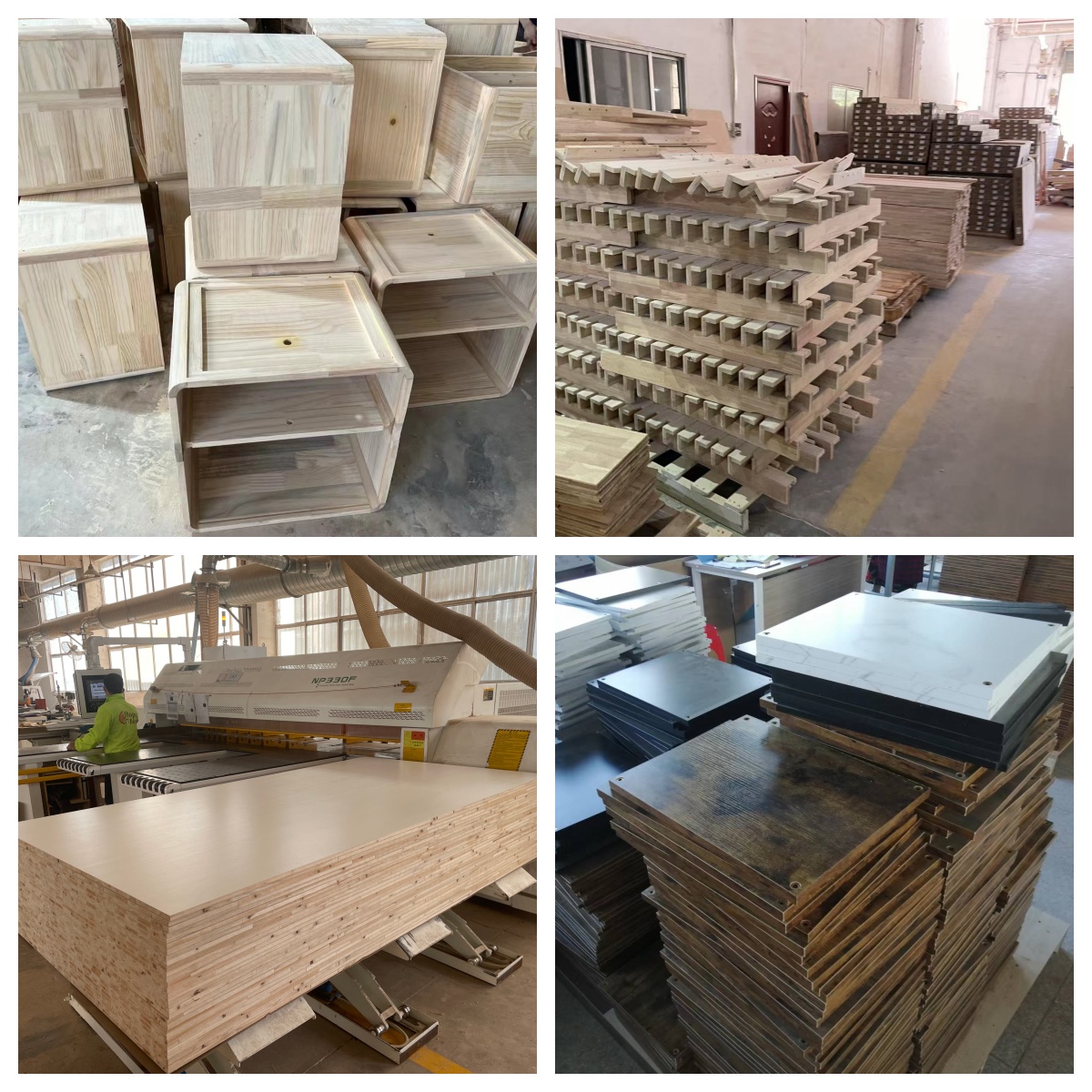
The process normally includes:
Material preparation
Production control
Assembly
Final inspection
A stable production process helps maintain consistency between samples and bulk orders.
Step 5: Export Preparation
For international orders, packaging and shipping requirements need to be considered.
Important factors include:
Product protection
Carton design
Container loading
Transportation conditions
Good planning helps reduce problems during shipment.
Packaging is also closely related to importing costs, customs planning and total landed cost. Buyers who are sourcing bedside tables internationally should consider the complete import process before placing large orders.
👉 import bedside tables from China guide

What MOQ Is Required for Private Label Bedside Tables?
MOQ depends on the product requirements.
There is no single MOQ that applies to every private label project.
Factors affecting MOQ include:
Product design
Material selection
Customization level
Production process
Packaging requirements
For existing designs with minor changes, MOQ may be lower.
For completely new designs with special structures or functions, the factory may require a higher quantity because more resources are involved in preparation and production.
The best MOQ should match the product strategy and production situation.
How Much Does a Private Label Bedside Table Cost?
The quotation for a private label bedside table depends on several factors.
Main cost factors include:
Factor | Influence |
Material | MDF, plywood, solid wood, veneer |
Finish | Paint, veneer, special surface treatment |
Hardware | Drawer runners and accessories |
Functions | Smart components |
Quantity | Production volume |
A standard bedside table and a smart bedside table may have similar dimensions but completely different costs because the internal structure and components are different.
To provide an accurate quotation, manufacturers normally need detailed information about the product requirements.
How to Choose a Private Label Bedside Table Manufacturer
Choosing the right supplier is one of the most important decisions in a private label project.
Look for Product Experience
A manufacturer specializing in bedside tables usually understands:
Common structures
Production challenges
Material applications
Customer requirements
Experience in the same product category can help reduce development problems.
Check Customization Ability
Before cooperation, buyers should confirm whether the supplier can support:
New designs
Material changes
Functional upgrades
Packaging customization
Understand Quality Control Process
A reliable manufacturer should have clear quality control procedures.
These usually include:
Material checking
Production inspection
Final product inspection
Consistent quality is important because private label products represent the buyer’s own brand.
Evaluate Communication
Good communication is especially important during product development.
Important factors include:
Response speed
Engineering support
Sample feedback
Production updates
Common Mistakes When Developing Private Label Bedside Tables
Choosing Only Based on Price
The lowest quotation may not always be the best option.
A lower price may involve:
Different materials
Reduced specifications
Limited customization
Starting Production Without Confirming Samples
Sample approval helps ensure:
Correct design
Correct materials
Expected functions
Ignoring Product Positioning
The product should match the target market.
A hotel bedside table and an online retail nightstand usually have different requirements.
Choosing a General Furniture Supplier
Bedside tables have their own manufacturing requirements.
A supplier with specific bedside table experience may provide better solutions for:
Structure
Storage design
Custom development
Get OEM Packaging Solution
Need a bedside table supplier who understands export packaging requirements? Share your project details and we will suggest a suitable packaging solution.
Why Work With a Specialized Bedside Table OEM Manufacturer?
Developing private label bedside tables requires more than production capacity.
Brands need a manufacturing partner that understands:
Bedside table structures
Custom product development
Material solutions
Production management
Export requirements
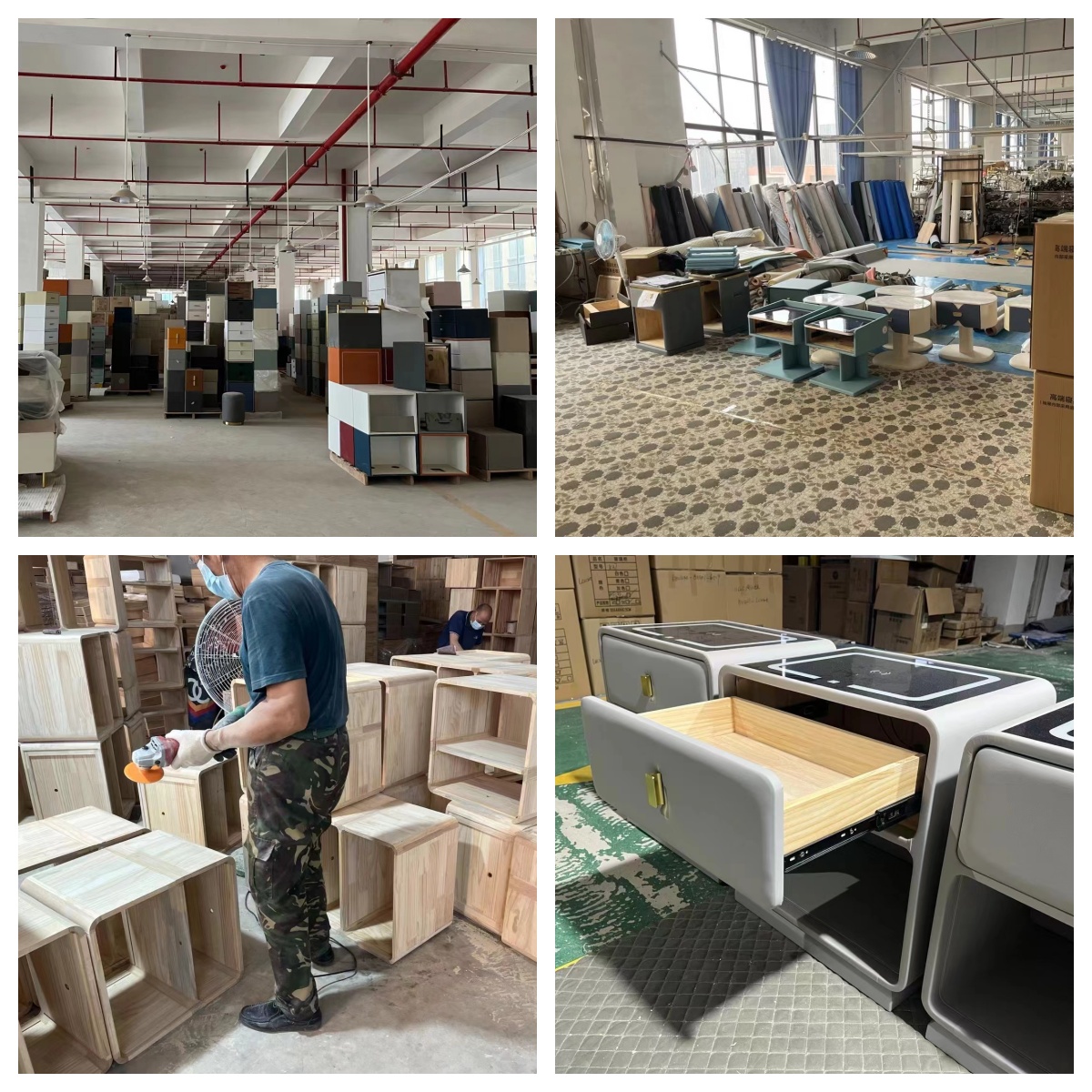
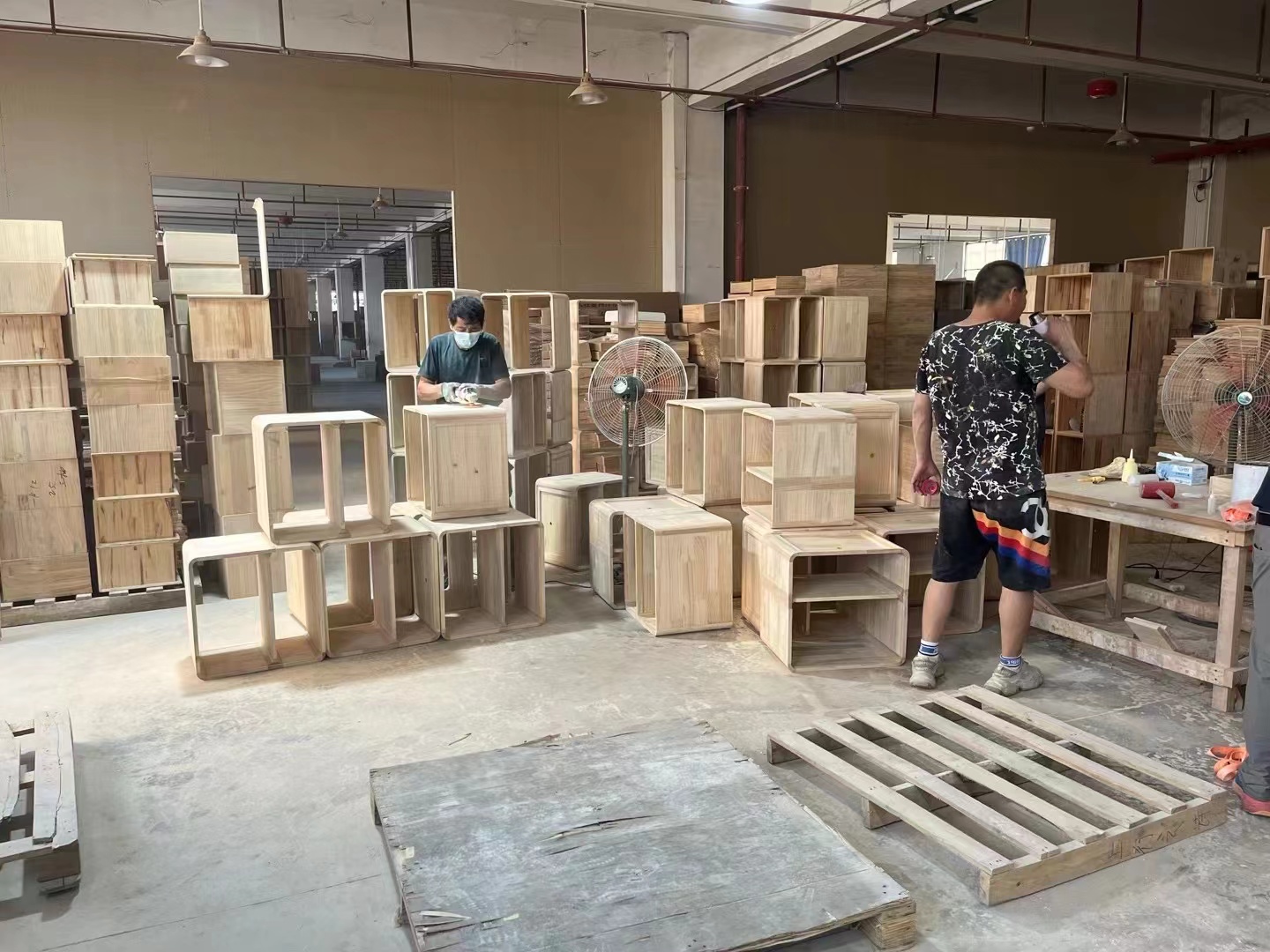
Hebai Furniture focuses on bedside table manufacturing and OEM development, helping overseas buyers develop customized nightstands and smart bedside table products.
From initial product ideas to finished production, an experienced bedside table manufacturer can help brands create products that fit their market requirements.
Start Your OEM Bedside Table Project
Whether you are sourcing standard bedside tables, smart nightstands or custom hotel furniture, our team can help with product development, sampling, production and export logistics.
✔ OEM & ODM Service
✔ Smart Nightstand Solutions
✔ Low MOQ Available
✔ Sample Support
✔ Export Experience
👉 Get OEM Quote Within 24 Hours
Conclusion
Private label bedside tables provide brands with a way to develop unique products without building their own factory.
A successful project depends on several factors:
Clear product requirements
Suitable materials
Reliable manufacturing capability
Stable quality control
Effective communication
Working with a specialized bedside table OEM manufacturer can make the development process smoother and help brands build their own nightstand collections.
Planning a Hotel or Apartment Furniture Project?
Share your drawings, quantity requirements or reference photos. We can help evaluate feasibility, lead time and customization options.
👉 Discuss Smart Furniture Project
Frequently Asked Questions About Private Label Bedside Tables
1. What is a private label bedside table?
A private label bedside table is a nightstand manufactured by a supplier and sold under a buyer’s own brand name.
Unlike standard wholesale products, private label bedside tables can be customized according to the buyer’s requirements, including product design, materials, finishes, functions, and packaging.
The manufacturer handles production, while the brand controls the product direction and market positioning.
2. What is the difference between private label and OEM bedside tables?
Private label and OEM are similar, but private label usually focuses more on brand customization and product development.
OEM normally means the buyer provides detailed product specifications and the factory manufactures according to those requirements.
Private label projects usually involve more cooperation, including:
Product adjustment
Material selection
Sample development
Packaging customization
For brands developing their own nightstand collections, private label provides more flexibility.
3. Can I customize my own bedside table design with a manufacturer?
Yes. Most private label bedside table manufacturers can customize designs based on buyer requirements.
Common customization options include:
Product dimensions
Drawer structure
Materials
Colors and finishes
Hardware
Functional features
Packaging
Buyers can provide drawings, reference images, or existing products, and the manufacturer can evaluate production feasibility.
4. What can be customized on a private label bedside table?
Private label bedside tables can usually be customized in design, materials, functions, and branding.
Common customization includes:
Design
Size
Shape
Storage structure
Drawer layout
Materials
MDF
Plywood
Solid wood
Veneer
Functions
Wireless charging
USB/Type-C ports
LED lighting
Bluetooth speakers
Branding
Logo
Labels
Packaging
User manuals
5. What MOQ is required for private label bedside tables?
The MOQ for private label bedside tables depends on the design, materials, customization level, and production requirements.
There is no fixed MOQ for every project.
Existing designs with limited customization usually require lower quantities.
New designs involving special structures, materials, or smart functions may require higher quantities because of development and production preparation.
6. How long does it take to develop a private label bedside table?
The development time depends on product complexity, sample requirements, and customization level.
A typical process includes:
Product discussion
Design confirmation
Sample production
Sample approval
Mass production
Simple product modifications usually require less time, while completely new designs may require additional development.
7. How much does a private label bedside table cost?
The cost depends on materials, design complexity, functions, quantity, and packaging requirements.
Main factors include:
Material selection
Surface finishing
Hardware
Smart functions
Order quantity
For example, a basic MDF bedside table and a smart nightstand with wireless charging and LED lighting may have similar sizes but very different production costs.
8. Can I add my own logo and packaging to bedside tables?
Yes. Private label manufacturers can usually support custom branding options.
Common branding services include:
Product logo
Packaging design
Labels
Instruction manuals
Retail cartons
These details help brands create a consistent customer experience.
9. Can private label bedside tables include smart functions?
Yes. Private label bedside tables can be developed with integrated smart functions.
Common options include:
Wireless charging
USB charging
Type-C charging
LED lighting
Bluetooth speakers
Fingerprint locks
Smart bedside table development requires both furniture manufacturing experience and knowledge of electronic integration.
Planning a Hotel or Apartment Furniture Project?
Share your drawings, quantity requirements or reference photos. We can help evaluate feasibility, lead time and customization options.
👉 Discuss Smart Furniture Project
10. What materials are commonly used for private label bedside tables?
Common materials include MDF, plywood, solid wood, and veneer, depending on the product positioning and market requirements.
Examples:
MDF is often used for cost-controlled painted products.
Plywood is commonly used when stronger structures are required.
Solid wood is selected for premium collections.
Veneer provides a natural wood appearance with production consistency.
The best material depends on the target market and product strategy.
11. How do I choose a reliable private label bedside table manufacturer?
A reliable manufacturer should have product experience, customization capability, and stable production management.
Before cooperation, buyers should check:
Experience with bedside tables
Previous export projects
Sample development ability
Quality control process
Communication efficiency
A manufacturer specializing in bedside tables usually understands product details better than a general furniture supplier.
12. Do private label manufacturers protect my product design?
Many professional manufacturers respect customer confidentiality and protect product designs during cooperation.
Before starting a project, buyers can discuss:
Design confidentiality
Product exclusivity
Sample handling
Production limitations
Clear communication helps protect the buyer’s product concept.
13. What is the difference between a ready-made bedside table and a private label bedside table?
The main difference is the level of customization and brand control.
Ready-made products usually have:
Fixed designs
Limited changes
Standard packaging
Private label products allow:
Custom designs
Brand identity
Material selection
Function customization
This gives brands more control over their product offering.
14. Can I develop a smart nightstand under my own brand?
Yes. Brands can develop private label smart nightstands with customized designs and functions.
Typical smart features include:
Wireless charging
LED lighting
USB ports
Bluetooth speakers
Fingerprint locks
The development process requires coordination between furniture structure design and electronic components.
15. What information should I provide before requesting a private label bedside table quotation?
The more product information buyers provide, the more accurate the quotation will be.
Useful information includes:
Product pictures or drawings
Target dimensions
Material requirements
Functions needed
Estimated quantity
Target market
These details help manufacturers recommend suitable production solutions.
Start Your OEM Bedside Table Project
Tell us your product requirements, target market and order quantity. Our team will help evaluate product design, packaging method and export solution.
👉 Send Your Project Requirements