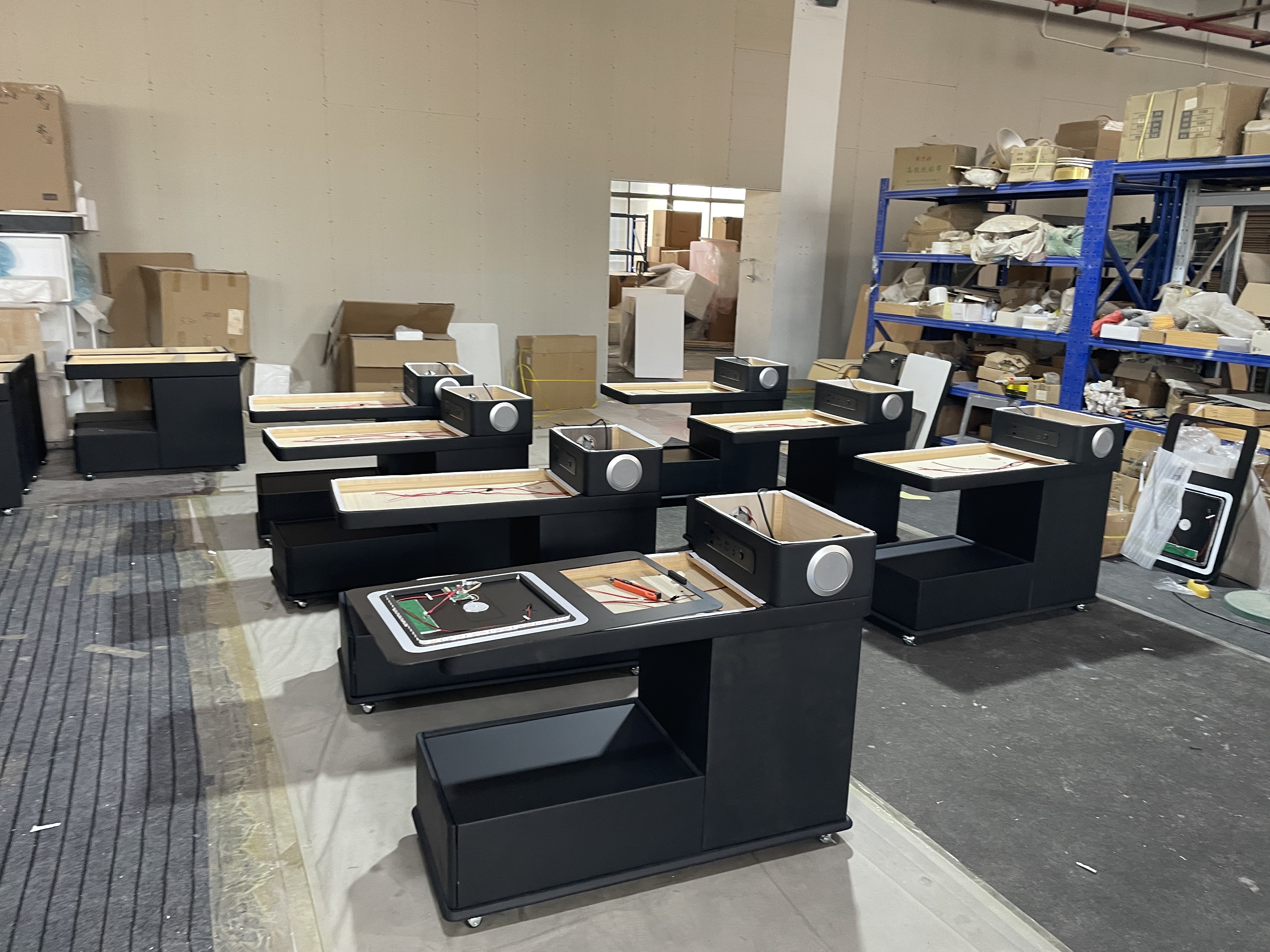
Wireless Charging Nightstand Manufacturer in China: OEM, MOQ and Customization Guide
Looking for a wireless charging nightstand manufacturer in China? Explore OEM customization options, MOQ requirements, wireless charging solutions, LED lighting, USB and Type-C charging, and production capabilities for furniture brands, distributors, and hotel projects.
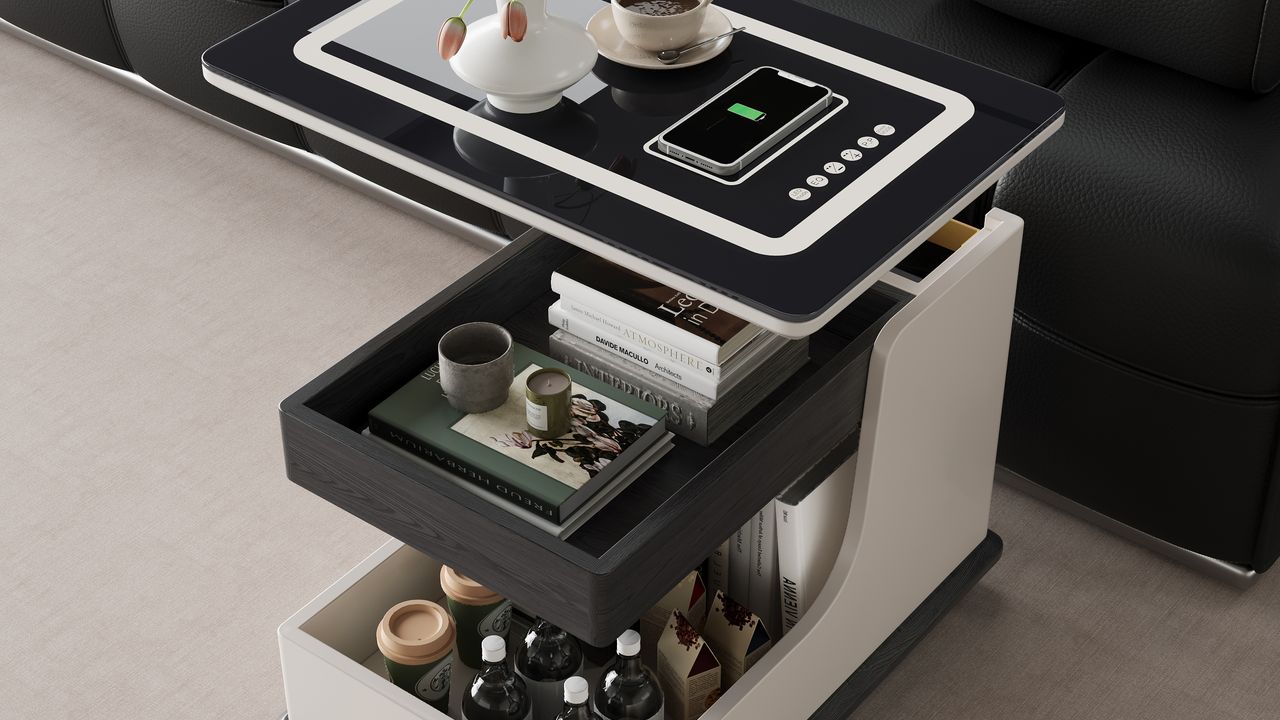
Looking for OEM bedside table supplier? Visit our complete OEM guide:
👉 What Is a Smart Nightstand System? Engineering, Standards & OEM Sourcing Guide (2026)
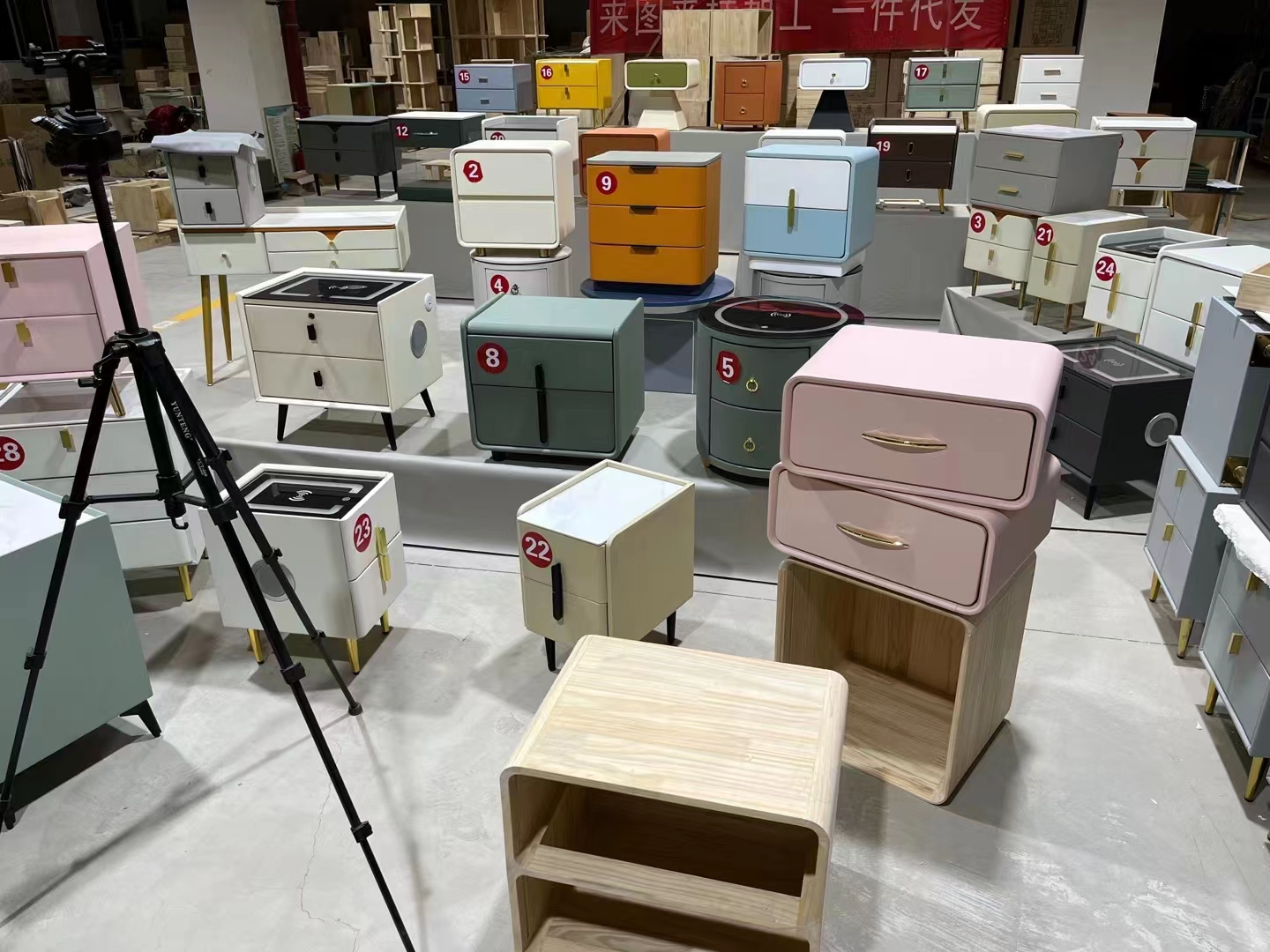
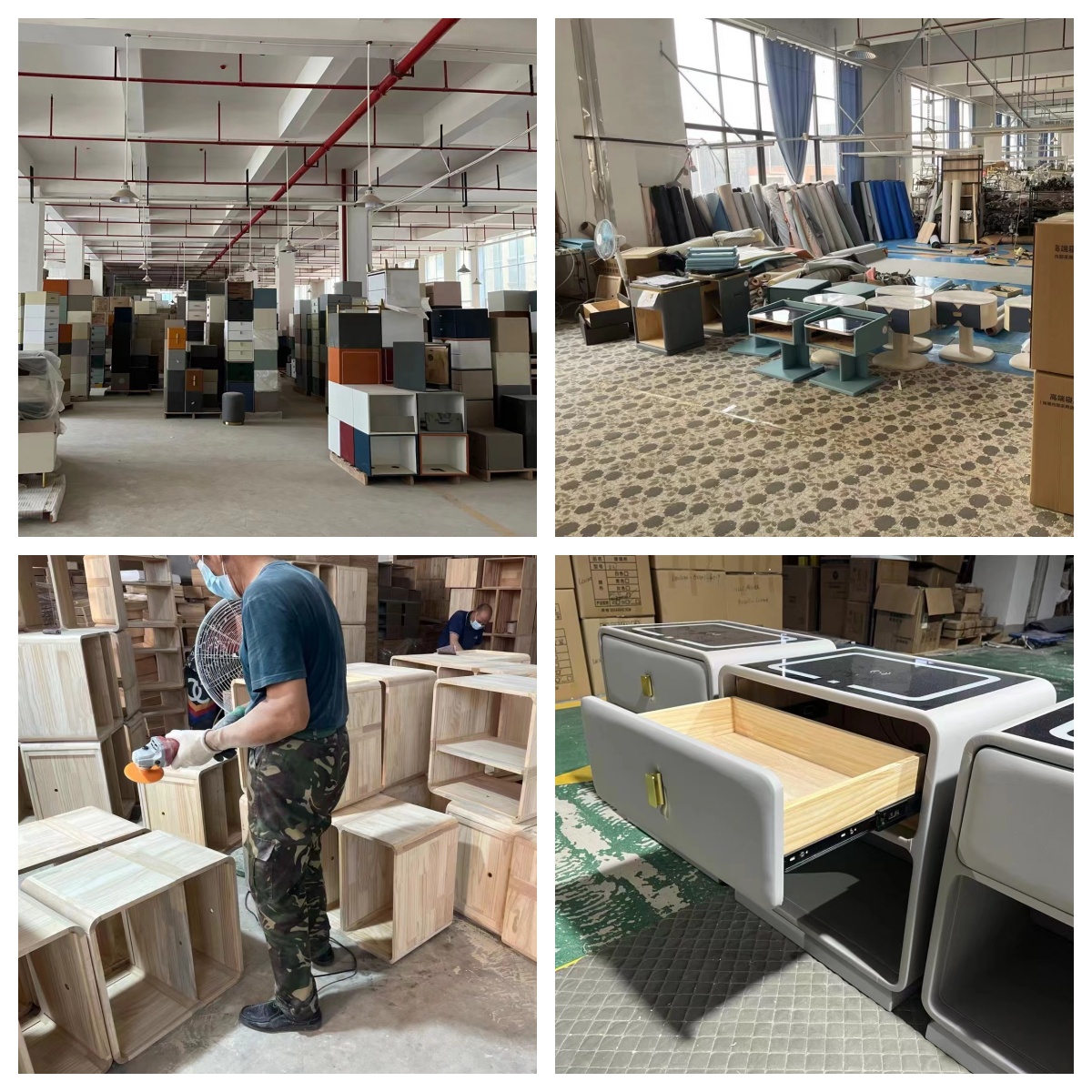
Ganzhou Hebai Wood Products Co., Ltd is a trusted bedside table manufacturer in China specializing in OEM smart and upholstered nightstands.
👉Looking for OEM bedroom furniture? Explore our Smart bedside table.
Wireless Charging Nightstand OEM Guide: Qi Standard, 10W/15W Power, Heat Control & Furniture Integration
Published: April 22, 2026
Last Updated: May 29, 2026
Reviewed by Hebai Furniture Product Development & Export Team
Quick Answer
A good wireless charging nightstand should use a Qi-compliant or Qi-certified charging module, support stable 10W–15W adaptive output, control surface temperature around 40°C–45°C, and maintain proper coil-to-surface distance.
For hotels, apartments, furniture brands, and OEM projects, stable charging, low heat, replaceable module design, and compatibility with both iPhone and Android devices are more important than simply advertising the highest wattage.
Need a wireless charging nightstand for your project?
Tell us your target market, surface material, charging power requirement, and order quantity. We can recommend a suitable 10W, 15W, adaptive, or Qi2-ready wireless charging solution for your bedside table project.
👉 [Request OEM Wireless Charging Nightstand Solution]
Wireless charging has become one of the most requested features in modern bedside furniture. In hotels, apartments, and residential furniture retail, users increasingly expect to place a phone on the nightstand and charge without cables.
For OEM buyers, however, adding wireless charging is not simply inserting a charger module under the tabletop. Performance depends on:
Qi certification compatibility
Coil design
Charging power management
Thermal control
Surface material thickness
User alignment tolerance
Long-term reliability
Many low-cost wireless charging furniture products look similar but perform very differently in real use.
This guide explains how to evaluate a wireless charging bedside table OEM project using measurable standards rather than marketing claims.
What Is the Qi Standard?
The Qi standard is the global wireless charging standard developed by the Wireless Power Consortium. It defines interoperability between charging transmitters and receivers, helping ensure compatible devices charge safely and consistently. (Wireless Power Consortium)
Today there are 13,000+ Qi Certified products in market circulation according to WPC public materials. (Wireless Power Consortium)
Why This Matters for Furniture Buyers
If a furniture charger uses non-compliant modules, users may experience:
Slow charging
Charging interruptions
Excess heat
Device incompatibility
Higher warranty claims
For bedside furniture, the charger must work with many brands of phones, not just one model.
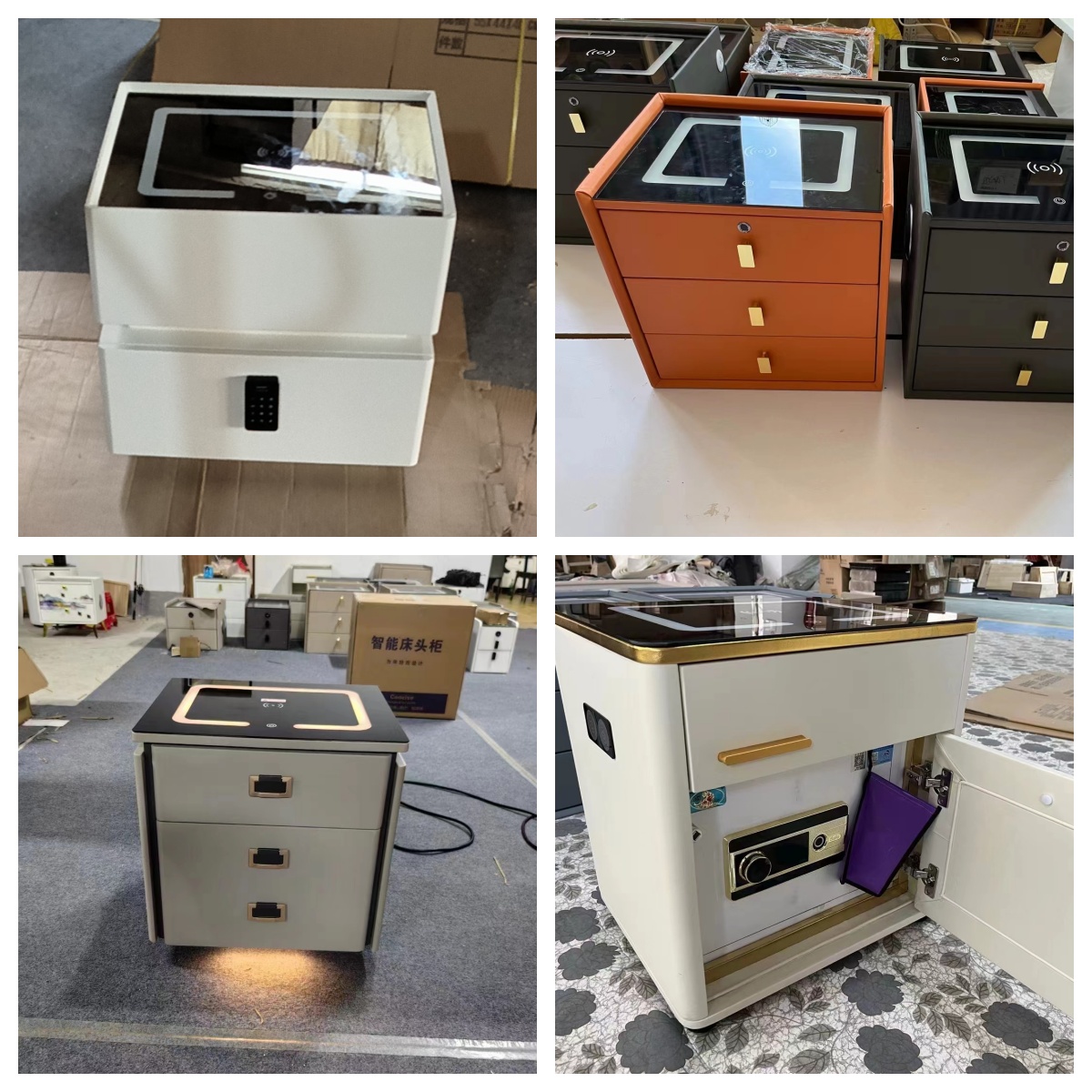
Why Mature Qi 1.x Modules Still Matter in Furniture OEM Projects
Although Qi2 and Qi2 25W are gaining more attention in the consumer electronics market, many furniture OEM projects still choose mature Qi 1.x-based wireless charging modules.
The reason is practical. Bedside furniture is not a simple desktop charging pad. It must support stable daily use, controlled heat, long service life, replaceable modules, and compatibility with different phone models. For hotels, apartments, distributors, and wholesale furniture programs, reliability is often more important than the highest advertised charging wattage.
A mature 10W–15W adaptive Qi module can still be a strong choice when it supports:
Stable charging through the selected tabletop material
Verified compatibility with iPhone and Android devices
Foreign object detection
Temperature monitoring
Automatic power reduction
Replaceable module structure
CE / FCC / RoHS support for export markets
For furniture buyers, the key question is not only whether the module uses the newest wireless charging standard. The more important question is whether it can pass real furniture integration tests, including surface thickness, heat control, coil alignment, adapter stability, and long-term replacement requirements.
Qi2 and Qi2 25W: Should Furniture Buyers Upgrade Now?
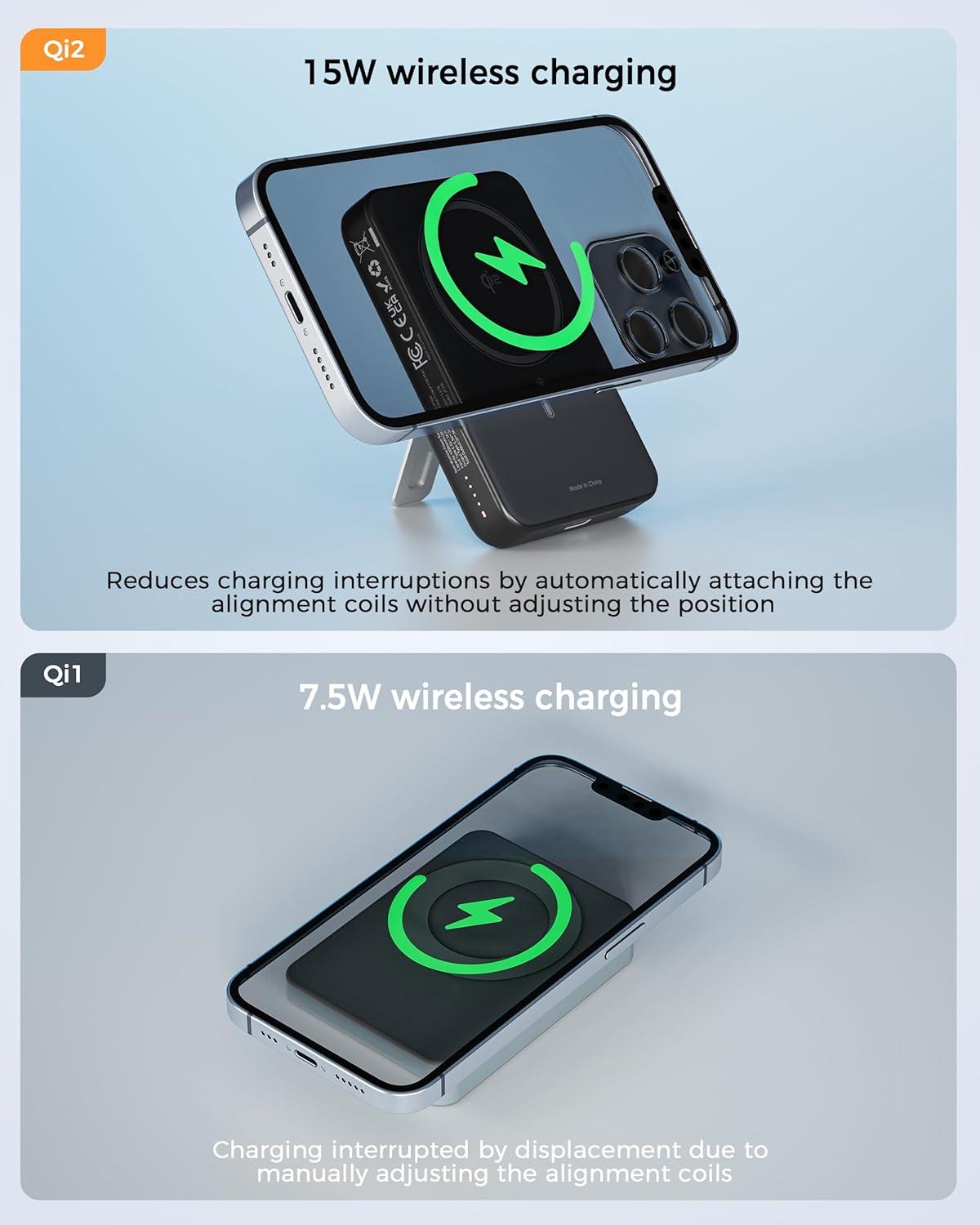
Qi2 and Qi2 25W are important trends in wireless charging. Compared with older Qi 1.x systems, Qi2 improves magnetic alignment and charging consistency, while Qi2 25W raises the power ceiling for compatible devices.
However, furniture integration is different from using a standalone wireless charging pad. In a nightstand, the charging module must work through wood, glass, or engineered panels, while also managing heat inside a furniture structure.
Before choosing Qi2 or Qi2 25W for a wireless charging nightstand project, buyers should confirm:
Can the module charge consistently through the selected tabletop material?
Does the furniture structure provide enough ventilation around the charging module?
Is the charging area clearly marked for hotel guests or end users?
Can the system reduce power automatically when surface temperature rises?
Is the module easy to replace or upgrade in future production batches?
Does the power adapter match the required charging output?
For most hotel and B2B furniture projects, a stable 10W–15W adaptive Qi solution is still a practical and reliable choice. Qi2 or Qi2 25W can be considered for premium retail furniture, luxury apartments, and smart home collections, but only when thermal control, surface thickness, coil position, and power adapter requirements are engineered correctly.
10W vs 15W vs Adaptive Charging
Charging wattage is one of the most misunderstood specifications.
Comparison Table
Charging Level | Typical Use Case | User Experience | Heat Load | Best For |
10W | Mainstream | Good overnight charging | Lower | Hotels |
15W | Faster charging | Better convenience | Medium | Premium projects |
Adaptive 5/7.5/10/15W | Smart negotiation | Best compatibility | Managed | Best OEM option |
Real Buying Insight
Higher wattage does not always mean better results.
Why?
Because phones often reduce charging speed based on:
Battery temperature
Device brand restrictions
Alignment quality
Case thickness
Battery state of charge
Recommendation
For hospitality projects, 10W or adaptive charging often provides the best balance between user satisfaction and reliability.
Charging Efficiency ≥80%: What It Means
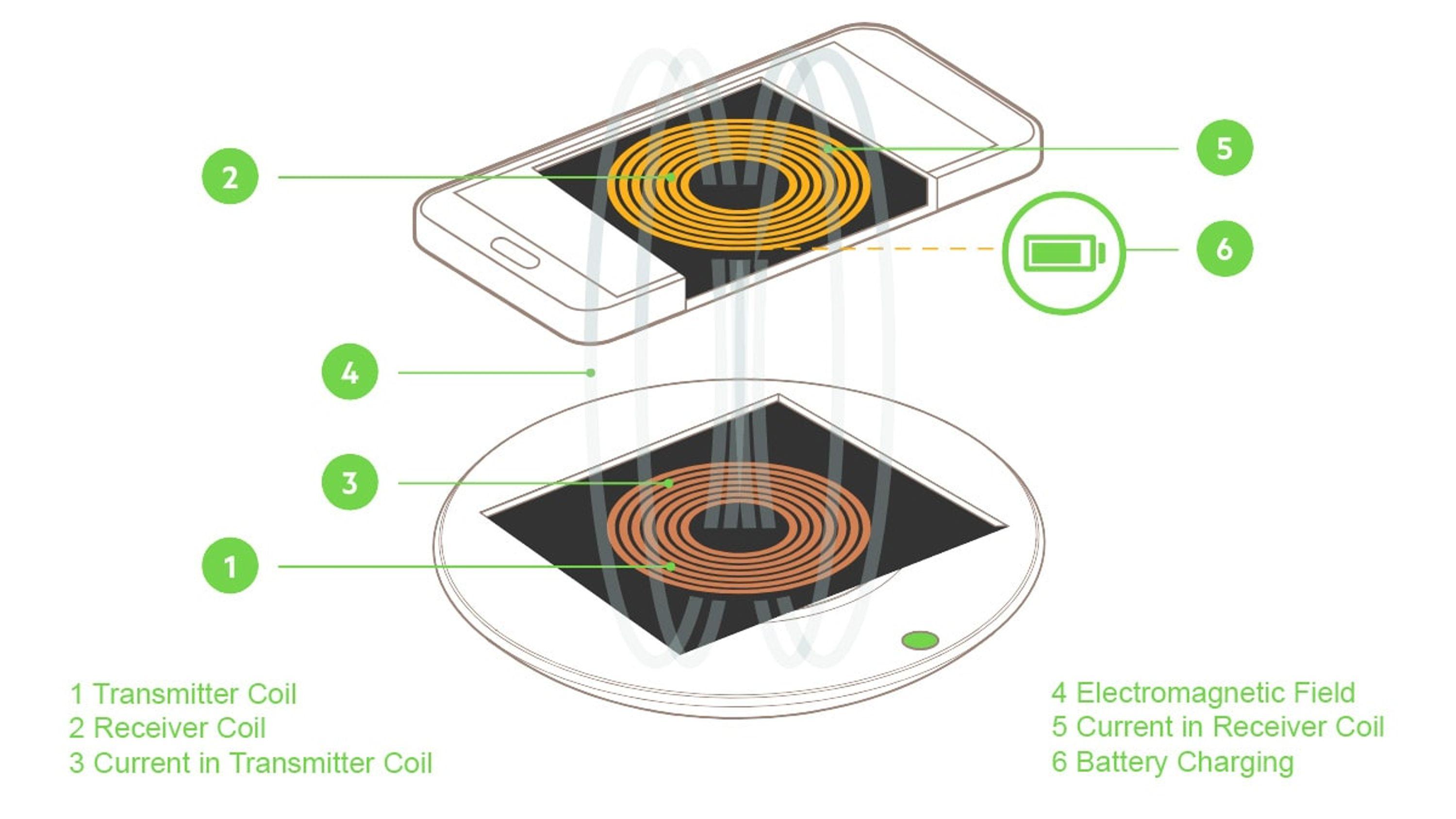
Wireless charging is inherently less efficient than direct wired charging because energy transfers across an air gap using magnetic induction.
A practical benchmark such as ≥80% transfer efficiency indicates the system is reasonably optimized under test conditions.
Why Efficiency Matters in Furniture
Poor efficiency creates:
More heat
Slower charging perception
Higher standby energy waste
Lower customer satisfaction
Buyer Tip
Ask suppliers:
At what distance was efficiency measured?
With what phone model?
At what room temperature?
With glass installed or direct test only?
Those details matter more than a headline number.
Thermal Control: 40°C vs 45°C Difference
Not sure whether your design can support stable wireless charging?
Send us your nightstand drawing, tabletop thickness, and target charging power. Our team can help review coil position, heat control, and module structure before sampling.
Temperature control is one of the most important but least advertised aspects of furniture wireless charging.
Why Heat Happens
Wireless charging creates heat from:
Coil resistance losses
Misalignment losses
Phone battery charging heat
Enclosed furniture cavity heat buildup
40°C vs 45°C Practical Difference
Surface Temperature | Practical Meaning |
≤40°C | More comfortable touch, lower thermal stress |
41–45°C | Acceptable but warmer |
>45°C | Increased throttling risk, worse user perception |
Real-World Insight
In real use, many phones automatically reduce charging speed when battery temperature rises. This is why furniture buyers should evaluate wireless charging performance together with thermal control, ventilation space, and surface material thickness.
Procurement Recommendation
For bedside furniture, request:
Temperature sensor feedback
Power derating logic
Ventilation spacing around module
Thermal test report at 25°C ambient
Single Coil vs Multi-Coil Design
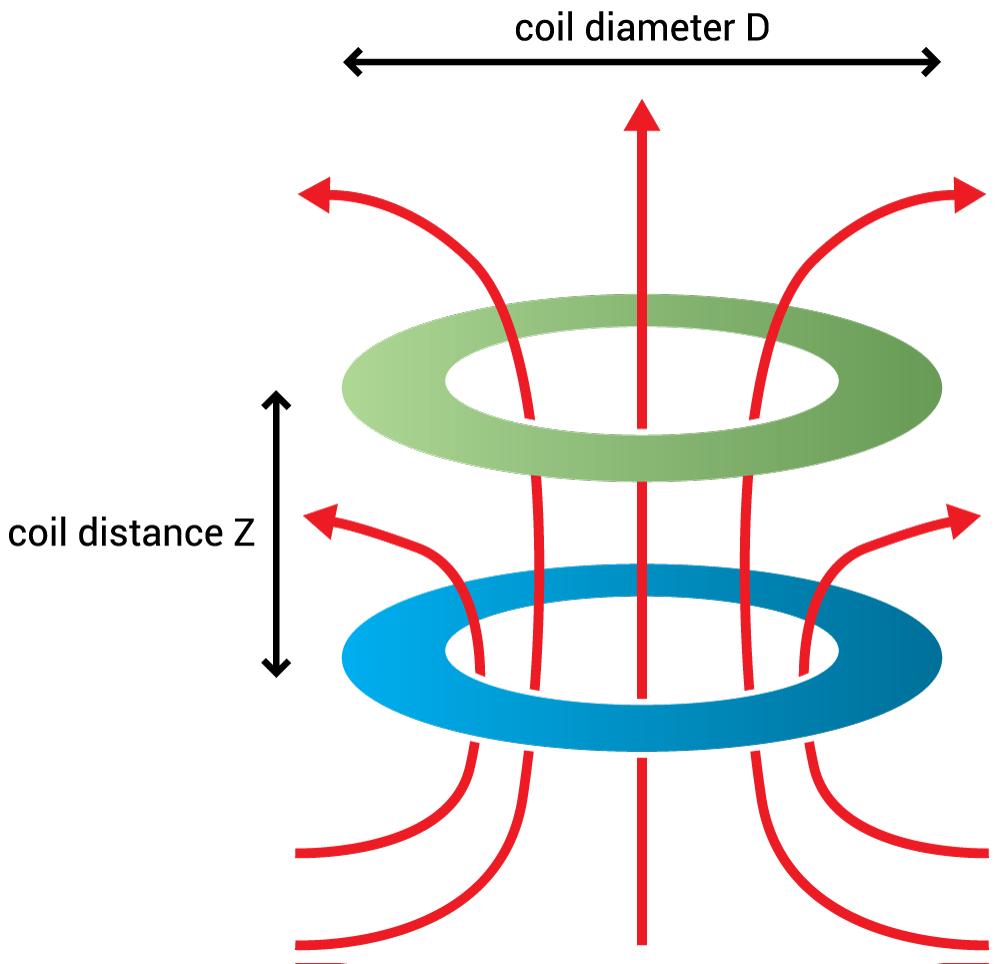
Single Coil
Advantages
Lower cost
Simpler electronics
Lower standby power
Easier reliability control
Limitations
Requires better phone placement alignment
Multi-Coil
Advantages
Larger placement area
Easier user alignment
Better convenience perception
Limitations
Higher cost
More heat potential
More complex EMI and control logic
Buyer Guidance
Project Type | Recommended |
Budget OEM | Single coil |
Hotel Mid-range | Optimized single or dual zone |
Premium Retail | Multi-coil |
Luxury Smart Furniture | Advanced multi-coil |
Why Furniture Surface Thickness Matters
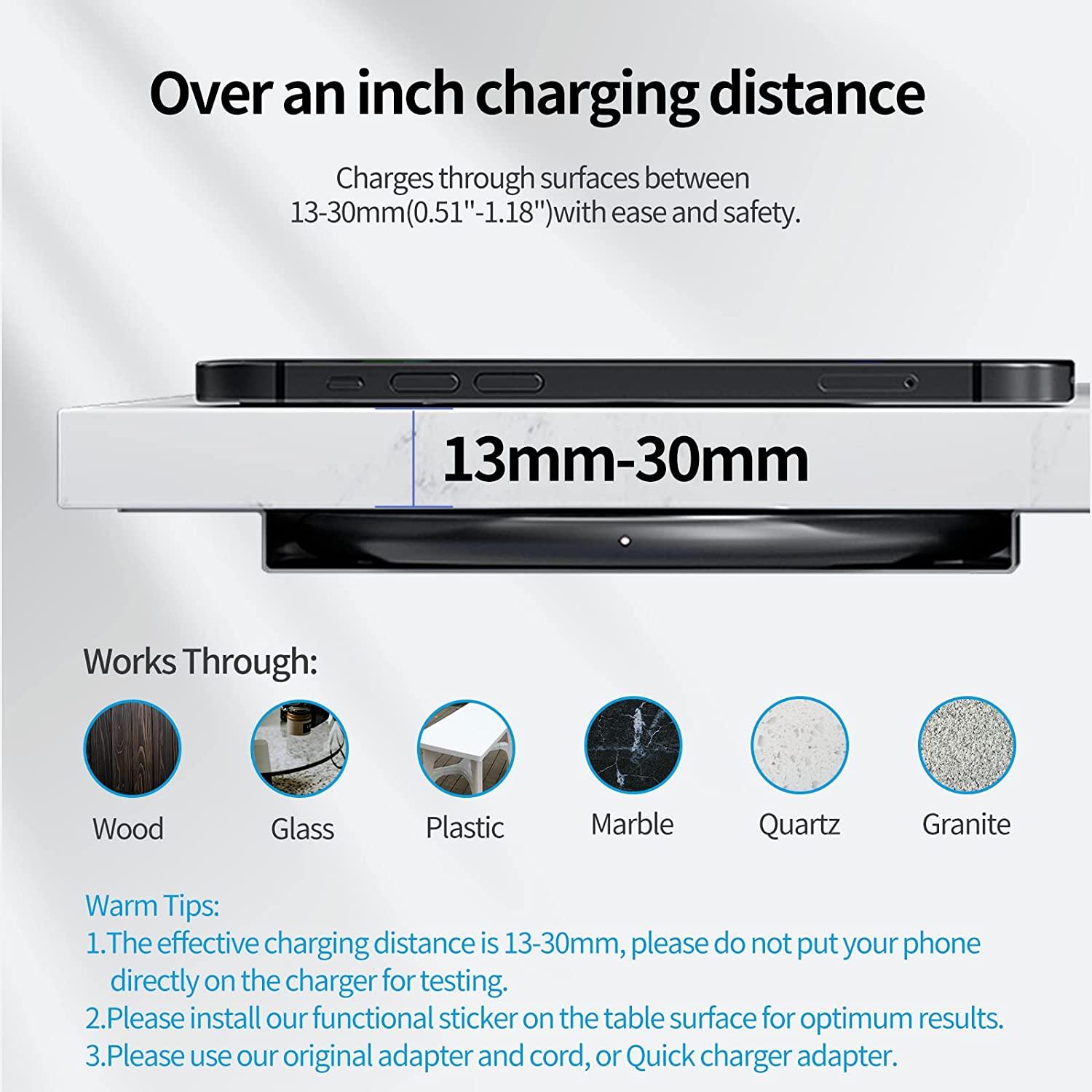
Wireless charging in furniture works through distance. Total separation includes:
Glass / wood / veneer thickness
Decorative layers
Air gap
Phone case thickness
If distance becomes excessive:
Alignment tolerance shrinks
Efficiency drops
Heat rises
Charge starts/stops intermittently
Smart Nightstand Rule of Thumb
For projects using tempered glass smart panels, glass thickness, coating, icon printing, and panel assembly also affect the final charging experience. For a deeper explanation, see our tempered glass smart panel engineering guide.
👉 tempered glass smart panel engineering guide
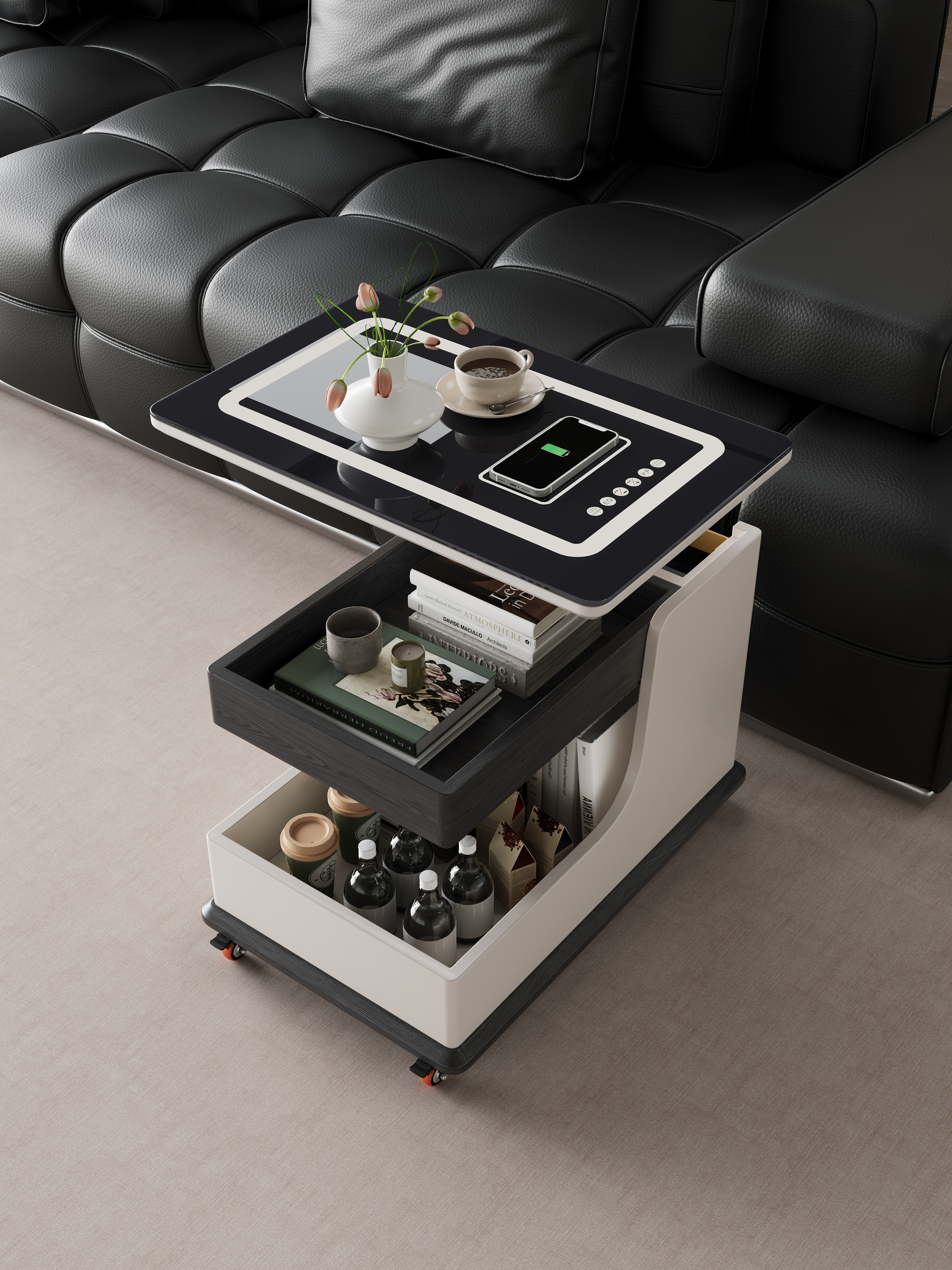
A well-designed 4mm tempered glass top often balances premium feel and charging performance better than unnecessarily thick surfaces.
Recommended Factory Test Before Mass Production
Before mass production, buyers should confirm whether the wireless charging nightstand has passed practical furniture integration tests, not only basic module testing.
Recommended tests include:
- Charging test with iPhone and Android phones
- Case-on charging test
- 30-minute full-load temperature test
- Charging interruption test
- Misalignment tolerance test
- Foreign object detection test
- Adapter input stability test
- Surface temperature record
- Replaceable module inspection
- Packaging vibration test for export shipment
These tests help reduce common complaints such as slow charging, charging interruption, overheating, poor alignment, and after-sales replacement issues.
Common Charging Failures
This is where many OEM projects fail.
1. Phone Misalignment
Most common issue. User places phone outside coil center.
2. Thick Phone Case
Metal plates or thick cases reduce coupling.
3. Overheated Device
Phone slows charging automatically.
4. Poor Module Quality
Cheap modules may advertise 15W but perform inconsistently.
5. Excessive Surface Thickness
Furniture design blocks magnetic efficiency.
6. Weak Power Adapter Input
If upstream adapter is underpowered, output falls.
7. EMI Interference
Nearby electronics or poor grounding affect operation.
8. No Foreign Object Detection
Coins/keys may trigger safety interruptions.
Before placing an OEM order
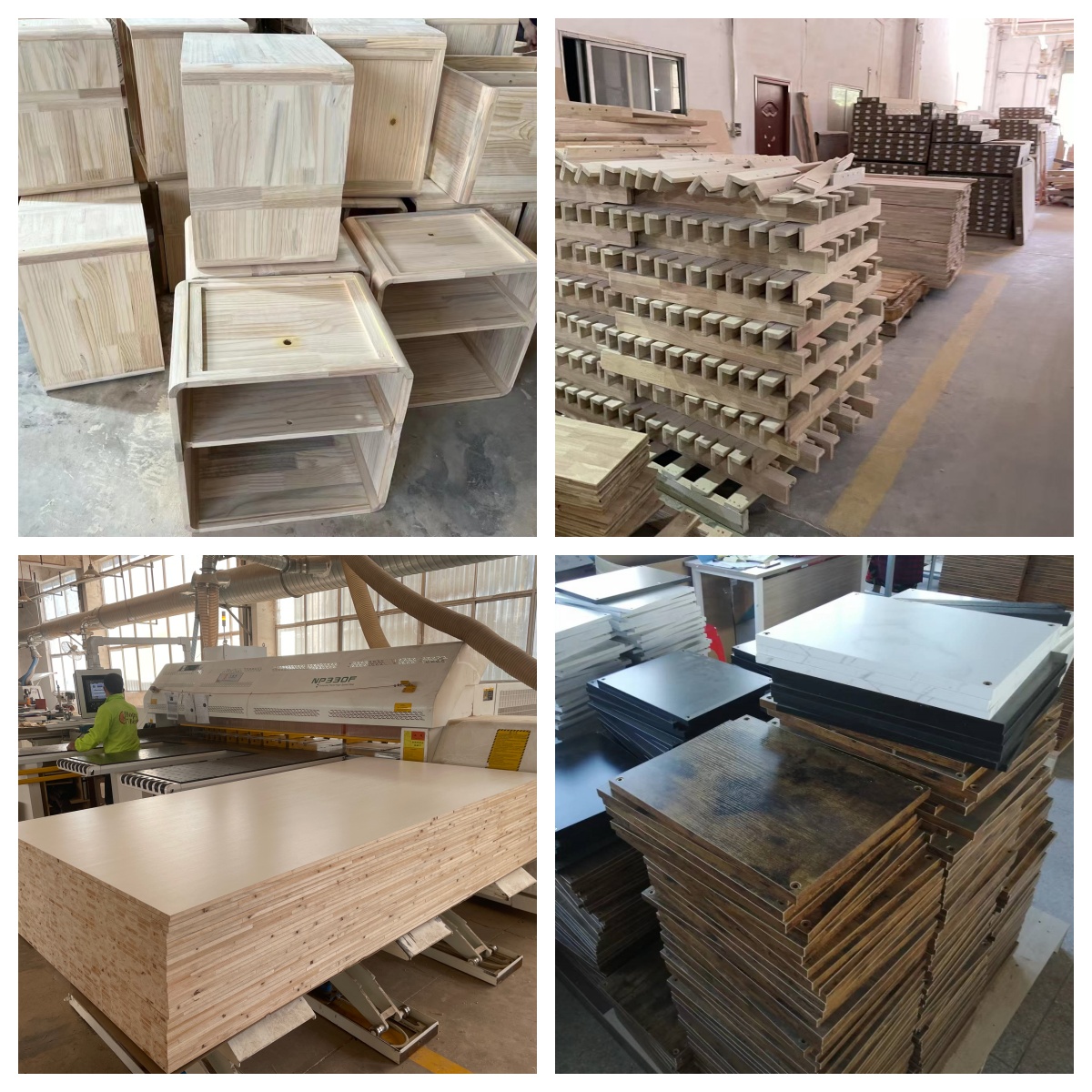
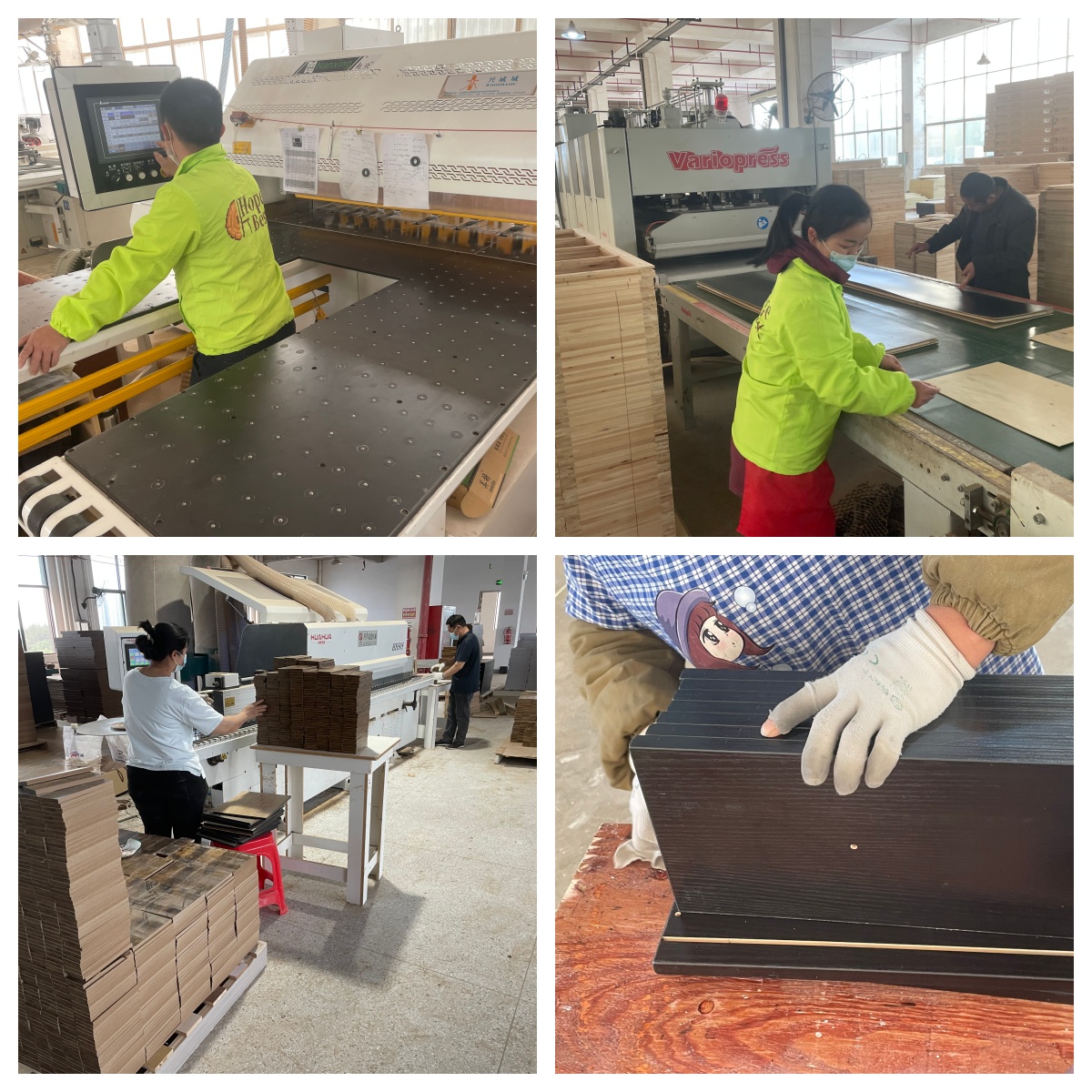
Ask your supplier for a real charging test, surface temperature record, coil position drawing, and export compliance documents. These details help reduce after-sales complaints and improve long-term project reliability.
OEM Factory Checklist for Wireless Charging Nightstands
Wireless Charging Nightstand Specification Recommendation
For B2B buyers, the best wireless charging specification depends on the project type, user expectation, and after-sales risk tolerance.
Project Type | Recommended Charging Power | Coil Design | Surface Recommendation | Key Priority |
Economy hotel | 10W adaptive | Single coil | Thin wood or 4mm glass | Low heat and low complaint rate |
Mid-range hotel | 10W–15W adaptive | Optimized single coil or dual-zone | Glass or engineered wood | Stable charging and easy replacement |
Serviced apartment | 15W adaptive | Larger alignment zone | Durable surface with marked charging area | Daily convenience |
Retail furniture brand | 15W adaptive or Qi2-ready option | Single / multi-coil | Premium finish with clear charging mark | Product differentiation |
Luxury smart home | Qi2 / multi-coil option | Multi-coil or magnetic alignment | Engineered surface | Premium user experience |
Ask suppliers for the following:
Compliance
Qi certification ID or module certification path
CE / FCC / RoHS if export relevant
Functional Testing
Charging test with iPhone + Android models
Case-on charging test
Misalignment tolerance test
Thermal Testing
30-minute full load temperature chart
Auto power reduction logic
Furniture Integration
Coil-to-surface distance drawing
Replaceable module structure
Cable routing safety
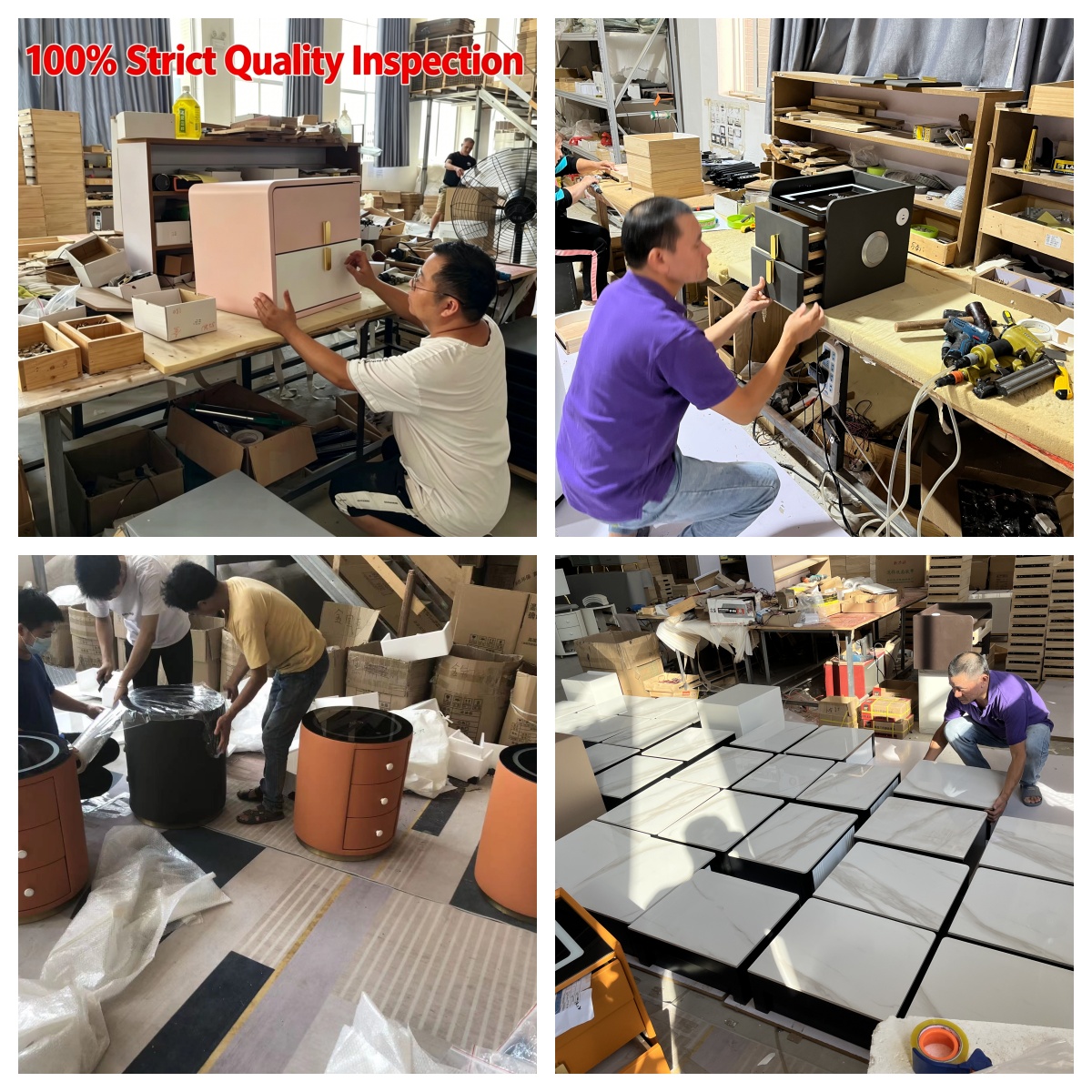
Recommended Specs by Buyer Type
Hotel Projects
10W or adaptive charging
Large alignment zone
Low heat priority
Replaceable module design
Apartment Developers
15W charging
USB-C backup port
Durable surface material
Retail Brands
15W adaptive
Premium branding marks
Multi-coil convenience positioning
Luxury Smart Homes
Multi-coil
Lighting integration
Smart scene control
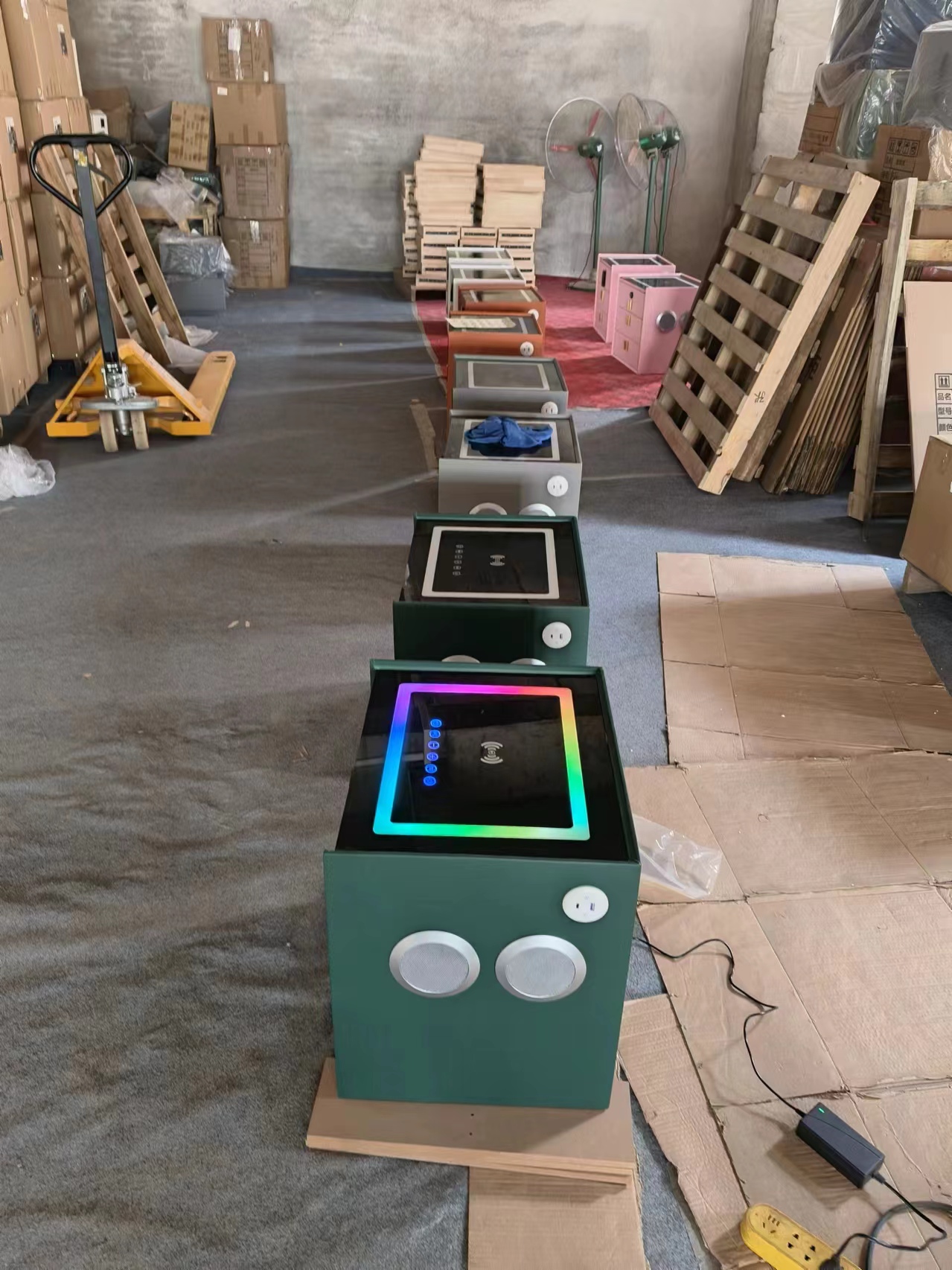
Application Scenarios
Hotels
Guest convenience without cable clutter.
Serviced Apartments
Long-stay users value bedside charging.
Retail Furniture Stores
Wireless charging increases perceived smart value.
Integrated charging + lighting + connectivity ecosystem.
Who This Guide Is For?
This guide is written for buyers sourcing wireless charging bedside table OEM projects, Qi furniture charger solutions, smart bedside table wireless charger systems, hotel wireless charging nightstands, and OEM smart nightstand programs.</p>
It is especially useful for importers, hotel furniture contractors, apartment developers, retail furniture brands, and distributors who need a reliable wireless charging nightstand supplier.</p>
Summary
Wireless charging furniture should be judged by engineering performance, not by wattage claims alone.
Best Practical Conclusions
Qi-compliant modules outperform generic no-name modules
10W is often enough for hotels
15W is useful for premium buyers
Adaptive charging gives best compatibility
≤40°C operation improves perception and reliability
Surface thickness must be optimized, not maximized
Coil alignment matters as much as power rating
For most B2B projects, a stable 10W–15W adaptive system with strong thermal control creates better long-term results than chasing the highest advertised wattage.
Want a wireless charging module recommendation?
We can help compare 10W, 15W, adaptive charging, and Qi2-ready options based on your market, budget, and furniture structure.
👉Request a Wireless Charging Module Recommendation
FAQ
1. Is 15W always faster than 10W?
Not always. Phones may limit power based on heat and battery state.
2. What is the safest choice for hotels?
10W or adaptive charging with strong thermal control.
3. Why does charging stop overnight?
Often misalignment or thermal throttling.
4. Do all phones support Qi?
Many modern phones do, but supported wattage differs by model.
5. Is multi-coil worth it?
Yes for convenience-focused premium projects.
6. Why does my phone get warm?
Some heat is normal; excessive heat suggests inefficiency or poor alignment.
7. Should furniture use thick glass tops?
Only if charging distance is engineered correctly.
8. How do I verify certification?
Use official Qi certified product databases where available. (无线电源联盟)
9. Can wireless charging replace USB ports?
Usually no. Best practice is wireless + USB-C together.
10. What matters most in OEM buying?
Stable charging, low heat, replacement support, and verified testing.
11. Can wireless charging be installed under a glass tabletop?
Yes. Wireless charging can work under glass if the thickness, coil distance, and module power are engineered correctly. For smart nightstands, 4mm tempered glass is often a practical balance between premium appearance and charging performance.
12. What documents should buyers request from a wireless charging nightstand supplier?
Buyers should request the module specification, test report, compliance documents, coil placement drawing, temperature test data, and sample confirmation before bulk production.
13. Is Qi2 necessary for hotel wireless charging nightstands?
Not always. Hotels usually need stable overnight charging, low heat, easy maintenance, and broad phone compatibility. A reliable 10W–15W adaptive Qi system may be more practical than a higher-power Qi2 system if the furniture structure cannot support proper heat control.
14. Can the wireless charging module be replaced after shipment?
It should be designed as a replaceable module whenever possible. This helps hotels, distributors, and furniture brands reduce maintenance cost and upgrade the charging system in future production batches.
15. What causes the most complaints in wireless charging bedside tables?
The most common complaints are slow charging, charging interruption, phone misalignment, heat, thick phone cases, and unclear charging position marking. Most of these issues can be reduced through better coil placement, thermal control, and pre-production testing.
Download the Wireless Charging Nightstand OEM Checklist
Planning a smart nightstand project with built-in wireless charging? Request our OEM checklist to compare charging power, Qi compatibility, surface thickness, heat control, module structure, and factory testing requirements before sampling.
The checklist can help you confirm:
- 10W / 15W / Qi2-ready option selection
- Coil placement requirements
- Surface thickness limits
- Heat control standards
- Export compliance documents
- Sample approval points
- Mass production inspection items
👉[Request Free OEM Checklist]
👉 Ganzhou Hebai Wood Products Co., Ltd
supplier China / manufacturer China / OEM factory
✔Web:https://hebaifurniture.com/
✔Email:vincent@hebaifurniture.com
✔whatsapp:+86 15207972272
Related Articles
👉 What Is a Smart Nightstand System? Engineering, Standards & OEM Sourcing Guide
👉 Top 10 Modern Bedside Table Designs for 2026 (Trends, Materials & Buying Guide)