
MDF vs Solid Wood vs Plywood: A B2B Buyer’s Guide to Contract Furniture Materials
Choosing between MDF, solid wood, and plywood for contract furniture? Compare density, moisture resistance, durability, and cost. Includes application recommendations for hotels, apartments, and healthcare.
Introduction: Why Material Choice Determines Furniture Lifespan
In contract furniture, the material hidden beneath the surface matters as much as the visible finish. A beautiful bedside table that warps after six months of hotel housekeeping is not a bargain—it is a liability.
Three materials dominate contract furniture manufacturing: MDF (Medium-Density Fiberboard) , solid wood, and plywood. Each has distinct properties that make it suitable for different applications, budgets, and performance requirements.
According to industry data, the global engineered wood market (including MDF and plywood) is projected to reach $390 billion by 2030, driven by demand from the construction and furniture sectors . Yet confusion persists among buyers about which material to specify for their projects.
This guide cuts through the marketing claims. You will learn the technical differences between MDF vs solid wood furniture materials, their performance in commercial environments, and—most importantly—which to choose for your specific application.
Key Statistic: In contract furniture applications, material choice accounts for approximately 60% of product lifespan variability , according to furniture durability studies.
[Video Placeholder: “MDF vs Solid Wood vs Plywood: Material Science for Buyers” – A 3-minute visual guide showing density, cutting, and moisture testing.
Smart Bedside Table Buying Guide (USB, Wireless Charging, Lighting & More)
Section 1: Understanding Each Material – Composition and Properties
Before comparing performance, you need to understand what each material actually is.
MDF (Medium-Density Fiberboard)
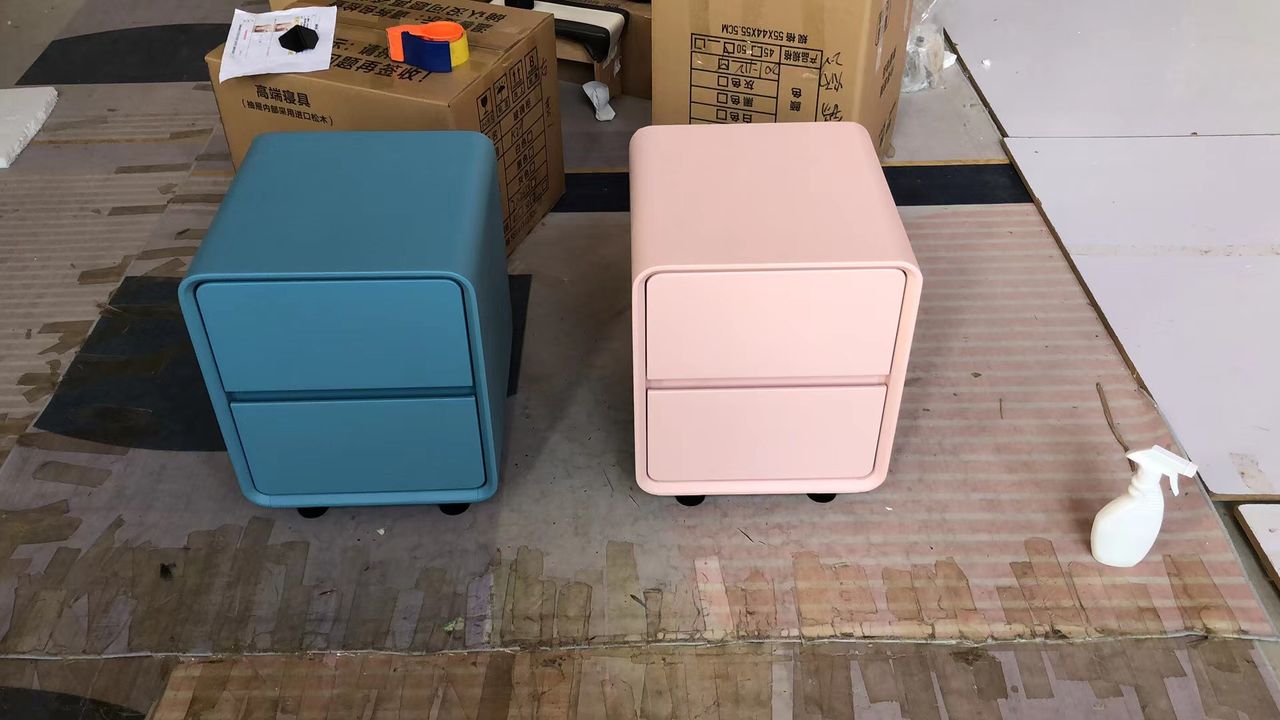
What it is: MDF is an engineered wood product made by breaking down hardwood and softwood residuals into wood fibers, combining them with wax and resin binders, and forming panels under high temperature and pressure.
Property-------------------------Specification
Density--------------------------600–800 kg/m³ (typical)
Composition--------------------Wood fibers + synthetic resin (urea-formaldehyde or MDI)
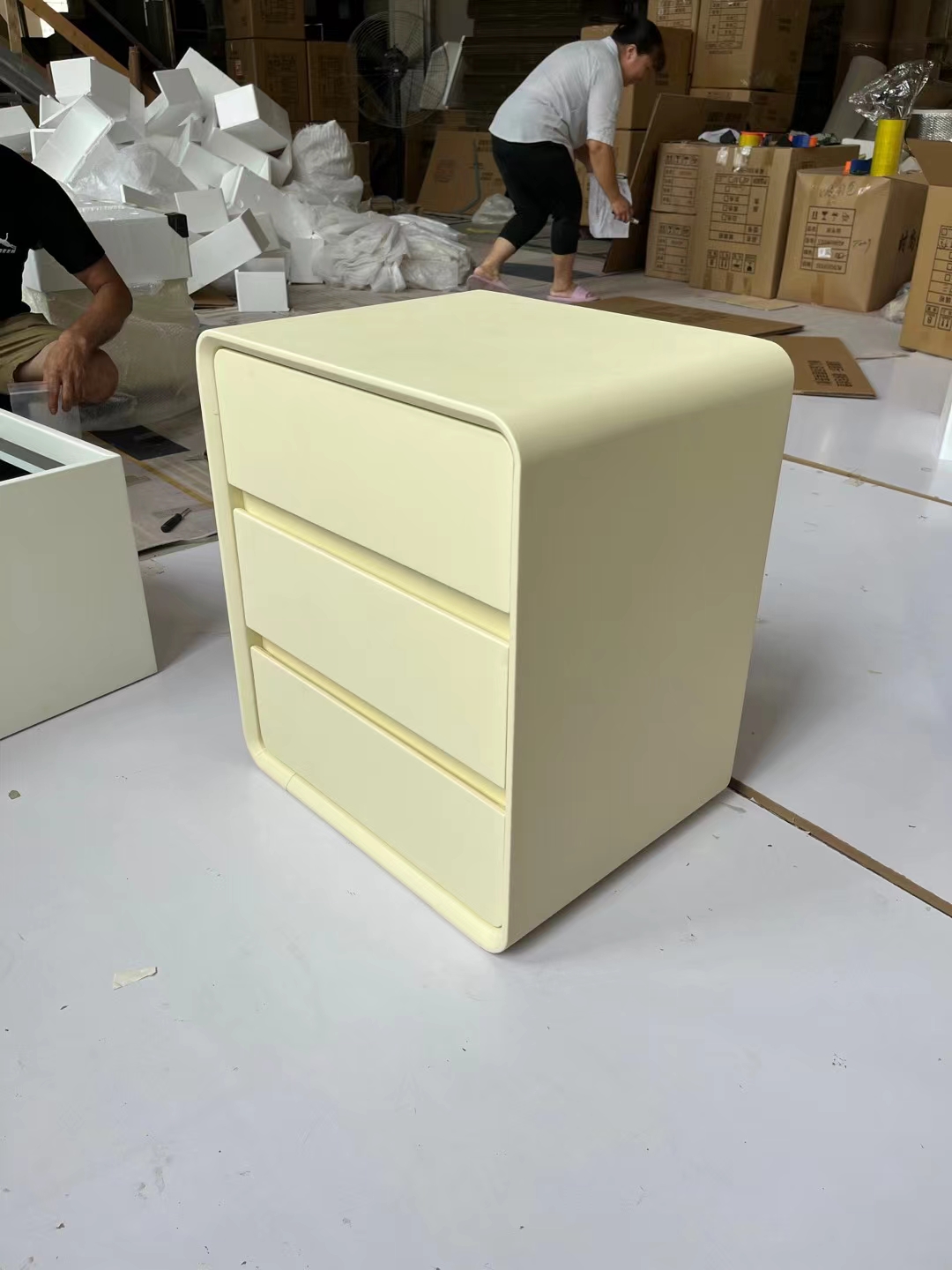
Surface-------------------------Extremely smooth, no grain
Edge appearance---------------Uniform, tan/brown color
Best for: Painted finishes, high-precision CNC cutting, stable panels that will not warp
Limitations: Low moisture resistance (unless specially treated); heavy
Solid Wood
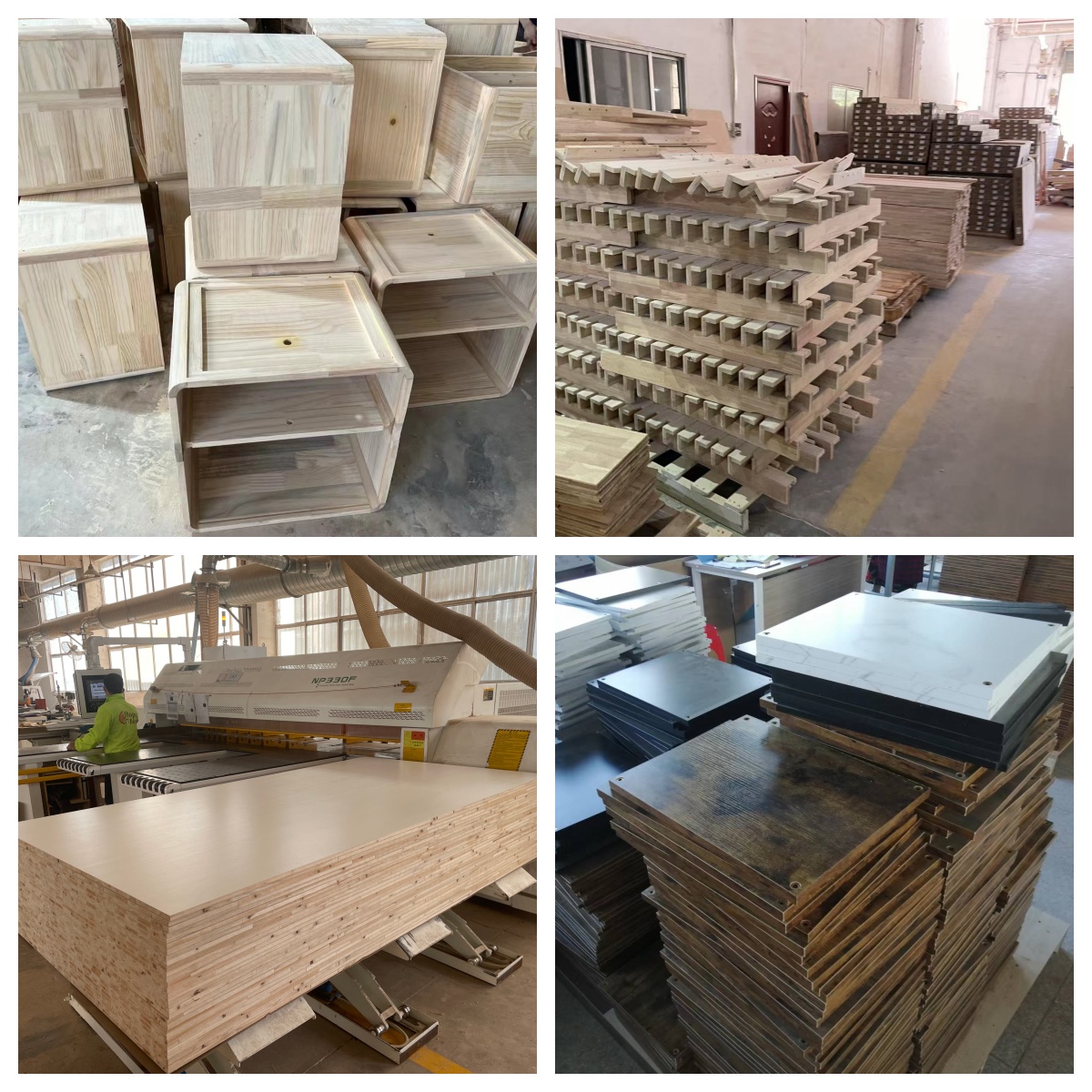
What it is: Solid wood is natural lumber cut directly from trees. Common species for furniture include oak, maple, walnut, cherry, birch, and rubberwood.
Property-----------------Specification
Density-----------------Varies by species: 500–900 kg/m³
Composition-----------100% natural wood
Surface----------------Natural grain pattern, unique to each piece
Edge appearance-----Visible grain, can be shaped
Best for: Luxury properties, high-end residential, applications where natural beauty is primary
Limitations: Expensive; can warp or crack with humidity changes; requires more maintenance
Plywood
What it is: Plywood is an engineered wood made by cross-laminating thin layers (plies) of wood veneer with adhesive. The alternating grain direction gives it exceptional stability.
Property-------------------Specification
Density--------------------450–700 kg/m³ (depending on species)
Composition--------------Cross-laminated wood veneers
Surface------------------Visible veneer grain; can have knots
Edge appearance--------Layered striping effect
Best for: Structural applications, drawer boxes, furniture that requires screw-holding strength
Limitations: Visible edges require edge banding or finishing; quality varies significantly by grade
10 Types of Bedside Tables + Wholesale & Custom Manufacturer Guide 2026
Section 2: Head-to-Head Comparison – 6 Key Performance Metrics
1. Density and Weight
Material-----------------------Relative Density----------------Impact on Furniture
MDF-------------------------High (heaviest)------------------Stable, hard to tip over, but heavy to ship
Solid Wood------------------Medium-High-------------------Moderate weight, natural feel
Plywood---------------------Medium (lightest)---------------Lighter shipping costs, easier to handle
Winner for shipping: Plywood
2. Moisture Resistance
Moisture is the enemy of all wood-based materials, but some resist better than others.
Material-----------------------------Moisture Resistance------------------Failure Mode
MDF (standard)----------------------Low----------------------------------Swells, disintegrates when wet
MDF (MR – moisture resistant)-------Medium-----------------------------Withstands humidity, not standing water
Solid Wood--------------------------Medium-----------------------------Can warp or crack with humidity swings
Plywood----------------------------Medium-High------------------------Most dimensionally stable; resists warping
Critical Note: For hotel bathrooms or any area with moisture exposure, standard MDF is NOT recommended. Specify MR-MDF (moisture-resistant) or use plywood.
Winner for moisture-prone environments: Plywood
3. Screw-Holding Strength
How well does the material hold screws and hardware over time?
Material--------------------Screw-Holding Strength-------------------------Notes
MDF------------------------Good for once-installed screws-----------------Strips if screws are removed and reinserted
Solid Wood-----------------Excellent----------------------------------------Can be re-screwed multiple times
Plywood--------------------Excellent----------------------------------------Cross-lamination holds screws securely
Winner for hardware attachment: Solid wood / Plywood (tie)

4. Surface Smoothness and Finishing
Material------------------Surface Quality-----------------------Best Finish
MDF---------------------Perfectly smooth, no grain------------Paint, laminate, veneer
Solid Wood--------------Natural grain, requires sanding-------Clear coat, stain, oil
Plywood----------------Smooth but may show grain-----------Laminate, paint (with primer), veneer
Winner for painted finishes: MDF
5. Durability in Commercial Use
Based on industry testing and warranty claims:
Material----------------------Expected Lifespan (Contract Use)--------------------------Typical Warranty
MDF (standard)--------------3-5 years---------------------------------------------------1 year
MDF (MR/high-density)-----5-7 years----------------------------------------------------2-3 years
Solid Wood-----------------10-20+ years-------------------------------------------------5-10 years
Plywood--------------------8-15 years----------------------------------------------------3-5 years
Winner for longevity: Solid wood
6. Cost Comparison (Raw Material, FOB China)
Material----------------------Relative Cost (per panel/unit)-------------------------------Typical Application
MDF (standard)-------------$ (Lowest)----------------------------------------------------Budget hotels, short-term rentals
MDF (MR)-------------------$$------------------------------------------------------------Mid-scale hotels
Plywood--------------------$$-$$$-------------------------------------------------------Quality contract furniture
Solid Wood-----------------$$$-$$$$ (Highest)------------------------------------------Luxury properties, boutique hotels
Section 3: Material Grades – Not All MDF or Plywood Is Equal
Buyers often make the mistake of treating each material as a single category. In reality, grades vary significantly.
MDF Grades
Grade---------------------------------------Density----------------------------Moisture Resistance---------------Best Use
Standard------------------------------------600-700 kg/m³--------------------Low--------------------------------Dry environments, painted furniture
Moisture-Resistant (MR)--------------------700-750 kg/m³--------------------Medium----------------------------Hotels, kitchens, bathrooms
High-Density (HDF)------------------------800+ kg/m³------------------------Medium-High----------------------High-wear surfaces, flooring
Ultra-Low Formaldehyde (ULEF)-----------Varies------------------------------Varies------------------------------Healthcare, green buildings
Specification Tip: For hotel bedside tables, specify MR-MDF with E0 or E1 emission rating (formaldehyde levels ≤ 0.5mg/L for E0).
Plywood Grades
Grade-------------------Quality---------------Face Veneer------------------------------Best Use
A-grade----------------Highest---------------Sanded, smooth, no defects--------------Visible surfaces, high-end furniture
B-grade----------------Good------------------Minor repairs, small knots---------------Cabinetry, drawer fronts
C-grade----------------Utility-----------------Knots, splits allowed--------------------Hidden structural parts
D-grade----------------Low-------------------Defects present------------------------Sheathing, non-visible applications
Solid Wood – Species Comparison for Contract Furniture
Species--------------------Density-----------------------Cost---------------------Hardness (Janka)-------------Best For
Rubberwood---------------560-640 kg/m³--------------Low-Medium------------960 lbf-------------------------Mid-scale hotels, durable and sustainable
Birch-----------------------640-670 kg/m³--------------Medium-----------------1,260 lbf------------------------Drawers, light-colored furniture
Oak------------------------700-770 kg/m³---------------Medium-High-----------1,290 lbf------------------------High-traffic, traditional styling
Walnut---------------------640-700 kg/m³--------------High---------------------1,010 lbf------------------------Luxury properties, rich dark finish
Maple----------------------700-750 kg/m³--------------Medium-High------------1,450 lbf-----------------------High-wear surfaces, light modern look
Sourcing Note: Nankang, China’s largest solid wood furniture base, specializes in rubberwood, oak, and walnut bedside tables and hotel furniture.
Contract Bedside Table Sourcing: What Professional Buyers Must Know in 2026
Section 4: Application-Specific Recommendations
Based on the technical comparisons above, here are specific recommendations for common contract applications.
Hotel Bedside Tables
Hotel Tier--------------------------------Recommended Material---------------------------------------------Why
Budget / Economy-----------------------MR-MDF with laminate---------------------------------------------Cost-effective, durable surface, resists cleaning chemicals
Mid-Scale-------------------------------Plywood with veneer or MR-MDF with HPL-------------------------Balance of cost and durability
Upscale / Luxury------------------------Solid wood (rubberwood, oak, walnut)------------------------------Natural beauty, longevity, guest perception of quality
Boutique / Design----------------------Solid wood or high-grade plywood with specialty veneer------------Unique grain patterns, design flexibility
Apartment / Multifamily Furniture
Component---------------------------Recommended Material-------------------------Why
Bedside tables------------------------MR-MDF or plywood----------------------------Balance of durability and cost
Kitchen cabinets----------------------Plywood (cabinet-grade)-----------------------Moisture resistance, screw-holding for hinges
Wardrobes----------------------------MR-MDF with laminate-------------------------Large panels stay flat, cost-effective
Drawer boxes-------------------------Plywood---------------------------------------Cross-lamination prevents warping, holds screws
Healthcare Furniture
Application-----------------------Recommended Material--------------------------------------------------Requirement
Patient bedside tables------------MR-MDF or plywood with antimicrobial laminate-------------------------Moisture resistance from cleaning chemicals
Nurse stations-------------------Plywood or solid wood-----------------------------------------------------Durability for high-touch surfaces
Storage--------------------------MR-MDF--------------------------------------------------------------------Smooth surface for easy cleaning
Healthcare Note: Specify ULEF (ultra-low emitting formaldehyde) or NAF (no added formaldehyde) for healthcare applications.
Section 5: Sustainability Considerations
For buyers with ESG (Environmental, Social, Governance) goals, material sustainability matters.
Sustainability Comparison
Factor----------------------------MDF---------------------------------------------------------Solid Wood-----------------------------------Plywood
Uses waste wood?-------------Yes – uses wood fibers from sawmill waste-------------------No – requires whole logs----------------------Partial – uses veneer from logs
Formaldehyde concerns--------Yes – resins contain formaldehyde---------------------------No – natural wood-----------------------------Yes – resins in glue lines
FSC certification available?----Yes------------------------------------------------------------Yes-------------------------------------------Yes
Carbon footprint---------------Medium (manufacturing energy)------------------------------Low (if locally sourced)----------------------Medium
Recyclability-------------------Difficult (resin-bonded)---------------------------------------High (biodegradable)-------------------------Medium
Green Building Tip: For LEED or BREEAM certified projects, specify FSC-certified materials and ULEF (ultra-low emitting formaldehyde) or NAF (no added formaldehyde) MDF/plywood.
Section 6: Common Buyer Mistakes and How to Avoid Them
Mistake 1: Specifying Standard MDF for Bathroom Vanities
The problem: Standard MDF absorbs moisture and swells within months in humid environments.
The solution: Specify MR-MDF (moisture-resistant) or plywood for any furniture in bathrooms, kitchens, or high-humidity areas.
Mistake 2: Assuming All Plywood Is the Same
The problem: Low-grade plywood has voids, poor glue lines, and will delaminate.
The solution: Specify cabinet-grade or furniture-grade plywood with no voids and exterior-grade glue (water-resistant).
Mistake 3: Choosing Solid Wood Solely for Durability
The problem: Solid wood can warp or crack if not properly dried or if humidity fluctuates.
The solution: Ensure the factory uses kiln-dried lumber (moisture content 6-8%) and specify stable species like rubberwood or oak for contract use.
Mistake 4: Ignoring Edge Finishing
The problem: Exposed MDF or plywood edges absorb moisture and look unfinished.
The solution: Specify PVC or ABS edge banding (minimum 1mm thickness) for all engineered wood products.
Section 7: Regional Manufacturing Specialization
Different manufacturing regions specialize in different materials. Understanding this helps you source efficiently.
Region--------------------Material Specialization----------------------------------------------------------------Best For
Nankang, China----------Solid wood (rubberwood, oak, walnut) – China’s largest solid wood base--------------Solid wood bedside tables, hotel furniture
Jiangsu, China-----------Precision MDF and plywood, automation-----------------------------------------------Large-volume consistent quality
Hebei, China-------------Metal-reinforced, mixed materials-----------------------------------------------------Industrial style, heavy-duty furniture
Vietnam-----------------Plywood and rubberwood--------------------------------------------------------------Mid-scale export furniture
Europe (Italy, Germany)-High-end veneered MDF and plywood-------------------------------------------------Luxury contract furniture
OEM vs ODM Bedside Tables: Which Is Better for Your Business in 2026?
Conclusion: Choose Based on Application, Not Price Alone
The MDF vs solid wood furniture debate does not have a single right answer. The best material depends on your specific application:
Choose MDF (moisture-resistant grade) for painted finishes, budget-conscious projects, and dry environments
Choose solid wood for luxury properties, natural aesthetics, and long-term durability (10+ years)
Choose plywood for structural components, drawer boxes, and applications requiring screw-holding strength and moisture resistance
Key takeaway: Do not let price be your only decision factor. A $60 MDF bedside table that fails in 3 years costs more than a $90 plywood table that lasts 8 years. Calculate total cost of ownership, not just upfront material cost.
Ready to specify materials for your contract furniture project?
Contact our material specialists to:
Request material samples (MDF, MR-MDF, plywood, solid wood)
Receive project-specific material recommendations
Get a quote for your quantity and specifications
👉 Contact Our Contract Team for a Quote]
Web:https://hebaifurniture.com/
Email:vincent@hebaifurniture.com
whatsapp:+86 15207972272
Related Articles
👉 Explore our Product Category.
👉 OEM Bedside Table Manufacturer in China (2026–2030 Market Guide & Sourcing
👉 Contract Bedside Table Sourcing: What Professional Buyers Must Know in 2026